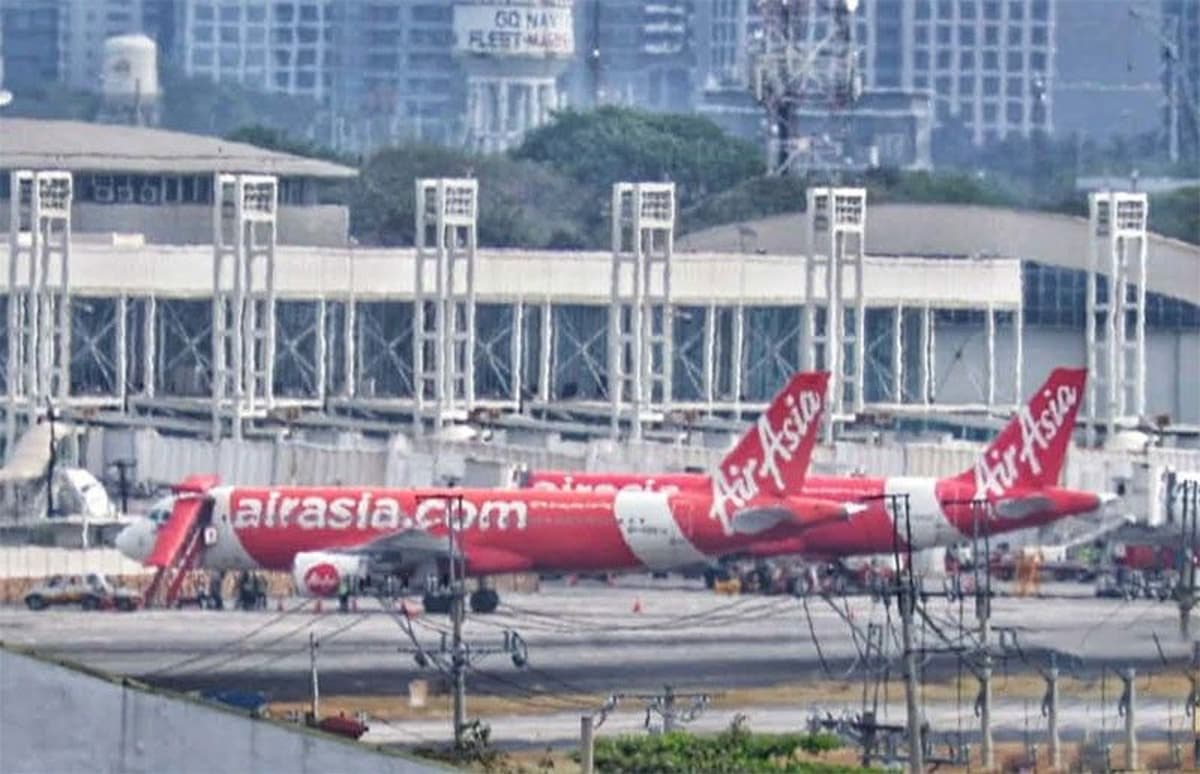
AirAsia Bringing First A220s to Philippines
Companies Mentioned
Why It Matters
Modernizing with the fuel‑efficient A220 reduces operating costs and expands route flexibility, sharpening AirAsia’s competitive edge in the Southeast Asian low‑cost market.
Key Takeaways
- •AirAsia Philippines to retire A320s, add A220s by 2028.
- •A220 seats up to 160, 3,450‑nm range, fits smaller airports.
- •Fleet average age 18 years, oldest among Philippine carriers.
- •New A220s enable experimental regional and domestic routes.
- •AirAsia cuts base fares 5% as jet fuel prices fall.
Pulse Analysis
The shift to Airbus’s A220 reflects a broader industry move toward more efficient single‑aisle jets. Compared with the older A320s, the A220 burns roughly 20% less fuel per seat and offers lower maintenance costs, a crucial advantage for low‑cost carriers operating thin margins. Its modern aerodynamics and Pratt & Whitney geared turbofan engines also deliver quieter cabin environments, aligning with stricter airport noise regulations across Asia. For AirAsia, the aircraft’s versatility promises a smoother transition from legacy planes while preserving the cost structure that underpins its ultra‑low‑fare model.
In the Philippines, AirAsia faces a unique set of challenges. Its current fleet, averaging 18 years, is the oldest among domestic rivals, limiting operational efficiency and increasing downtime. The A220’s ability to serve secondary airports opens opportunities to tap underserved city‑pair demand, especially in archipelagic regions where runway length constraints have historically restricted jet service. By expanding into these markets, AirAsia can capture tourism‑driven traffic and provide faster alternatives to existing turboprop services, potentially reshaping domestic connectivity and stimulating regional economic activity.
Beyond fleet renewal, AirAsia’s recent 5% fare reduction signals confidence in its cost base as global jet‑fuel prices retreat. However, the postponed Kuala Lumpur‑London launch underscores the volatility of long‑haul operations amid geopolitical tensions. The A220’s range of 3,450 nautical miles positions it for medium‑haul routes, but the carrier will likely prioritize short‑ to medium‑distance growth in Southeast Asia before re‑entering intercontinental markets. Overall, the A220 rollout equips AirAsia Philippines with a modern, flexible platform to drive network expansion, improve profitability, and stay ahead in a fiercely competitive low‑cost landscape.
AirAsia bringing first A220s to Philippines
Comments
Want to join the conversation?
Loading comments...