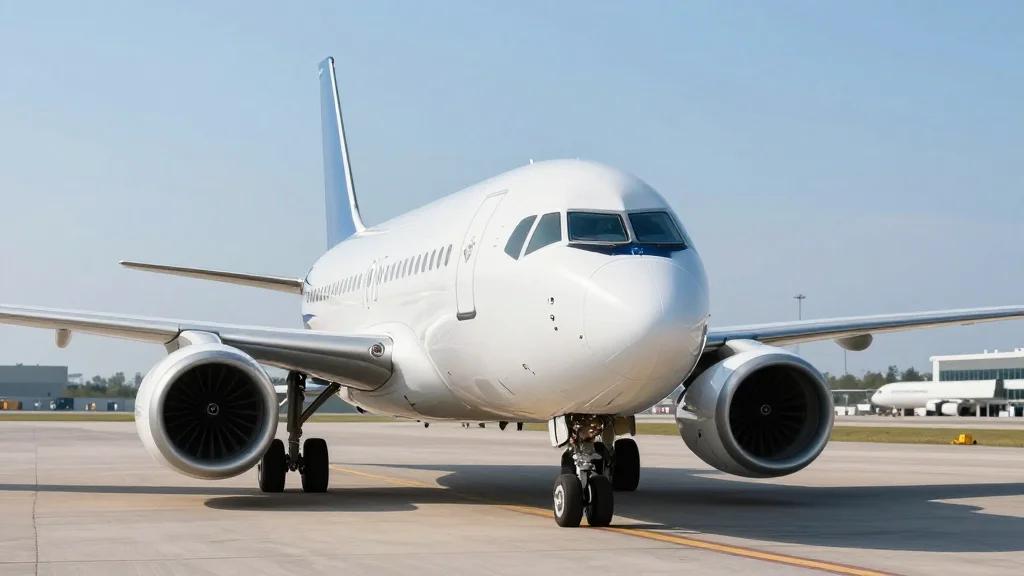
AirAsia Signs Multibillion‑dollar Deal for 150 Airbus A220‑300 Jets, Largest Single A220 Order

Companies Mentioned
Why It Matters
The AirAsia‑A220 deal reshapes the competitive dynamics of the Asian LCC segment, giving the carrier a modern, fuel‑efficient fleet that can open new point‑to‑point routes without the cost penalties of larger aircraft. For Airbus, the order validates the A220’s value proposition against the 737 MAX and strengthens the company’s foothold in a region that accounts for roughly one‑third of global passenger traffic. The contract also highlights Quebec’s role as a critical aerospace hub, reinforcing government investment in the sector and supporting thousands of jobs.
Key Takeaways
- •AirAsia orders 150 Airbus A220‑300 jets, the largest single A220 order ever
- •Deal valued at several billion U.S. dollars, pushing the A220 programme past 1,000 firm orders
- •New 160‑seat cabin configuration adds an extra over‑wing exit per side
- •Aircraft will serve ASEAN and Central Asian routes, freeing larger planes for longer hauls
- •A220 capable of up to 50% SAF now, with Airbus targeting 100% SAF by 2030
Pulse Analysis
AirAsia’s massive A220‑300 order is more than a fleet expansion; it is a strategic bet on the economics of the 100‑160 seat segment, a niche where the 737 MAX has struggled to gain traction due to its larger capacity and higher operating costs. By locking in a modern, low‑fuel‑burn platform, AirAsia can undercut rivals on price while maintaining profitability, a formula that has driven the LCC model in Europe and North America. The timing is critical: as Asian economies rebound from pandemic‑induced travel shocks, passenger demand is accelerating faster than infrastructure upgrades, creating a sweet spot for aircraft that can operate from secondary airports with limited runway length. The A220‑300’s range and runway performance fit that need perfectly.
From Airbus’s perspective, the order is a defensive and offensive maneuver. Defensively, it safeguards the A220’s market share against Boeing’s 737 MAX, which has faced production bottlenecks and regulatory scrutiny. Offensively, the deal diversifies Airbus’s revenue stream and deepens its relationship with a carrier that already operates Airbus A320 family jets. The multibillion‑dollar contract also sends a confidence signal to suppliers and financiers, potentially unlocking more favorable terms for future A220 development, such as next‑generation winglets or hybrid‑electric propulsion concepts. Moreover, the Quebec government’s public endorsement underscores the political capital tied to aerospace manufacturing, suggesting continued public‑private support for future projects.
Looking ahead, the real test will be how quickly AirAsia can integrate the A220‑300 into its network and whether the carrier can sustain the aggressive route expansion without overextending its balance sheet. If successful, the model could become a template for other Asian LCCs seeking to modernize fleets while keeping fares low, accelerating a shift away from older, less efficient aircraft and hastening the industry’s transition to sustainable fuels.
AirAsia signs multibillion‑dollar deal for 150 Airbus A220‑300 jets, largest single A220 order
Comments
Want to join the conversation?
Loading comments...