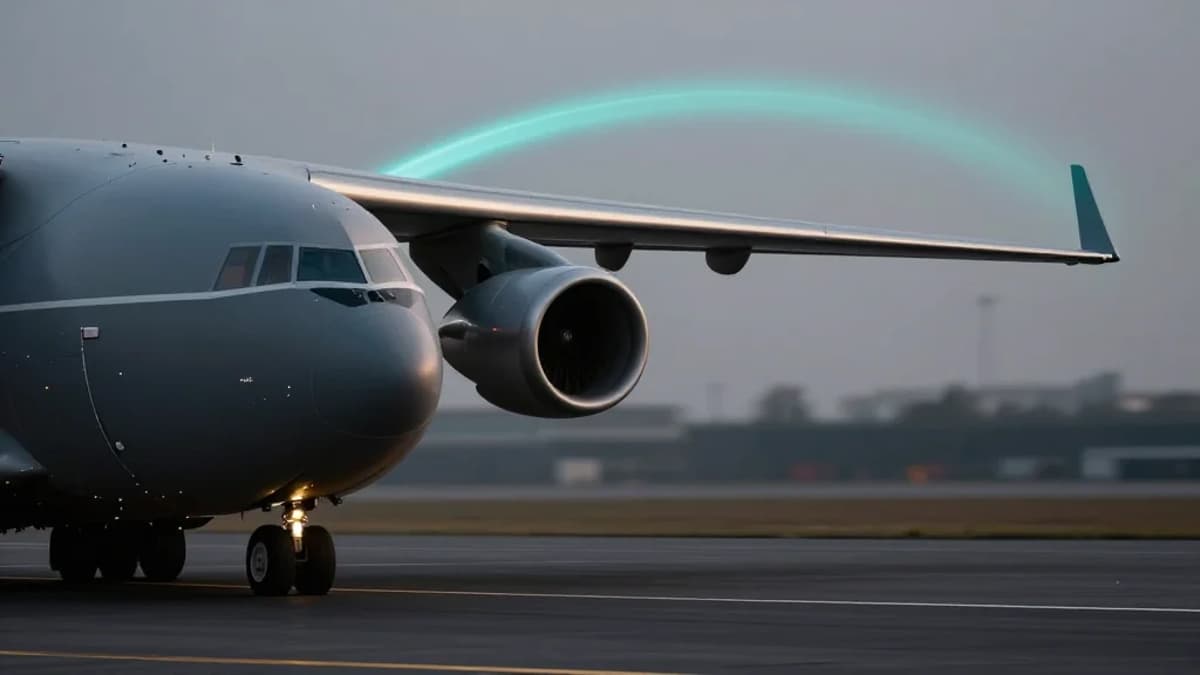
Airbus Allude to ‘Uncertainties’ in Future Orders of A400M
•February 20, 2026
0
Companies Mentioned
Why It Matters
The order outlook will dictate Airbus’s production line utilization and its competitive position against legacy transports like the C‑130 and emerging rivals such as the KC‑390, influencing European and Middle Eastern defence procurement strategies.
Key Takeaways
- •Airbus flags A400M order uncertainties in FY2025 results.
- •137 of 178 A400M units already delivered.
- •New roles include standoff jamming and 40‑ton payload.
- •Emirates partnership could shift 30‑40 builds to Gulf.
- •Europe eyes A400M to fill airlift capability gap.
Pulse Analysis
The A400M sits at a crossroads in the tactical‑strategic airlift market, a segment where marginal gains in fuel efficiency and payload can sway procurement decisions. Airbus’s FY2025 briefing underscored a classic transition phase: after fulfilling launch‑customer contracts, the programme now depends on a second wave of export orders to sustain its production line. While the aircraft remains fiscally stable, the lack of new contracts last year has prompted executives to flag a medium‑term demand lull, a signal that could reverberate through supplier networks and affect cash flow projections.
Beyond the immediate sales pipeline, Airbus is betting on capability upgrades to rejuvenate the A400M’s value proposition. Planned enhancements such as standoff electronic jamming, a 40‑tonne payload increase, and a “mother‑ship” configuration for unmanned aerial systems aim to differentiate the platform from legacy rivals like the C‑130 and newer entrants such as Embraer’s KC‑390. A strategic partnership with Emirati firms to assemble 30‑40 aircraft in the Gulf could also lower production costs and open a new regional market, reinforcing Airbus’s foothold in the Middle East and North Africa while diversifying its supply chain.
European defence planners are watching the A400M closely as the EU grapples with a looming airlift capability gap. The European Defence Agency’s proposal for a Civilian Reserve Air Fleet highlights the continent’s reliance on versatile transport assets, and officials have signaled a need for additional A400Ms to bridge shortfalls. However, timing remains critical; the transition from current deliveries to a sustained second‑wave production hinges on securing export campaigns and navigating geopolitical uncertainties. Airbus’s optimism about the medium‑term outlook reflects confidence in the aircraft’s performance envelope, yet the company must balance production scaling with market realities to avoid excess capacity.
Airbus allude to ‘uncertainties’ in future orders of A400M
0
Comments
Want to join the conversation?
Loading comments...