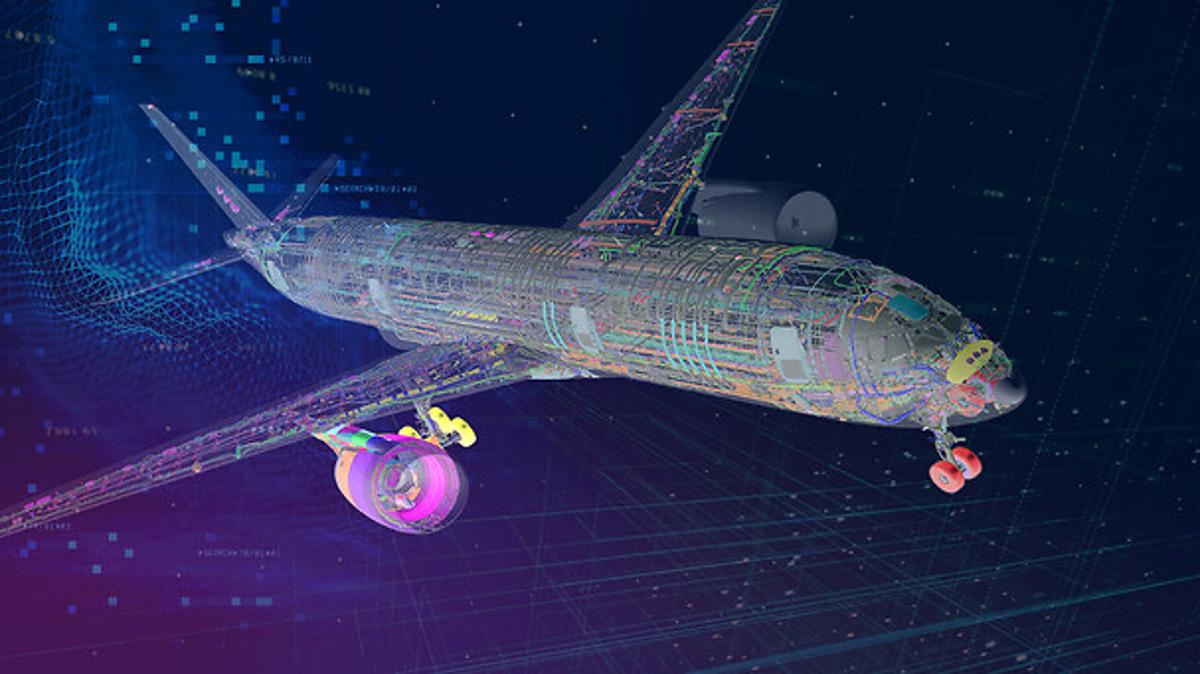
Airbus at ILA: Ten Breakthrough Exhibits Redefining Aerospace
Companies Mentioned
Why It Matters
Airbus’s innovations accelerate the aerospace sector’s shift to sustainable, cost‑effective operations, giving it a competitive edge as regulators and airlines demand lower emissions and higher efficiency.
Key Takeaways
- •3D‑printed titanium latch 45% lighter, now on A350.
- •Foldable wing tips enable longer wings without gate modifications.
- •Hydrogen fuel‑cell mockup demonstrates route to carbon‑neutral flight.
- •Quantum navigation provides spoof‑resistant, high‑accuracy positioning.
- •CabinMarker robot automates seat placement, boosting operator safety.
Pulse Analysis
Airbus’s material breakthroughs at ILA underscore a broader industry push for weight reduction and circularity. By consolidating complex structures into single‑piece resin‑transfer‑molded fuselage frames and deploying 3D‑printed titanium components, the manufacturer cuts raw‑material waste and trims fuel burn. The recycled titanium cylinder and carbon‑fiber rotor hub illustrate how reclaimed alloys and thermoplastics can slash CO₂ emissions across the aircraft life cycle, aligning with airlines’ sustainability targets and tightening emissions regulations.
On the propulsion front, Airbus is betting on hydrogen and quantum technologies to future‑proof flight. The ZEROe fuel‑cell mockup signals a tangible step toward near‑zero‑carbon operations, provided renewable hydrogen scales economically. Complementary quantum navigation promises immunity to GPS spoofing, enhancing safety for next‑generation air traffic systems. Meanwhile, AI‑driven glasses that track pilot eye movements feed digital twins, sharpening training simulations and reducing costly flight‑hour expenditures. These digital layers create a feedback loop that accelerates design iteration and operational resilience.
The human factory innovations reveal how robotics and digital twins are reshaping aircraft assembly. The CabinMarker robot eliminates repetitive, ergonomically taxing tasks, improving worker health while tightening tolerances on seat installation. Airbus’s digital‑twin platform mirrors physical processes in real time, allowing engineers to test fuel‑cell architectures or wing‑tip mechanisms virtually before committing to metal. This convergence of simulation, AI and automation shortens time‑to‑market, lowers labor costs, and positions Airbus as a leader in the emerging smart‑manufacturing ecosystem.
Airbus at ILA: Ten breakthrough exhibits redefining aerospace
Comments
Want to join the conversation?
Loading comments...