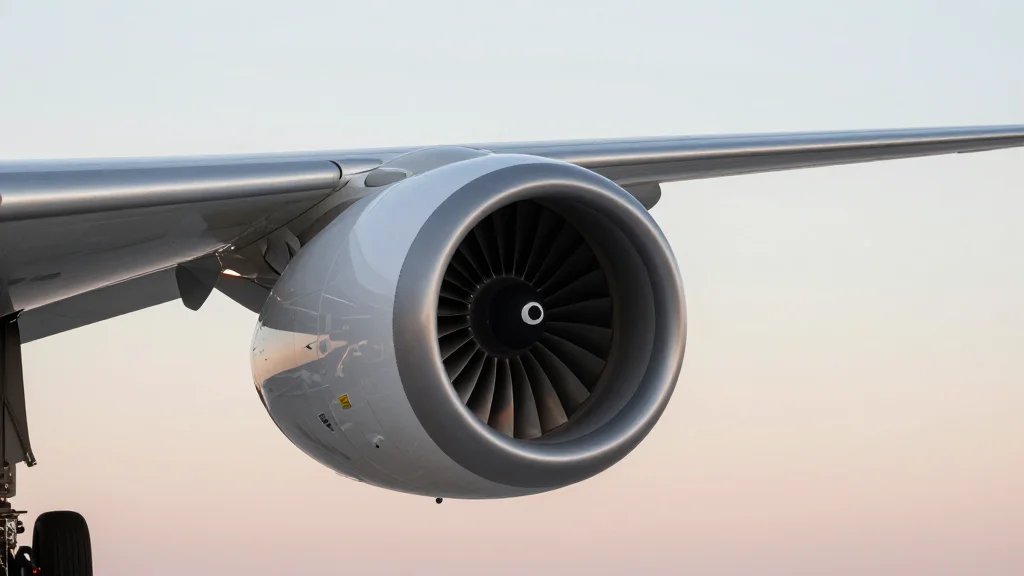
Airbus Delivers First A321XLR for Air Canada
Why It Matters
The A321XLR expands Air Canada’s network reach while delivering significant fuel‑efficiency and emissions gains, sharpening its competitive edge on both domestic and intercontinental routes. Its introduction signals a broader industry shift toward versatile, long‑range narrow‑bodies that can serve secondary markets profitably.
Key Takeaways
- •Air Canada receives first of 30 A321XLRs, first in Canada
- •A321XLR offers 4,700 nm range, enabling nonstop transatlantic routes
- •Fuel burn per seat drops 30% versus previous‑generation rivals
- •Cabin includes 14 Signature Class flat seats and 168 economy seats
- •Aircraft can operate with up to 50% SAF, targeting 100% by 2030
Pulse Analysis
Airbus’s A321XLR represents a strategic evolution of the A320neo family, delivering unprecedented range and efficiency for airlines seeking to stretch the capabilities of narrow‑body aircraft. By offering up to 4,700 nautical miles of nonstop flight, the model fills a niche between traditional short‑haul jets and wide‑body long‑haul planes, allowing carriers like Air Canada to open new point‑to‑point routes without the cost and complexity of larger aircraft. The aircraft’s Pratt & Whitney geared turbofan engines, combined with advanced aerodynamics, cut seat‑kilometer fuel consumption by roughly 30%, translating into lower operating costs and a smaller carbon footprint.
For Air Canada, the first A321XLR bolsters a fleet renewal strategy that already includes 136 Airbus jets and a pipeline of 61 additional aircraft. The twin‑cabin configuration, featuring 14 Signature Class flat seats and a spacious economy cabin, targets premium travelers on transcontinental and transatlantic services while maintaining high seat density for cost‑effective operations. The extended range enables nonstop connections from Toronto and Montreal to European secondary cities such as Berlin, Toulouse, and Edinburgh, enhancing network flexibility and capturing demand that previously required hub‑and‑spoke routing.
The broader market impact is significant. As airlines worldwide grapple with rising fuel prices and sustainability mandates, the A321XLR’s ability to run on up to 50% sustainable aviation fuel—and Airbus’s goal of 100% SAF compatibility by 2030—positions it as a low‑emission workhorse. Competitors are accelerating their own long‑range narrow‑body programs, but Airbus’s early mover advantage and strong order backlog—over 500 units as of March 2026—suggest the A321XLR will shape route planning and fleet composition for the next decade. Operators that adopt the type can expect improved economics, expanded market reach, and a clearer path toward greener aviation.
Airbus delivers first A321XLR for Air Canada
Comments
Want to join the conversation?
Loading comments...