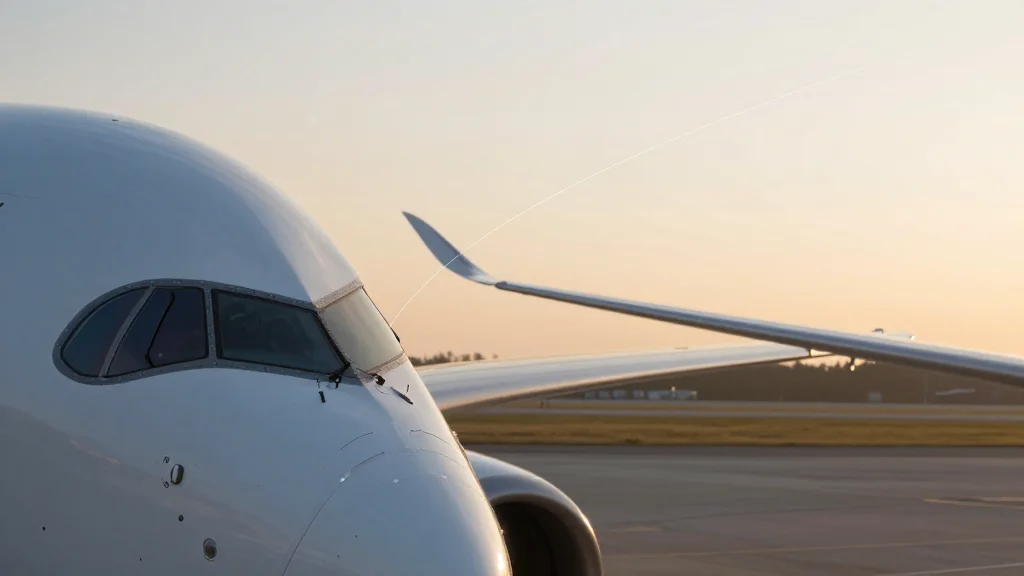
Airbus Nears $5‑Billion Widebody Deal with SAS for 15‑20 A330neo/A350 Jets

Companies Mentioned
Why It Matters
The pending SAS‑Airbus contract underscores a broader shift in European aviation toward newer, more fuel‑efficient widebodies as airlines seek to restore profitability and meet tightening carbon‑emission targets. By adding A330neo and A350 jets, SAS can open longer routes, improve load factors and lower per‑seat operating costs, which could translate into more competitive fares and expanded market reach. For Airbus, securing a high‑profile European carrier bolsters its order book at a time when the company is competing fiercely with Boeing for market share in the lucrative long‑haul segment. The transaction also highlights the strategic importance of delivery timing. Early‑next‑decade slots give SAS a runway to align new capacity with anticipated post‑pandemic travel rebounds, while providing Airbus with a steady production cadence that helps smooth out the supply‑chain disruptions that have plagued the industry over the past two years.
Key Takeaways
- •Airbus close to signing a 15‑20 aircraft widebody order with SAS
- •Order mix includes Airbus A330neo and A350 models
- •Deal expected to be finalized within weeks, deliveries slated for early 2030s
- •Estimated list‑price value between $4 billion and $6 billion
- •Order strengthens Airbus’s European market position and modernises SAS’s fleet
Pulse Analysis
Airbus’s near‑deal with SAS is more than a single contract; it signals a resurgence of confidence among legacy carriers that the long‑haul market is stabilising after years of volatility. The airline’s choice to blend A330neo and A350 aircraft reflects a nuanced strategy: the A330neo offers a lower‑cost entry point for medium‑range routes, while the A350 provides the range and capacity needed for trans‑Atlantic and Asia‑Pacific services. This hybrid approach allows SAS to diversify its network without over‑committing to a single aircraft family, a lesson learned from the over‑concentration risks that plagued some carriers during the pandemic.
From a competitive standpoint, the order could tilt the balance in Europe’s widebody market. Boeing has struggled to keep its 787 production line fully utilised, and recent quality‑control setbacks have eroded confidence among some airlines. Airbus, by contrast, has maintained a relatively smooth production flow for its neo and A350 families, positioning itself as the more reliable partner for carriers seeking timely deliveries. If the SAS deal closes as expected, it may encourage other European airlines—such as Lufthansa and Air France—to accelerate their own fleet renewal programs, potentially shifting the market share dynamics in Airbus’s favour.
Looking ahead, the timing of deliveries aligns with a projected surge in international travel as global vaccination rates rise and business travel rebounds. SAS’s expanded long‑haul capability could capture a share of the pent‑up demand for direct flights between Scandinavia and major hubs in North America and Asia. Moreover, the environmental benefits of newer aircraft could help SAS meet EU emissions regulations, positioning the airline as a sustainability leader in the region. In sum, the pending order is a bellwether for both Airbus’s growth trajectory and the broader recovery of European long‑haul aviation.
Airbus Nears $5‑Billion Widebody Deal with SAS for 15‑20 A330neo/A350 Jets
Comments
Want to join the conversation?
Loading comments...