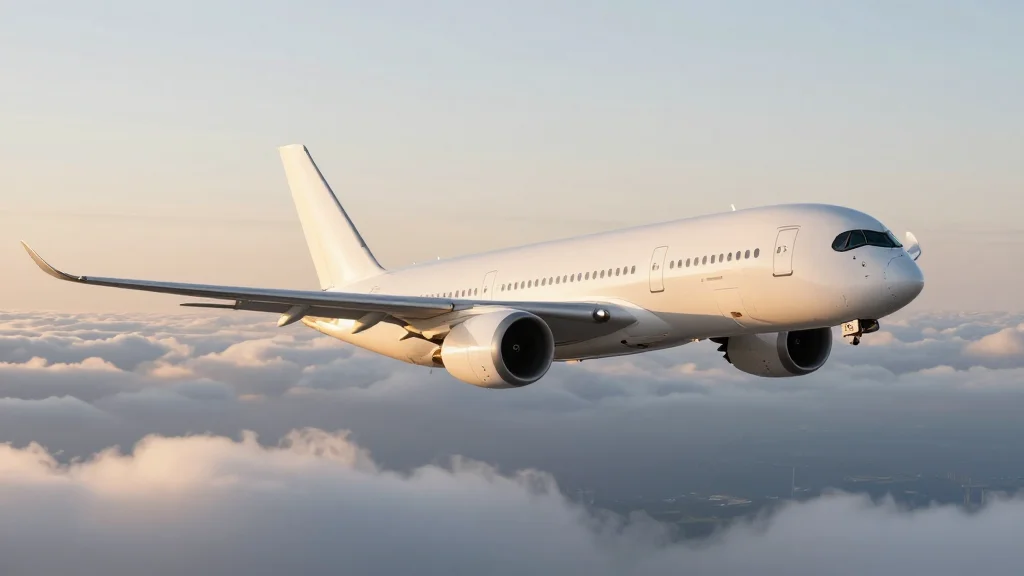
Airbus Tests Passenger Plane that Can Fly 22 Hours Non-Stop
Companies Mentioned
Why It Matters
The A350‑1000ULR gives airlines a viable option for ultra‑long‑haul routes, opening new nonstop city pairs and enhancing premium revenue potential while testing the limits of fuel‑efficient, long‑duration flight operations.
Key Takeaways
- •Airbus A350‑1000ULR completed first 3h43m test flight.
- •Extra fuel tank extends range to 18,500 km, 22‑hour endurance.
- •Qantas ordered 12 units, first delivery slated for April 2027.
- •Non‑stop Sydney‑London route could cut travel time by ~2 hours.
- •Certification tests will run two months before commercial entry.
Pulse Analysis
The A350‑1000ULR represents Airbus’s latest push into ultra‑long‑range aviation, building on the proven A350 family but adding a dedicated fuel tank and reinforced structures to support a 22‑hour, 18,500‑kilometre envelope. Unlike earlier variants, the ULR model integrates advanced wing‑tip devices and a higher‑capacity auxiliary power unit to manage the extended cruise phase while maintaining fuel efficiency. The June 2 test flight, lasting three hours and forty‑three minutes at 12,500 metres, validated the aircraft’s flight‑control software and the new instrumentation required for certification.
Qantas’s order for twelve A350‑1000ULRs is a strategic bet on reconnecting the Australian market with Europe without a stopover. A nonstop Sydney‑London service would shave roughly two hours off the current best‑in‑class 18‑hour flights, offering a premium product for business travelers and potentially reshaping demand on the trans‑Pacific corridor. The airline had hoped to launch the route in 2025, but the revised April 2027 delivery schedule reflects the rigorous certification timeline and supply‑chain constraints that accompany new aircraft programs.
The emergence of ultra‑long‑range jets signals a shift toward point‑to‑point networks, challenging the hub‑and‑spoke model that has dominated legacy carriers. Operators can capture new city‑pair markets, reduce ground‑handling costs, and improve aircraft utilisation, though they must balance higher fuel burn per seat against premium yields. Environmental regulators will scrutinise the carbon footprint of 22‑hour flights, prompting manufacturers to invest in lightweight composites and more efficient engines. As Airbus moves toward certification, the industry will watch whether the A350‑1000ULR can deliver on its promise of seamless, ultra‑long journeys.
Airbus tests passenger plane that can fly 22 hours non-stop
Comments
Want to join the conversation?
Loading comments...