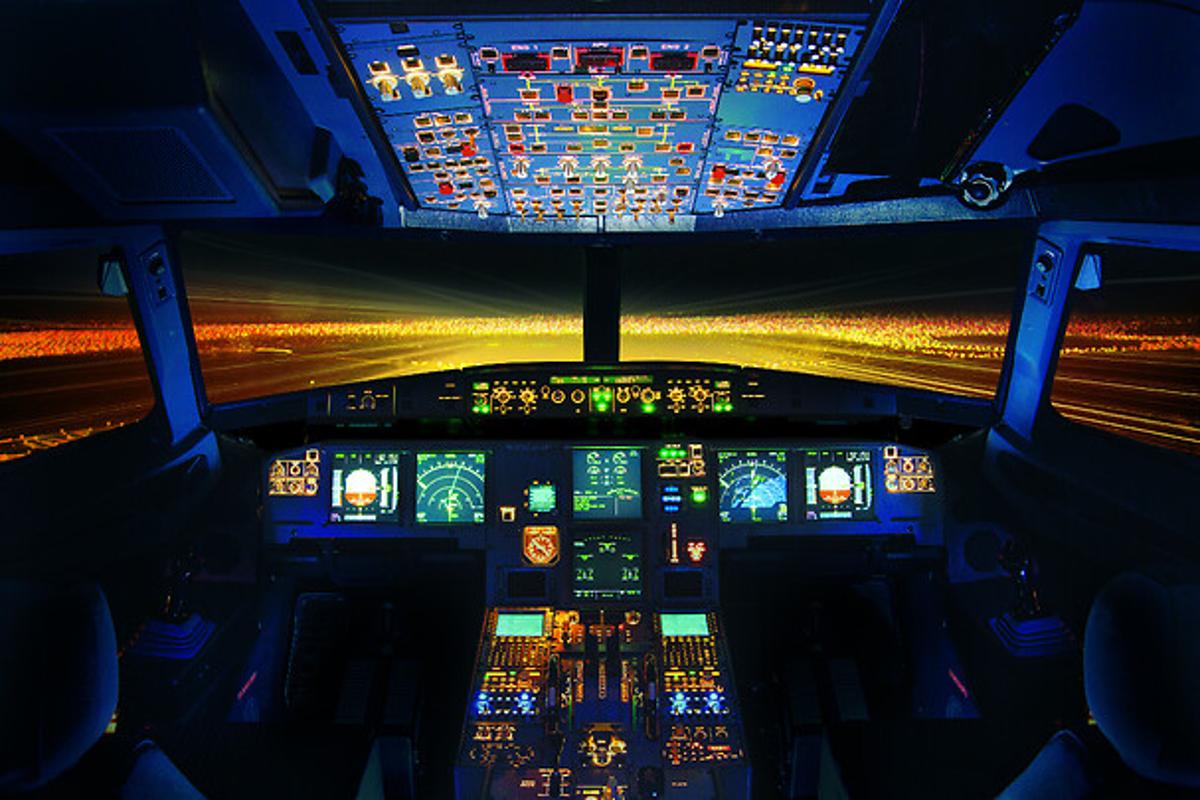
Airbus to Upgrade JetBlue A320 Fleet with Advanced Cockpit Displays
Companies Mentioned
Why It Matters
The EEIS2 retrofit boosts JetBlue’s operational safety and efficiency while cementing Airbus’s role as a leading provider of in‑service avionics upgrades for U.S. airlines.
Key Takeaways
- •46 JetBlue A320s receive Thales‑built EEIS2 high‑resolution cockpit displays.
- •EEIS2 improves pilot visual interface and supports future avionics upgrades.
- •Upgrade aligns with FAA roadmap for advanced landing and weather systems.
- •Strengthens Airbus’ OEM service footprint in North America’s airline market.
Pulse Analysis
JetBlue’s decision to equip 46 A320s with Airbus‑installed EEIS2 displays reflects a broader industry push toward extending the life of existing fleets through technology. Rather than purchasing new aircraft, airlines are increasingly retrofitting proven airframes with modern avionics to cut capital costs while meeting rising passenger expectations for reliability and comfort. The EEIS2 system, supplied by Thales, swaps out analog gauges for high‑definition LCD panels, giving pilots richer situational awareness and reducing cockpit clutter—a critical advantage in today’s congested airspace.
From a technical standpoint, EEIS2 serves as a gateway to next‑generation capabilities outlined in the FAA’s evolving roadmap. The high‑resolution displays can integrate satellite‑based landing aids, enhanced weather radar feeds, and future software‑defined functions without extensive hardware overhauls. This modularity not only future‑proofs the aircraft but also simplifies maintenance cycles, as software updates can be rolled out across the fleet with minimal downtime. For JetBlue, the upgrade aligns with its JetForward strategy, emphasizing operational efficiency, safety, and a smoother passenger experience.
Strategically, the partnership underscores Airbus’s ambition to dominate the aftermarket services market in North America. By offering OEM‑level upgrades like EEIS2, Airbus differentiates itself from competitors that focus primarily on new‑plane sales. The move also signals to other U.S. carriers that modernizing legacy fleets is a viable path to meeting regulatory and performance benchmarks. As airlines grapple with rising fuel costs and tighter environmental mandates, such avionics enhancements become a cost‑effective lever for improving fuel burn, on‑time performance, and overall fleet resilience.
Airbus to upgrade JetBlue A320 fleet with advanced cockpit displays
Comments
Want to join the conversation?
Loading comments...