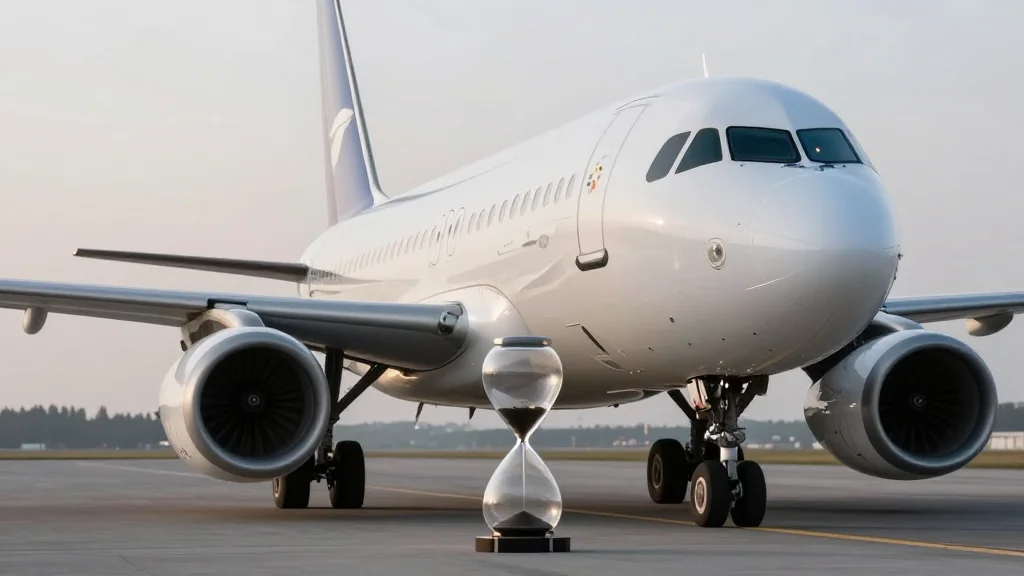
Airbus Warns of A320neo Delivery Delays Into 2027‑2028, Pushing Back Schedules by Months

Companies Mentioned
Why It Matters
The postponement of A321neo deliveries strikes at the heart of airlines' capacity expansion plans, especially for carriers targeting rapid growth in high‑traffic routes. With the Asia‑Pacific market projected to absorb nearly half of all new passenger aircraft over the next two decades, any disruption to the supply of efficient narrow‑body jets could reshape fleet composition strategies and accelerate the search for alternative suppliers or technologies. Moreover, the delay underscores systemic supply‑chain vulnerabilities that could affect the broader aerospace ecosystem, from engine manufacturers to component suppliers, potentially influencing pricing and investment decisions across the sector. For investors and policymakers, the news serves as a reminder that even well‑established programs are not immune to external shocks. Monitoring how Airbus and its rivals navigate these constraints will be critical for forecasting industry earnings, assessing the health of the global aviation market, and guiding regulatory responses aimed at bolstering supply‑chain resilience.
Key Takeaways
- •Airbus informs customers of A320neo delivery delays into 2027‑2028, affecting the A321neo most.
- •Delays are described as a few months, not a full program halt.
- •Asia‑Pacific aircraft demand projected to grow 5.2% CAGR, reaching $138.7 billion by 2044.
- •Region expected to need 19,560 new passenger jets, 46% of global demand.
- •Supply‑chain constraints could push airlines toward alternative aircraft or technologies.
Pulse Analysis
Airbus’s notification of delivery delays arrives at a pivotal moment when airlines are racing to lock in capacity for a post‑pandemic boom. Historically, narrow‑body jets like the A321neo have been the workhorses of low‑cost carriers and legacy airlines alike, offering a blend of range and seat‑mile efficiency that underpins profitability on short‑haul routes. A multi‑month slip‑over erodes that advantage, forcing carriers to either keep older, less fuel‑efficient aircraft in service longer or to seek costly lease extensions. Both options compress margins and could accelerate the shift toward newer, more flexible platforms.
From a competitive standpoint, Boeing’s own production challenges—particularly with the 737 MAX—mean that Airbus retains a relative edge in the narrow‑body market. However, the delay narrows that lead, giving rivals a window to capture orders from airlines seeking certainty. The situation also revives interest in emerging players like COMAC and Embraer, which are positioning their own narrow‑body offerings as viable alternatives. In the longer term, the supply‑chain fragility highlighted by this delay may catalyze a strategic pivot toward modular manufacturing and diversified supplier bases, trends already gaining traction in the aerospace sector.
Investors should watch Airbus’s forthcoming detailed delivery schedule and any accompanying mitigation measures, such as accelerated component sourcing or production line upgrades. The company’s ability to contain the delay within a narrow window will be a key metric for assessing its operational resilience. Meanwhile, airlines’ responses—whether through fleet reshuffling, lease market activity, or accelerated adoption of next‑gen aircraft—will shape the competitive dynamics of the commercial aviation market for the next decade.
Airbus warns of A320neo delivery delays into 2027‑2028, pushing back schedules by months
Comments
Want to join the conversation?
Loading comments...