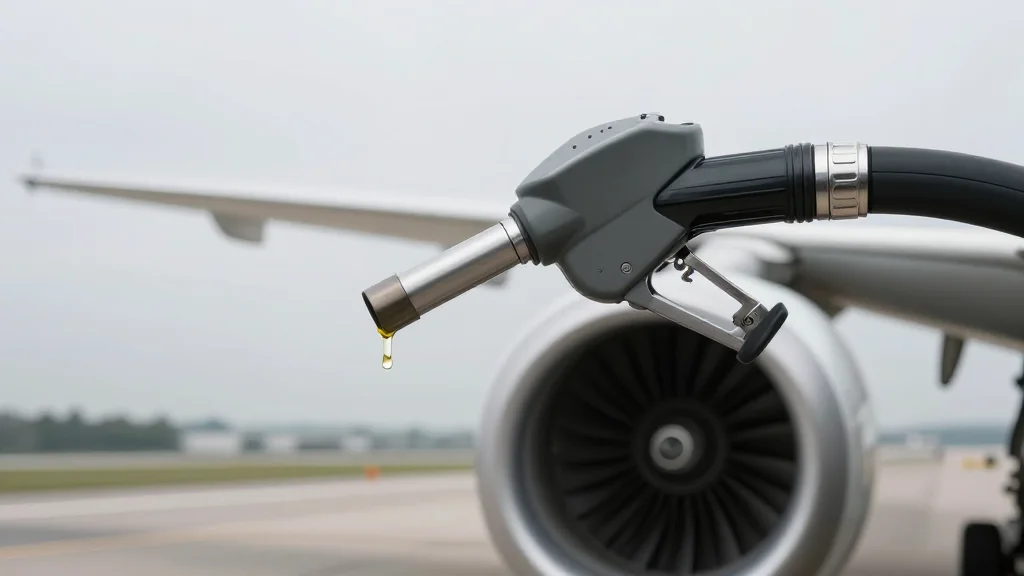
Airline Profits Halved as Fuel Costs Surge, IATA Warns of More Cuts

Companies Mentioned
Why It Matters
The halving of airline profits signals a systemic vulnerability in the aviation sector: fuel costs, which are largely external and volatile, can quickly erode profitability even when passenger demand remains robust. This dynamic pressures airlines to accelerate investments in sustainable aviation fuel and other low‑carbon technologies, reshaping fleet renewal strategies and influencing capital allocation across the industry. For aerospace manufacturers, the profit squeeze could translate into delayed orders for new, more fuel‑efficient aircraft, as airlines prioritize cash preservation over fleet expansion. Conversely, the heightened focus on fuel efficiency may boost demand for next‑generation engines and lightweight materials, creating a paradoxical market where short‑term order books shrink while long‑term technology adoption accelerates.
Key Takeaways
- •IATA projects 2026 airline net profit at $23 bn, down 49 % from 2025.
- •Net margins fall to 2 % from 4.2 % as jet fuel averages $156 per barrel.
- •Jet fuel price rose from $96/barrel (Nov 2025) to $188/barrel (Apr 2026), now stabilising near $156.
- •India launches a Rs 10,000 crore (~$1.2 bn) ATF price‑stabilisation fund for domestic carriers.
- •SAF production expected to reach 2.4 million tonnes, only 0.8 % of global jet fuel use.
Pulse Analysis
The current profit contraction is a textbook case of cost‑push inflation in a capital‑intensive industry. Historically, airlines have weathered fuel spikes by hedging, but the scale of the recent surge—more than a 60 percent jump in barrel price—has outstripped most hedging strategies. The result is a direct hit to cash flow, forcing carriers to trim capacity, defer aircraft deliveries, and in extreme cases, file for bankruptcy, as seen with Spirit Airlines.
In the longer view, the crisis could accelerate the transition to sustainable aviation fuel and electric propulsion. The IATA’s own data shows SAF will still account for less than 1 percent of fuel use in 2026, but the pressure to diversify fuel sources is mounting. Governments that can provide price‑stabilisation mechanisms—like India’s $1.2 bn ATF fund—may gain a competitive edge in retaining airline connectivity and encouraging domestic production of SAF.
From a market perspective, the profit dip will likely depress airline stock valuations in the near term, but it also creates a buying opportunity for investors who anticipate a rebound once fuel prices stabilise or alternative fuels gain market share. Aircraft manufacturers may see a short‑term slowdown in orders for fuel‑guzzling models, but demand for next‑generation, high‑bypass ratio engines and composite‑rich airframes could remain resilient as airlines seek to lock in lower operating costs for the next decade.
Overall, the fuel shock underscores the strategic importance of energy security in aviation. Without coordinated policy action and accelerated technology adoption, the sector risks repeated earnings volatility whenever geopolitical events disrupt oil supply chains.
Airline profits halved as fuel costs surge, IATA warns of more cuts
Comments
Want to join the conversation?
Loading comments...