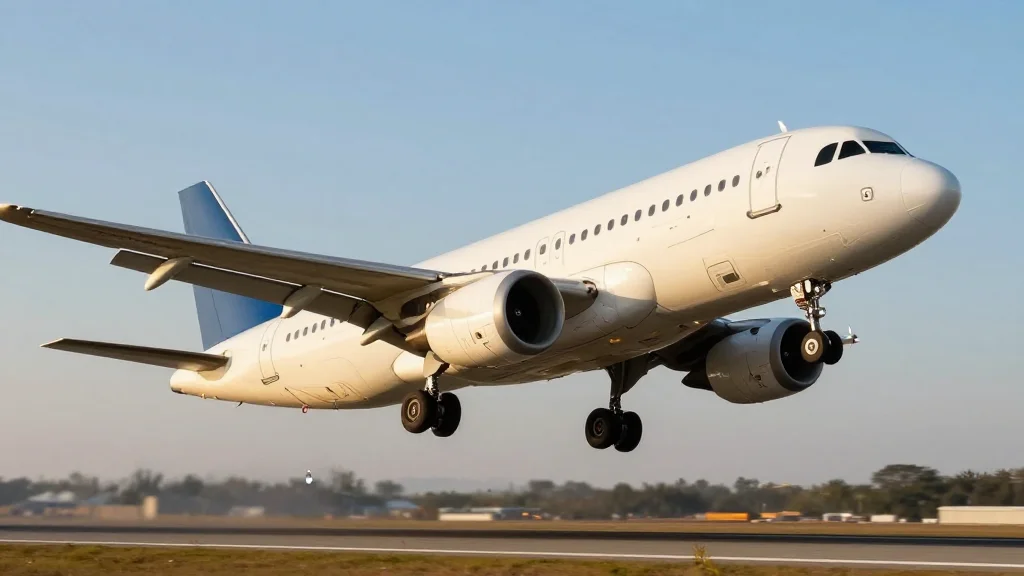
Alaska Air Shares Jump 13% as Oil Prices Fall, While Global Carriers Grapple with Jet Fuel Surge

Companies Mentioned

Why It Matters
The Alaska Air rally underscores how quickly airline valuations can rebound when a single input—jet fuel—fluctuates. For investors, the episode highlights the importance of monitoring geopolitical developments that drive oil markets, as even a brief cease‑fire can translate into multi‑digit stock moves. For airlines, the broader fuel‑cost crisis forces a re‑evaluation of pricing structures, network planning and operational efficiency. The surge in surcharges and flight cuts across continents signals a shift toward cost‑pass‑through models that could erode demand elasticity, especially in price‑sensitive leisure segments. In the longer term, the industry’s response—AI‑driven maintenance, tighter capacity management, and strategic mergers like Alaska‑Hawaiian—reflects a push to build resilience against energy volatility. As fuel remains a quarter of operating expenses, carriers that can decouple performance from fuel price swings will gain a competitive edge, while those that rely on frequent fare hikes risk alienating price‑sensitive travelers and facing regulatory scrutiny.
Key Takeaways
- •Alaska Air shares rose 12.9% to $46.49 after oil prices fell, easing jet‑fuel cost pressure
- •Jet fuel prices have jumped from $85‑$90 to $150‑$200 per barrel in weeks, prompting fare hikes and flight cuts globally
- •Air France‑KLM added €50 ($58) to long‑haul tickets; Cathay Pacific raised fuel surcharges by 34%
- •Ajay Kumar Kapur of AAI warned that fog in northern India causes early‑morning delays, compounding operational strain
- •Alaska’s AI maintenance partnership with Tailsight aims to cut aircraft‑on‑ground time and improve labor efficiency
Pulse Analysis
Alaska Air’s stock surge is a textbook case of how external macro‑factors can dominate airline fundamentals. The carrier’s underlying cost structure—still burdened by a $400 million synergy target from its Hawaiian merger—remains vulnerable, but the immediate market reaction shows investors are willing to reward any sign of margin relief. This volatility is unlikely to be a one‑off; the Middle East conflict has demonstrated that geopolitical shocks can swing jet‑fuel costs by more than 100% in a matter of weeks. Airlines that have diversified fuel‑hedging strategies or that can quickly pass costs to passengers will weather the storm better than those relying on static pricing.
The broader industry response—fare increases, capacity cuts, and new surcharges—signals a shift from the pre‑pandemic growth mindset to a defensive posture. While legacy carriers can absorb some price elasticity, low‑cost operators risk losing market share if they cannot match the revenue uplift of legacy airlines. Moreover, the operational challenges highlighted by AAI’s Kapur, such as fog‑induced delays, illustrate that airlines must invest in both fuel‑cost mitigation and air‑traffic‑management technologies to maintain reliability.
Looking ahead, the convergence of AI‑driven maintenance, strategic mergers, and aggressive hedging will likely define the next competitive frontier. Carriers that can integrate predictive analytics to reduce AOG events will not only cut costs but also improve on‑time performance—a critical differentiator as passengers become less tolerant of delays. In this environment, Alaska Air’s partnership with Tailsight could serve as a bellwether: if the AI platform delivers measurable savings, other airlines will scramble to adopt similar solutions, potentially reshaping the cost structure of the entire sector.
Alaska Air Shares Jump 13% as Oil Prices Fall, While Global Carriers Grapple with Jet Fuel Surge
Comments
Want to join the conversation?
Loading comments...