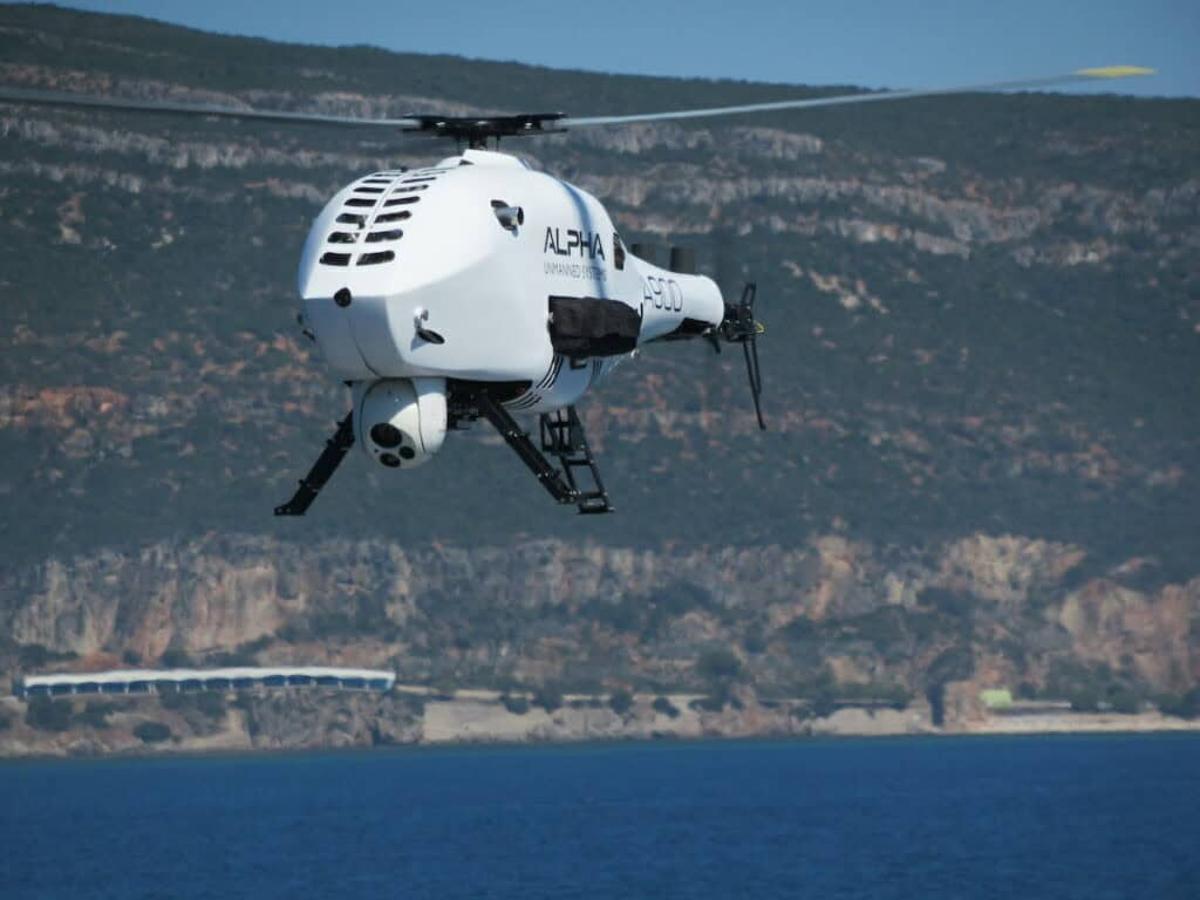
Alpha Unmanned & Parallel Flight Partnership Targets Long-Endurance Heavy-Lift UAV Operations Using Heavy Fuel
•February 12, 2026
0
Why It Matters
Heavy‑fuel UAVs reduce logistical strain and extend mission endurance, a critical advantage for high‑tempo naval and expeditionary operations. The collaboration accelerates fielding of hybrid aircraft that can carry substantial payloads without relying on scarce electric power sources.
Key Takeaways
- •Firefly to run on heavy fuel, extending endurance
- •Payload capacity up to 100 lb with hybrid propulsion
- •Ten‑times endurance versus all‑electric UAVs
- •Matches existing military fuel logistics, reducing supply burden
- •Boosts naval, expeditionary flexibility for heavy‑lift missions
Pulse Analysis
The defense sector has long grappled with the trade‑off between endurance and payload for unmanned aircraft. Traditional electric UAVs excel in stealth but fall short on mission duration, especially when operating from austere forward bases. Heavy‑fuel propulsion, common in manned helicopters, offers a proven solution that taps into existing fuel supply chains, eliminating the need for specialized batteries or generators. As global militaries prioritize persistent surveillance and rapid logistics, the demand for UAVs that can stay aloft for days while carrying meaningful payloads is surging.
Alpha Unmanned Systems brings over a decade of heavy‑fuel helicopter UAV expertise to Parallel Flight’s Firefly platform, which already features a patented Parallel Hybrid Electric Multirotor (PHEM) system. By integrating a heavy‑fuel engine with the hybrid architecture, the aircraft can sustain 2 kW of continuous in‑flight power and lift up to 100 lb, delivering endurance estimates up to ten times that of all‑electric counterparts. The collaboration, supported by the Office of Naval Research, also benefits from a robust patent portfolio and backing from agencies such as DIU, NASA, and NSF, ensuring the technology meets stringent military standards.
For naval and expeditionary forces, the ability to field a portable, heavy‑lift UAV that runs on JP‑5 or JP‑8 simplifies logistics and enhances operational tempo. The Firefly’s truck‑loadable design means rapid deployment in remote theaters, while its heavy‑fuel compatibility aligns with ship‑board and forward‑operating‑base fuel stores. This partnership not only shortens the development cycle for hybrid UAVs but also signals a broader industry shift toward versatile, fuel‑flexible unmanned systems that can support everything from cargo resupply to electronic warfare payloads, reshaping the future of autonomous defense operations.
Alpha Unmanned & Parallel Flight Partnership Targets Long-Endurance Heavy-Lift UAV Operations Using Heavy Fuel
0
Comments
Want to join the conversation?
Loading comments...