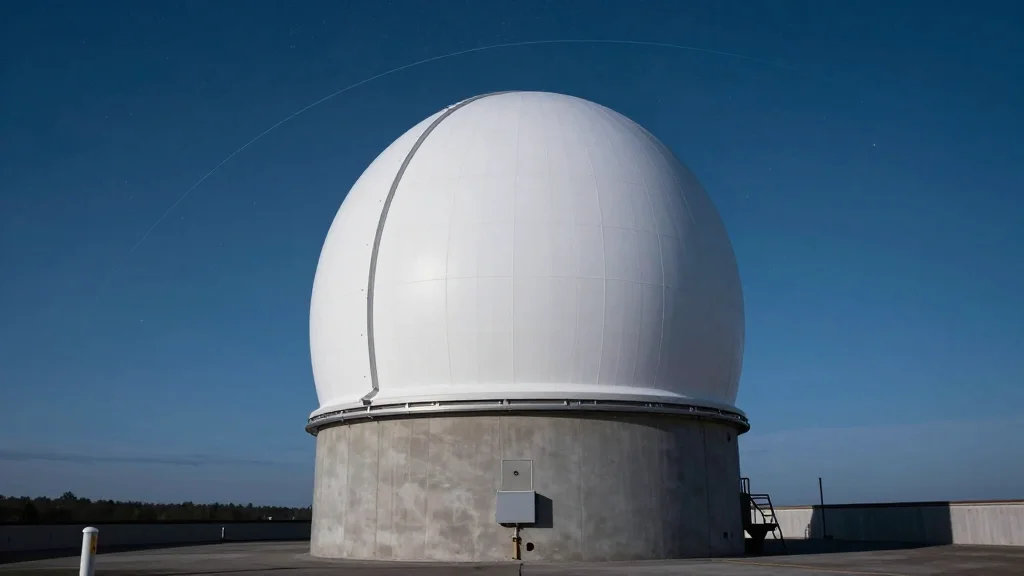
America's Most Exposed Power Projection Platforms: Why United States Space Force Installations Must Be Treated as Warfighting Infrastructure
Why It Matters
If Space Force installations are compromised, the United States loses real‑time space effects that underpin joint targeting, deterrence, and overall warfighting across all domains.
Key Takeaways
- •Space Force bases act as continuous global combat nodes, not rear‑area depots
- •Aging power, cooling, and fiber systems create single points of failure
- •Adversaries target terrestrial infrastructure with cyber, EM, and physical attacks
- •Resilience pillars: micro‑grids, hardened facilities, integrated cyber defense, personnel care
Pulse Analysis
The United States Space Force operates on an "employed‑in‑place" model, meaning its combat squadrons launch effects from permanent installations rather than forward‑deployed units. This paradigm shift makes each base a strategic node that sustains missile warning, satellite communications, navigation warfare, and command‑and‑control 24/7. Unlike traditional bases that support a specific campaign, a Space Force installation is the campaign itself; any disruption instantly ripples through joint warfighting, blunting kill chains and eroding deterrence.
However, the infrastructure that underpins these missions is aging and built for peacetime efficiency, not contested resilience. Reliance on municipal power grids, single‑feed cooling systems, and unprotected fiber‑optic lines leaves bases vulnerable to power outages, HVAC failures, and deliberate sabotage. Cyber‑physical attacks compound the risk, as adversaries like China and Russia increasingly target the "soft underbelly" of space power—ground antennas, data centers, and energy supplies. Recent incidents of unplanned outages and cut fiber lines illustrate how quickly mission capability can collapse when core utilities falter.
Policymakers and defense leaders must reclassify Space Force installations as forward warfighting infrastructure and fund them accordingly. Priorities include deploying micro‑grid and nuclear micro‑reactor solutions for energy independence, hardening physical and cyber assets with redundant pathways, and integrating AI‑driven security operations. Equally critical is sustaining the personnel who operate and maintain these sites, ensuring staffing levels, housing, and health resources match the constant combat posture. By embedding resilience into base design and budgeting, the United States can protect its space dominance and keep the global kill chain intact.
America's most exposed power projection platforms: Why United States Space Force installations must be treated as warfighting infrastructure
Comments
Want to join the conversation?
Loading comments...