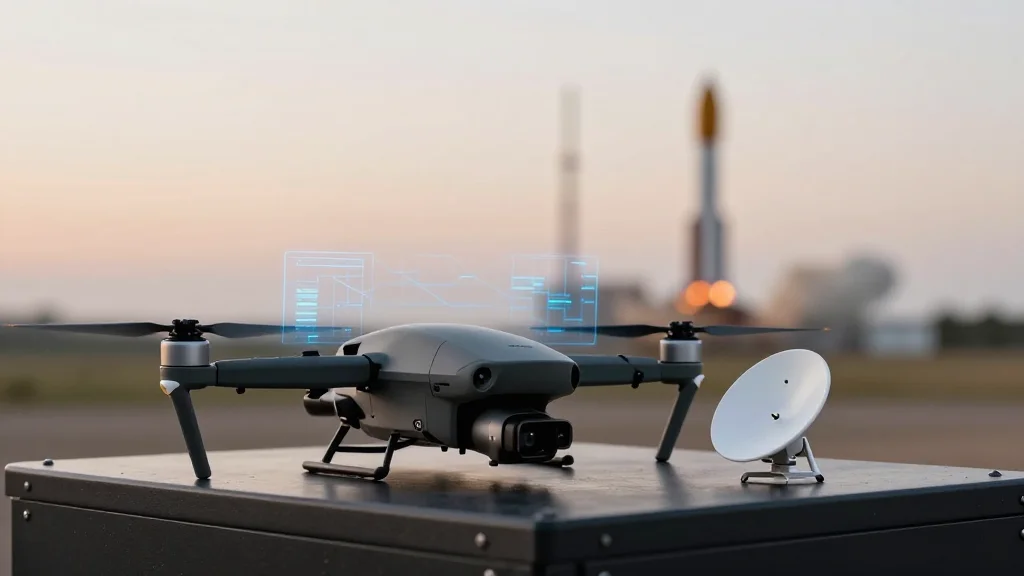
Anduril, Palantir and SpaceX Are Changing How America Wages War
Why It Matters
Shifting to autonomous, data‑rich systems reduces combat spend and accelerates decision cycles, reshaping the defense industrial base. The move signals a lasting pivot toward commercial tech partnerships for national security.
Key Takeaways
- •Anduril’s Lattice AI platform tracks drones at fraction of legacy cost
- •Palantir supplies data integration tools for real‑time battlefield decisions
- •SpaceX’s Starlink delivers resilient communications to forward units
- •Pentagon shifts budget toward autonomous, software‑centric systems
- •Cheap Iranian drones force adoption of low‑cost kill solutions
Pulse Analysis
The recent Iran‑drone skirmishes exposed a glaring inefficiency: the United States was expending $1 million missiles to destroy $50,000 UAVs. That cost disparity prompted senior Pentagon officials, including former Silicon Valley executive Emil Michael, to reevaluate the economics of conventional weaponry. The lesson is clear—future conflicts will demand cheaper, faster, and more adaptable solutions that can neutralize swarms of inexpensive drones without draining the defense budget.
Enter the trio of commercial innovators reshaping the battlefield. Anduril’s Lattice platform leverages edge AI and sensor fusion to spot, track, and engage hostile drones using low‑cost interceptors, dramatically cutting per‑engagement expenses. Palantir’s Foundry for Defense stitches together disparate intelligence streams—satellite imagery, SIGINT, and logistics data—into a single, actionable picture, enabling commanders to make rapid, data‑driven decisions. Meanwhile, SpaceX’s Starlink constellation provides ubiquitous, low‑latency connectivity, ensuring that forward-deployed units remain linked to command centers even in contested environments. Together, these technologies form a synergistic ecosystem that replaces legacy hardware with software‑centric capabilities.
The broader implication is a structural shift in U.S. defense procurement. By embracing commercial‑grade AI, cloud analytics, and satellite internet, the Department of Defense is signaling a long‑term move away from monolithic, high‑cost platforms toward modular, upgradable solutions sourced from the private sector. This not only promises fiscal savings but also accelerates innovation cycles, as startups can iterate faster than traditional defense contractors. As other nations observe the U.S. pivot, the competitive landscape for military technology is set to become increasingly dominated by agile, data‑driven firms.
Anduril, Palantir and SpaceX are changing how America wages war
Comments
Want to join the conversation?
Loading comments...