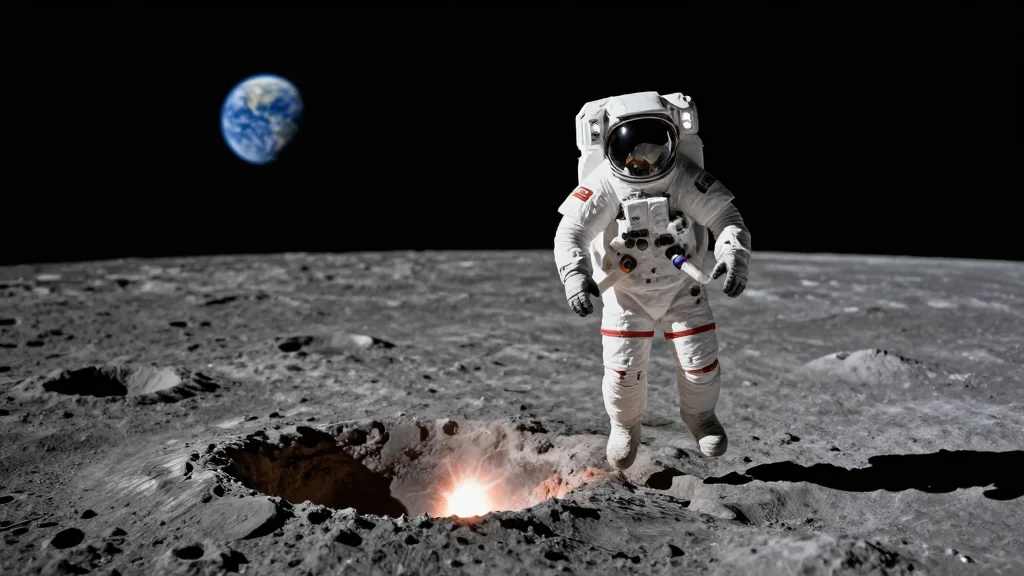
Artemis II Crew Eyes Meteoroid Impact Flashes
Companies Mentioned

NASA
Why It Matters
Direct astronaut observations provide unique data on meteoroid impacts that automated systems miss, enhancing lunar hazard assessments for upcoming crewed missions.
Key Takeaways
- •Artemis II crew reported visual meteoroid flashes on Moon’s far side
- •31 Orion cameras captured mission angles but missed rapid impact flashes
- •NASA archiving Artemis II data to Planetary Data System for researchers
- •Human observation fills gaps where automated imaging cannot detect transient events
- •Impact flash data improves lunar meteoroid environment models for future missions
Pulse Analysis
The Artemis II mission marked the first crewed test flight to circle the Moon since Apollo, and its astronauts played an unexpected role as real‑time observers of meteoroid impacts. While the Orion capsule was equipped with 31 high‑resolution cameras to record every facet of the journey, the fleeting nature of impact flashes—lasting fractions of a second—proved too fast for even the most advanced sensors. Astronauts, positioned on the far side of the Moon, were able to spot these brief glints with the naked eye, underscoring the enduring advantage of human perception in space science.
Meteoroid impact flash data is a rare window into the flux of tiny space debris striking the lunar surface. By cataloguing the frequency, brightness, and distribution of these events, scientists can refine models of the Moon’s impact environment, which in turn informs risk assessments for future habitats, landers, and surface operations. NASA’s decision to archive Artemis II observations in the Planetary Data System ensures that researchers worldwide can cross‑reference these flashes with existing datasets, enhancing the statistical robustness of lunar impact studies and supporting planetary protection protocols.
Looking ahead, the insights gained from Artemis II will shape the design of instrumentation for Artemis III and beyond. Engineers may integrate faster‑shutter cameras, dedicated flash detectors, or even wearable observation protocols for crew members to capture transient phenomena more reliably. By blending human vigilance with next‑generation sensors, NASA aims to build a comprehensive picture of the lunar environment, ultimately safeguarding crew safety and expanding scientific return on the Artemis program.
Artemis II Crew Eyes Meteoroid Impact Flashes
Comments
Want to join the conversation?
Loading comments...