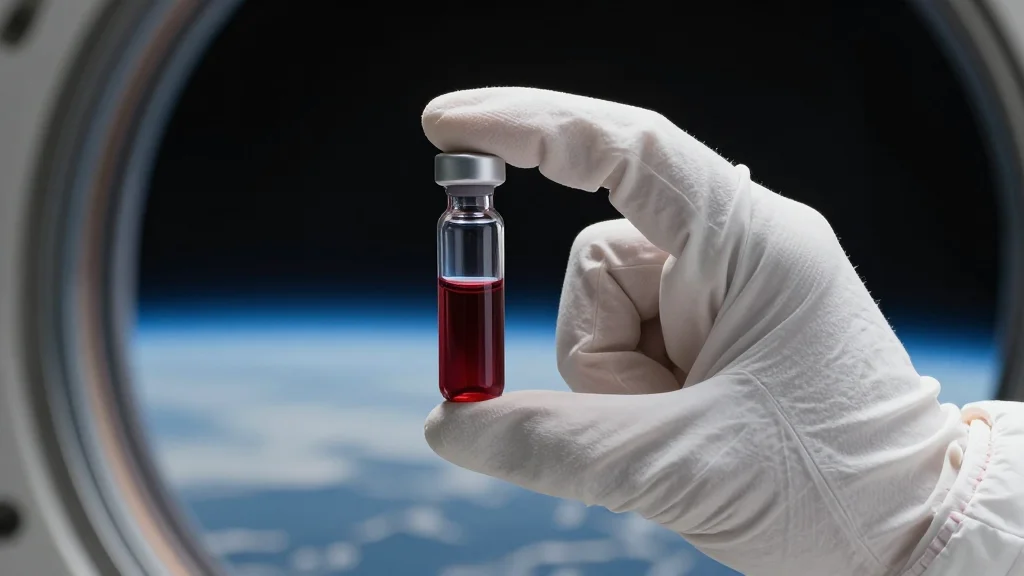
Artemis II Moon Mission Research Continues on Earth
Why It Matters
The data will shape crew‑health protocols and operational timelines for future Moon and Mars missions, reducing risk and enhancing mission efficiency. Publicly available lunar observations accelerate scientific collaboration and technology development across the aerospace sector.
Key Takeaways
- •Artemis II crew completed lunar‑gravity suit tasks within days of splashdown
- •NASA gathered blood, saliva, and motor‑control data for health baseline
- •AVATAR organ chips are being sequenced to study radiation effects
- •Over 11,500 images and 100 audio files will be archived publicly
Pulse Analysis
The Artemis II flight marked a pivotal step in NASA’s deep‑space agenda, but the mission’s true value lies in the flood of postflight data now streaming from Johnson Space Center. Within hours of splashdown, astronauts underwent the Spaceflight Standard Measures protocol, capturing vital signs, eye health, and motor‑control metrics that establish a baseline for how the human body rebounds from microgravity. These early measurements, combined with obstacle‑course performance in suits off‑loaded to one‑sixth Earth gravity, give engineers concrete timelines for when crews can safely conduct surface operations on the Moon or Mars.
Beyond physiological monitoring, NASA’s AVATAR organ‑on‑a‑chip program is turning astronaut‑derived tissue models into a molecular window on spaceflight hazards. By comparing bone‑marrow chips that orbited the Moon with ground controls using single‑cell RNA sequencing, researchers can pinpoint radiation‑induced gene expression changes and immune dysregulation. The insights promise personalized medical kits for future crews, where organ chips could be sent ahead of missions to forecast individual health risks and guide countermeasure development, accelerating the transition to sustainable lunar habitats.
The mission’s scientific payload also includes an unprecedented trove of visual and auditory data. More than 11,500 images and roughly 100 audio recordings captured during Orion’s lunar flyby will be curated in NASA’s Planetary Data System, ensuring open‑access for researchers worldwide. This archive not only supports detailed studies of impact flashes, surface coloration, and fault morphology but also serves as a benchmark for planning subsequent Artemis expeditions. By democratizing the data, NASA fosters cross‑disciplinary collaboration that can spur innovations in remote sensing, autonomous navigation, and planetary geology, reinforcing the agency’s broader goal of an enduring human presence beyond Earth.
Artemis II moon mission research continues on Earth
Comments
Want to join the conversation?
Loading comments...