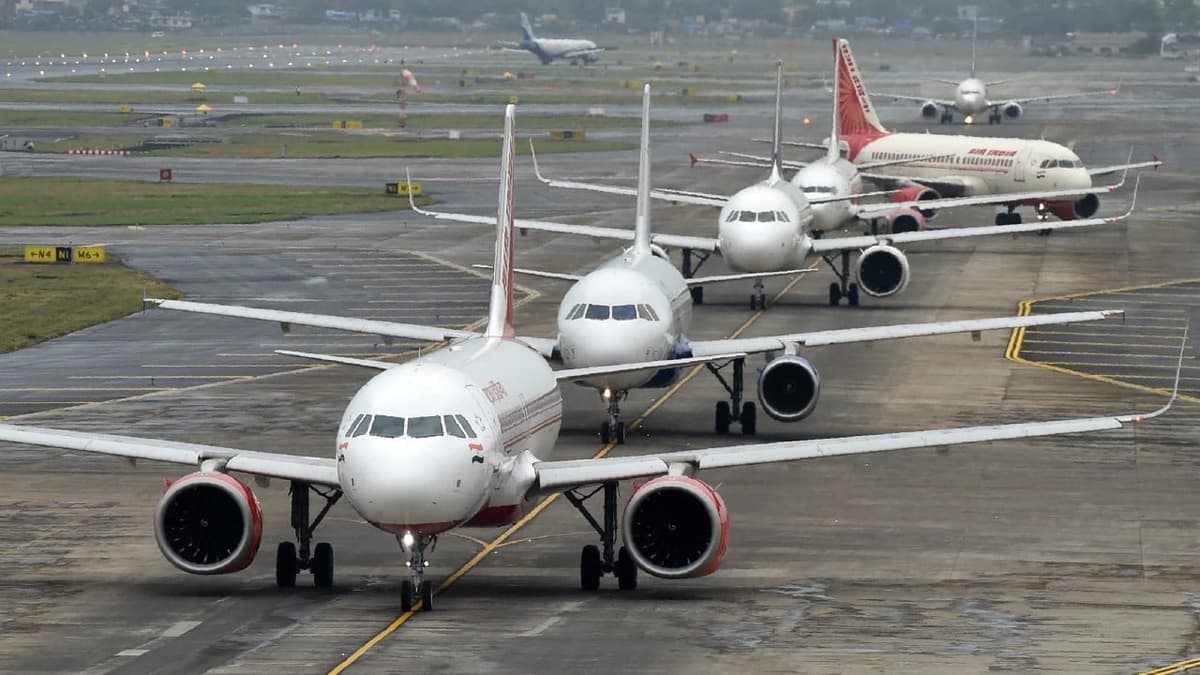
Asian Airlines Face ‘Major Headwind’ From Jet Fuel Costs, Forcing Flight Changes
Companies Mentioned
Why It Matters
Rising jet‑fuel costs threaten airline profitability and could curtail capacity on short‑haul routes, impacting travel demand and broader economic activity in fuel‑dependent Asian markets.
Key Takeaways
- •Jet fuel cost share rose from 25% to 45% of airline expenses.
- •Asian carriers cut short‑haul flights, consolidating routes to preserve yields.
- •Low‑cost airlines consider grounding planes if jet fuel becomes unaffordable.
- •Fare hikes of up to 15% hit demand, especially on long‑haul routes.
Pulse Analysis
The escalation of the Iran conflict has sent Asian jet‑fuel benchmarks soaring, with Singapore’s price peaking at US$242 per barrel in late March before easing to $193.53 on April 8. This spike has more than doubled the fuel cost component of airline budgets in weeks, a shock amplified by the region’s heavy reliance on Middle‑East crude—China, India, Japan and South Korea together consume three‑quarters of those supplies. Unlike many Western carriers, most Asian airlines lack robust hedging programs, leaving them exposed to volatile spot prices and forcing immediate cost‑containment measures.
In response, airlines are reshaping their networks. Legacy carriers such as Cathay Pacific and its low‑cost arm HK Express have announced flight cancellations from May through June, while Asiana Airlines entered emergency management, trimming non‑essential services. Low‑cost operators are consolidating multiple short‑haul flights into single, higher‑load‑factor services and even contemplating grounding aircraft if fuel becomes unaffordable. Simultaneously, fare increases of up to 15%—plus fuel surcharges of 12% on international routes—are being levied, particularly in markets like India, to offset the margin squeeze. These pricing moves risk dampening demand, especially among price‑sensitive leisure travelers.
The broader economic fallout could be significant. Oxford Economics warns that tight supplies of jet fuel, marine fuel and petrochemical feedstocks constitute a major headwind for Asia’s growth outlook, with tourism‑dependent economies most at risk. Capacity reductions on short‑haul routes may limit connectivity within the region, potentially slowing the recovery of domestic travel markets. Airlines are now prioritising high‑yield, long‑haul services and deploying their most fuel‑efficient aircraft to mitigate exposure. The situation underscores the strategic importance of fuel‑hedging and diversified supply chains for Asian carriers navigating geopolitical volatility.
Asian airlines face ‘major headwind’ from jet fuel costs, forcing flight changes
Comments
Want to join the conversation?
Loading comments...