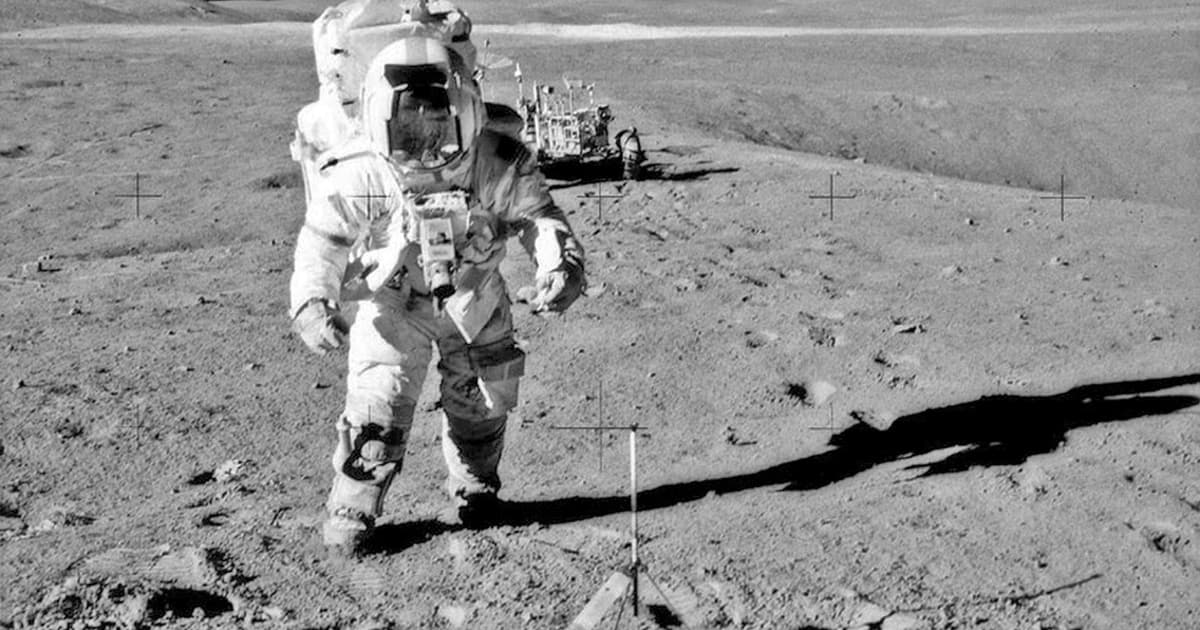
Astronauts Who Walked on the Moon Reported that the Dust Tracked Back Into the Lunar Module Smelled Like Spent Gunpowder, and More than Fifty Years Later Scientists Still Cannot Fully Explain Why, Though the Leading Theory Involves Regolith that Had Sat Undisturbed in Vacuum for Four Billion Years Suddenly Meeting Oxygen and Moisture Inside the Cabin for the First Time.
Companies Mentioned

NASA
Why It Matters
The chemistry behind the lunar dust odor reveals how highly reactive regolith can affect air quality, equipment, and astronaut health, making it a critical factor for Artemis and commercial lunar operations. Understanding and mitigating these reactions is essential for safe, long‑duration surface missions.
Key Takeaways
- •Apollo crews described lunar dust odor as spent gunpowder.
- •Dangling chemical bonds in regolith react with cabin air moisture.
- •NASA stores samples in nitrogen to prevent the odor‑producing reaction.
- •Reactive dust poses health and equipment risks for Artemis missions.
- •Understanding dust chemistry is critical for long‑duration lunar habitation.
Pulse Analysis
The first humans to walk on the Moon were the only ones to experience the uncanny smell of lunar dust inside a pressurised cabin. Their accounts—ranging from "spent gunpowder" to "burnt charcoal"—have become a curious footnote in space history, yet the underlying chemistry remains a puzzle. Decades of analysis point to the sudden exposure of ancient, vacuum‑preserved regolith to oxygen and moisture, triggering rapid bond‑reformation that releases volatile compounds sensed by the nose. While the exact molecular pathways are still debated, the prevailing "dangling‑bonds" hypothesis offers a plausible explanation that aligns with the unique formation of lunar soil.
Lunar regolith is a product of billions of years of micrometeoroid impacts, leaving particles with fractured crystal lattices and unsatisfied electron bonds. On Earth, these reactive sites would instantly neutralise in the presence of air, but the Moon’s airless environment preserves them. When the Apollo crews re‑entered the module, the introduced cabin atmosphere supplied the missing oxygen and water vapor, prompting a cascade of surface reactions. NASA’s strict curation—storing samples in nitrogen‑purged cabinets—prevents the same process from occurring in laboratories, which is why the odor cannot be reproduced on the ground. Alternative theories, such as solar‑wind‑implanted compounds or nanophase iron oxidation, add nuance but lack the comprehensive support of the dangling‑bond model.
For today’s Artemis program and emerging commercial lunar ventures, the smell is less a novelty than a warning sign. The same reactive chemistry that produces the gunpowder scent also makes lunar dust abrasive, electrostatically clingy, and potentially toxic when inhaled. Engineers must design suits, habitats, and filtration systems that can handle these particles without compromising crew health or mission hardware. Ongoing research into dust mitigation—ranging from electrostatic dust‑repellent coatings to advanced air‑scrubbing technologies—will be pivotal in turning short‑term excursions into sustainable lunar presence. Understanding the dust’s chemistry is therefore not just academic; it is a prerequisite for the next era of lunar exploration.
Astronauts who walked on the moon reported that the dust tracked back into the lunar module smelled like spent gunpowder, and more than fifty years later scientists still cannot fully explain why, though the leading theory involves regolith that had sat undisturbed in vacuum for four billion years suddenly meeting oxygen and moisture inside the cabin for the first time.
Comments
Want to join the conversation?
Loading comments...