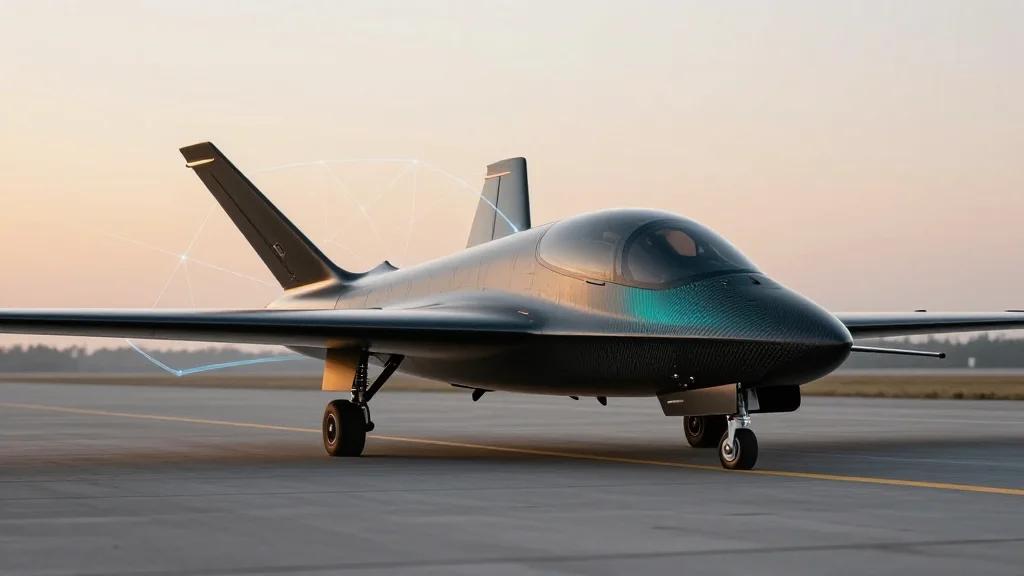
At DBF, Aerospace Engineering Students Explore Best Uses of AI
Why It Matters
The event highlights how AI is becoming a standard research aid in aerospace education, yet underscores the need for policies that preserve critical‑thinking and ensure graduates are AI‑savvy without over‑relying on it.
Key Takeaways
- •BRVINC won AIAA DBF using AI‑assisted early design research.
- •Most teams used LLMs for research, not for final design work.
- •Judges scan reports for AI‑generated content to enforce plagiarism rules.
- •Industry leaders warn AI lacks originality and critical‑thinking development.
- •AI familiarity becoming a required skill for graduating aerospace engineers.
Pulse Analysis
The AIAA Design/Build/Fly contest serves as a microcosm of how artificial intelligence is infiltrating aerospace curricula. Teams leveraged large language models to parse technical literature, generate quick concept sketches, and run preliminary performance calculations, accelerating the early phases of aircraft design. This AI‑driven research layer allowed students to explore a broader solution space within tight timelines, yet the competition’s strict plagiarism safeguards forced them to translate insights into original engineering work, preserving the integrity of the design process.
Industry stakeholders attending the event voiced a cautious optimism. Executives from Cirrus and Textron noted that while AI can automate routine analyses, it has yet to produce truly novel aerodynamic concepts. Their concern centers on the potential erosion of critical‑thinking skills if students become dependent on generative tools for report writing. Consequently, universities are drafting AI usage policies and integrating ethics modules to balance technological fluency with foundational engineering judgment.
Looking ahead, the aerospace sector anticipates tighter integration of AI with computer‑aided design platforms, aiming to streamline iterative testing and reduce manual workload. However, the consensus remains that AI will function as an augmentative assistant rather than a design author. Educational programs are therefore reshaping curricula to embed AI literacy—teaching students how to prompt models effectively, validate outputs, and maintain accountability. This evolution promises a workforce capable of harnessing AI’s efficiency while preserving the creative problem‑solving that drives aerospace innovation.
At DBF, aerospace engineering students explore best uses of AI
Comments
Want to join the conversation?
Loading comments...