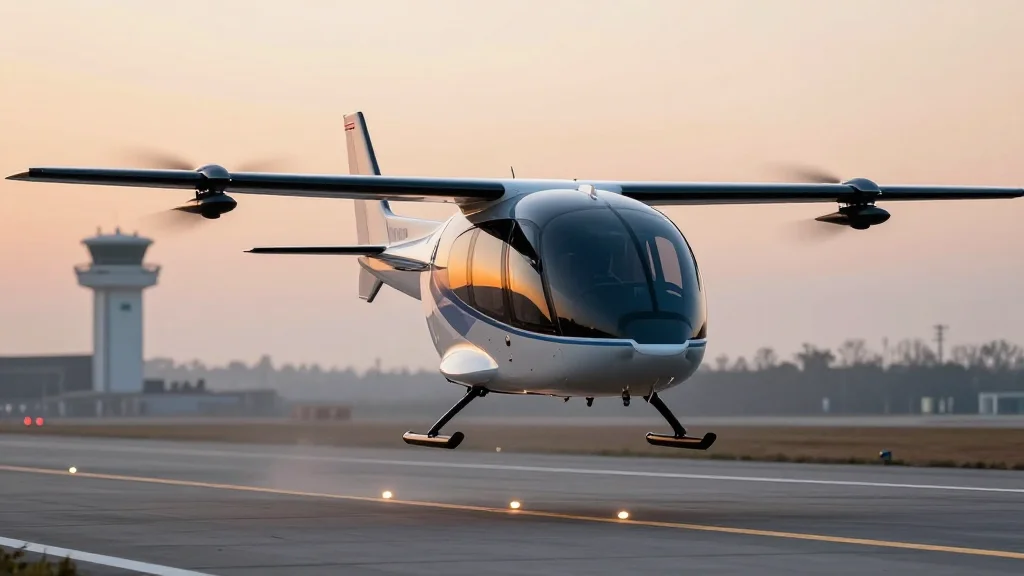
Autonomous Air Taxi Certification Emerges as New Regulatory Frontier
Why It Matters
Autonomous certification will determine how quickly air‑taxis can scale, influencing investment, infrastructure and public trust in urban air mobility.
Key Takeaways
- •FAA mandates extensive testing for all VTOL air taxis
- •Wisk Aero's Generation 6 aims for fully autonomous flight
- •Regulators lack precedent for autonomous aircraft certification
- •Industry competition intensifies as autonomy becomes differentiator
- •Safety data will drive public acceptance of air taxis
Pulse Analysis
Regulatory bodies are now confronting a technology gap that traditional aircraft certification processes were never designed to address. The FAA’s new testing gauntlet for VTOL vehicles reflects concerns over flight stability, noise, and emergency handling, but the introduction of autonomy adds layers of software verification, cybersecurity, and machine‑learning reliability. By demanding comprehensive data packages, the agency aims to create a safety baseline that can be replicated across manufacturers, ensuring that autonomous air taxis meet the same rigorous standards as conventional aircraft.
Wisk Aero’s Generation 6 exemplifies the next evolutionary step in urban air mobility. By eliminating the pilot cockpit, the design reduces weight, lowers maintenance costs, and promises smoother passenger experiences. However, autonomous flight introduces challenges such as real‑time sensor fusion, redundancy in decision‑making algorithms, and the need for robust air‑traffic‑management integration. The company’s partnership with the FAA on test flights will generate critical performance metrics, shaping the certification framework for all future autonomous VTOLs.
The market implications are profound. If regulators approve autonomous air taxis, operators could achieve higher utilization rates and lower operating expenses, accelerating route expansion in congested cities. Investors are watching the certification timeline closely, as a green light could unlock billions in funding for infrastructure, vertiports, and fleet procurement. Conversely, delays or stringent requirements could stall the industry’s growth, giving an edge to firms that prioritize incremental, pilot‑assisted models. Ultimately, the success of autonomous certification will dictate the pace at which urban air mobility becomes a mainstream transportation option.
Autonomous Air Taxi Certification Emerges as New Regulatory Frontier
Comments
Want to join the conversation?
Loading comments...