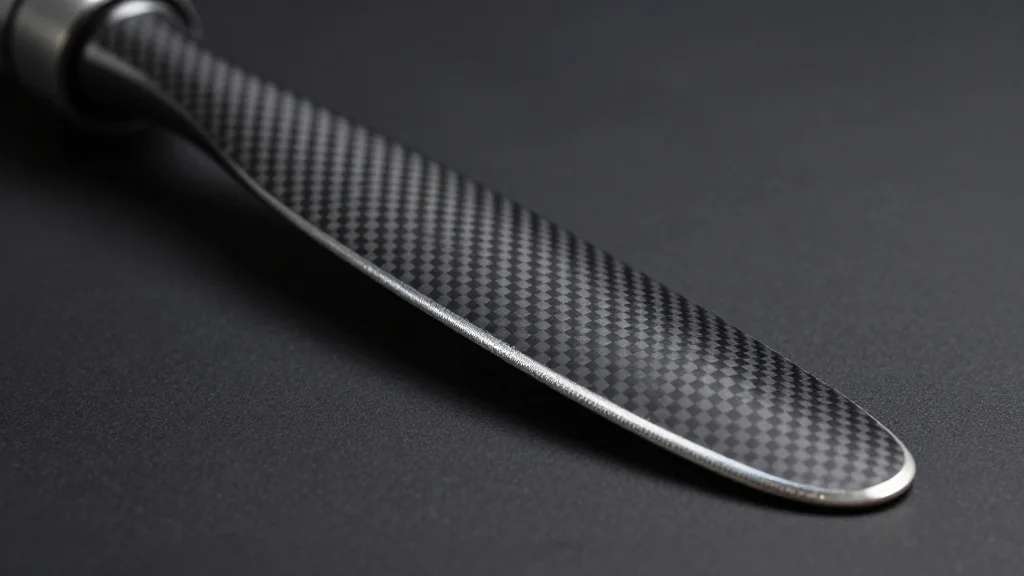
Axalp Technologies Advances iSurface Composites Impact Monitoring Technology
Why It Matters
Early detection of low‑velocity impact damage can extend aircraft service life, cut unscheduled repair costs, and accelerate composite adoption in the fast‑growing AAM and UAS sectors.
Key Takeaways
- •iSurface embeds AI‑driven sensors in composite structures
- •Detects barely visible impact damage, reducing catastrophic failure risk
- •Provides up to +87% Mode I and +244% Mode II uplift
- •Integration options include co‑cure, retrofit, and paint‑layer
- •Anglo‑Swiss program targets certification by 2027‑28
Pulse Analysis
Composite materials have become the backbone of modern aerospace, yet their susceptibility to low‑velocity impacts creates barely visible damage that can propagate into catastrophic failure. Operators face costly inspections and unexpected downtime, especially as advanced air mobility (AAM) vehicles and unmanned aerial systems (UAS) push the limits of lightweight design. iSurface addresses this gap by turning the composite skin itself into an early‑warning system, offering a proactive alternative to traditional nondestructive testing methods.
At the heart of iSurface is the iTex conductive fiber interleaf, a thin lattice that integrates seamlessly during lay‑up or can be retrofitted as a paint‑on layer. The embedded network feeds raw impact signals to an AI‑based diagnostics engine, which classifies impact severity, pinpoints location, and estimates remaining life. Redundancy is built into the distributed sensor grid, ensuring continued coverage even if a local area is compromised. Laboratory results show uplift improvements of up to +87% in Mode I and +244% in Mode II fracture tests, indicating that the sensing layer does not sacrifice structural performance.
From a business perspective, the co‑funded Anglo‑Swiss program positions iSurface for certification by 2027‑28, aligning with the rollout schedules of next‑generation electric vertical take‑off and landing (eVTOL) platforms. Condition‑based maintenance enabled by real‑time impact data can reduce inspection intervals, lower lifecycle costs, and improve aircraft availability. As airlines and drone operators seek to maximize uptime while meeting stringent safety standards, technologies like iSurface are poised to become a differentiator in the competitive composite market.
Axalp Technologies advances iSurface composites impact monitoring technology
Comments
Want to join the conversation?
Loading comments...