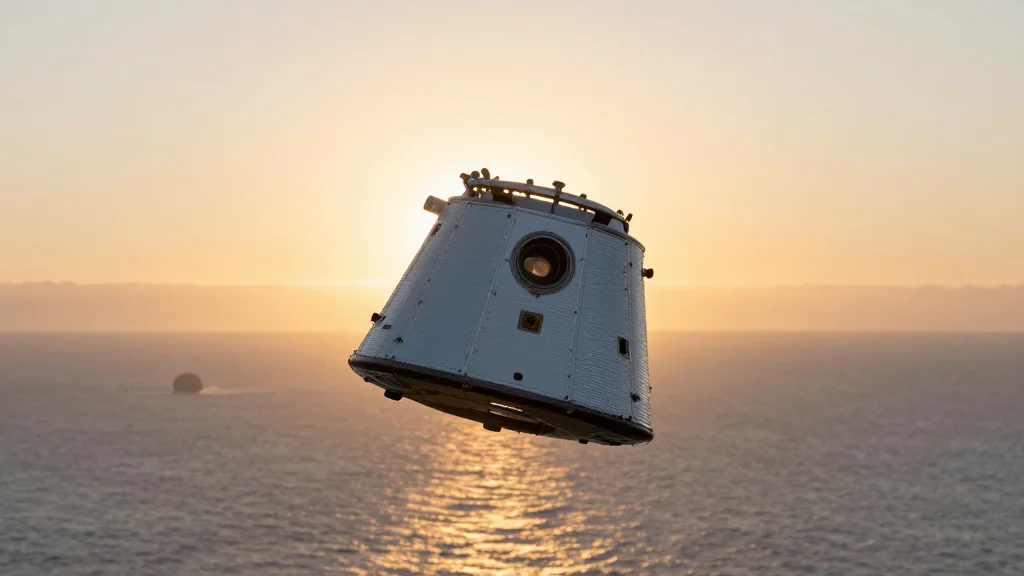
Back on Earth, Artemis II Crew Still Finding Their Footing
Why It Matters
The mission validates NASA’s deep‑space capabilities and informs health protocols for future long‑duration flights, crucial for upcoming lunar bases and Mars expeditions. Its success also sharpens geopolitical competition in space exploration.
Key Takeaways
- •Artemis II crew undergoes medical and physical debrief after splashdown
- •First crewed lunar orbit mission since 1972 includes diverse crew
- •Astronauts report difficulty readjusting to Earth's gravity and routine
- •NASA targets 2028 lunar landing, intensifying competition with China
Pulse Analysis
Artemis II represented a watershed for human spaceflight, delivering the United States its first crewed journey beyond low Earth orbit in five decades. The mission’s diverse roster—featuring a Black astronaut, a woman, and a non‑American—underscored NASA’s commitment to inclusion while capturing global attention. Live broadcasts of the launch, lunar flyby, and splashdown drew millions, reinforcing public enthusiasm for deep‑space exploration and setting a narrative foundation for the agency’s next milestones.
In the days following the Pacific splashdown, the crew entered a rigorous post‑flight regimen that blends medical examinations, physical assessments, and psychological debriefs. Astronauts described a surreal readjustment period, with lingering sensations of weightlessness and a deliberate withdrawal from social media. These observations are feeding into NASA’s evolving health‑maintenance protocols, which aim to mitigate bone loss, muscle atrophy, and cognitive strain on future crews destined for longer lunar stays or Martian voyages. The data gathered will refine countermeasure strategies and inform spacecraft design to support crew well‑being on extended missions.
Looking ahead, Artemis II serves as a stepping stone toward NASA’s goal of a crewed lunar landing by 2028, a timeline that intensifies the strategic rivalry with China’s burgeoning lunar program. The mission’s success bolsters confidence in the Orion spacecraft and the Space Launch System, while also signaling to commercial partners the viability of deep‑space contracts. As the agency accelerates toward a sustainable lunar presence, the lessons from Artemis II will shape policy, investment, and international collaboration in the next era of space exploration.
Back on Earth, Artemis II crew still finding their footing
Comments
Want to join the conversation?
Loading comments...