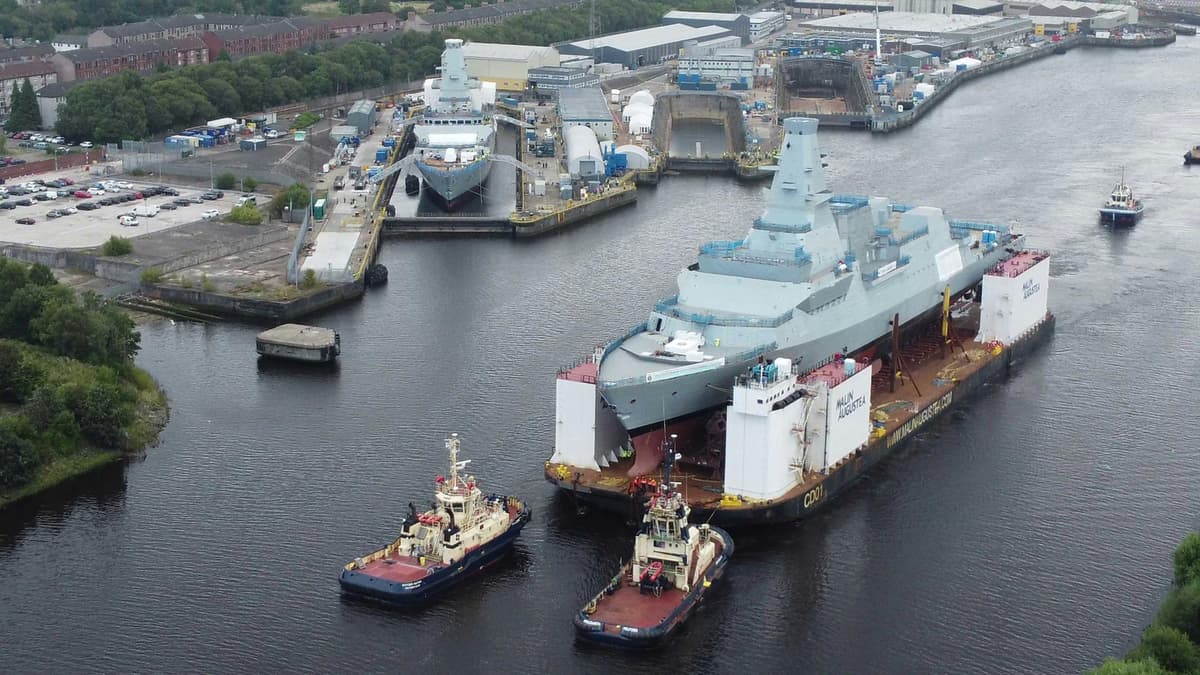
BAE Systems Backs Space and Type 26 as Keys to High North
Key Takeaways
- •Type 26 frigates give UK and Norway interchangeable anti‑submarine capability
- •Azalea satellite cluster provides persistent low‑orbit ISR for Arctic operations
- •MoU with Hamek secures local maintenance, shortening sustainment loops
- •Four‑nation Global Combat Ship fleet creates 4,000‑plus UK supply‑chain jobs
Pulse Analysis
The High North is rapidly becoming a strategic flashpoint as Arctic ice recedes, opening new maritime routes for Russia and other powers. BAE Systems’ push for a UK‑Norway Type 26 partnership addresses this shift by delivering a fleet of acoustically quiet frigates that can detect and neutralise hostile submarines far from shore. Interchangeability between the navies means joint crews can operate any vessel, simplifying logistics and amplifying NATO’s deterrence posture along the northern flank.
Beyond the surface, BAE is betting on space to fill the surveillance gap that traditional radars cannot cover at extreme latitudes. Its Azalea constellation fuses synthetic‑aperture radar and radio‑frequency data in low‑Earth orbit, delivering near‑real‑time intelligence to commanders on the ground. The recent acquisition of Ball Aerospace bolsters this capability, adding advanced optical sensors and missile‑warning payloads that are essential for a resilient, multi‑orbit ISR architecture in the Arctic’s harsh environment.
Industrial collaboration underpins the strategy. The memorandum of understanding with Hamek in Harstad promises local dry‑dock capacity, reducing turnaround times for maintenance and repairs. Coupled with joint exercises like Cold Response and Lion Protector, the plan aims to transition hybrid crewed‑uncrewed concepts from prototype to operational reality. By aligning sovereign capability with proximate sustainment, the UK not only secures its Arctic interests but also safeguards a supply chain that supports roughly 4,000 jobs across Britain.
BAE Systems backs space and Type 26 as keys to High North
Comments
Want to join the conversation?