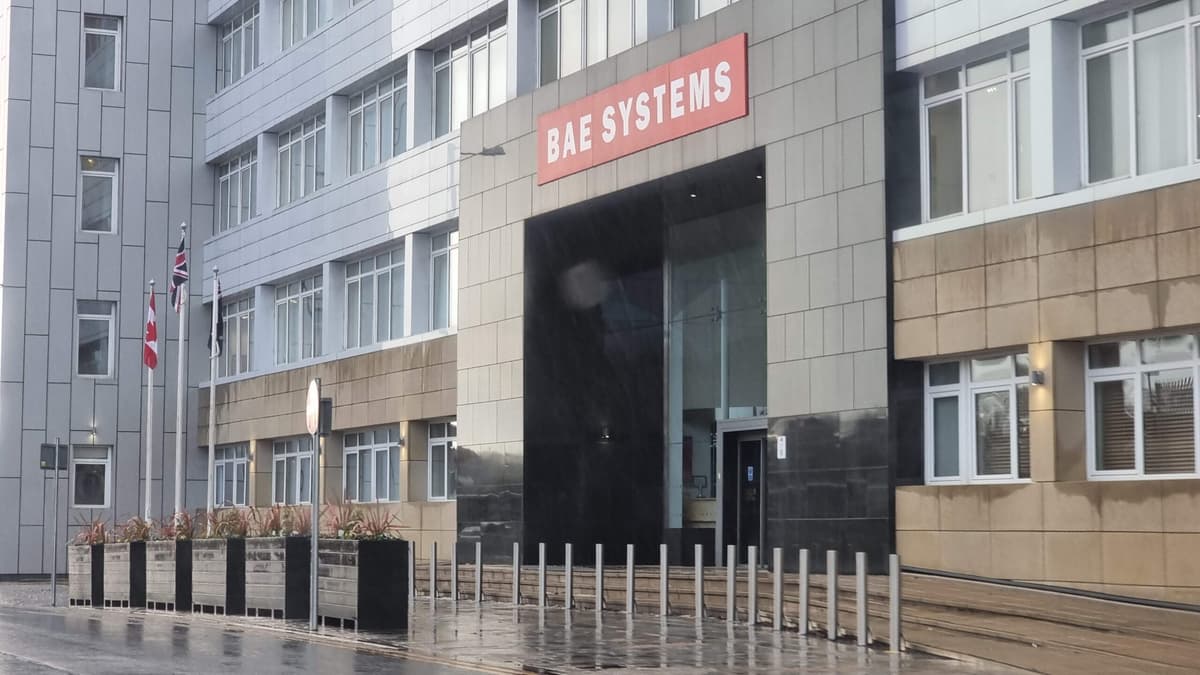
BAE Systems Reports Record Sales and GBP 83.6bn Order Backlog
Key Takeaways
- •Sales hit £30.7bn, up 10% constant currency.
- •Order backlog reached record £83.6bn, up from £77.8bn.
- •Free cash flow fell to £2.16bn, reflecting higher R&D spend.
- •Edgewing joint venture launched for Global Combat Air Programme.
- •2026 outlook targets 7‑9% sales growth, >£1.3bn free cash flow.
Summary
BAE Systems posted record full‑year 2025 sales of £30.7 billion, a 10% rise on a constant‑currency basis, and lifted its order backlog to a historic £83.6 billion. Underlying EBIT grew 12% to £3.32 billion, while free cash flow dipped to £2.16 billion as the firm accelerated R&D and capital spending. The company highlighted major programme wins, including the Edgewing joint venture for the Global Combat Air Programme and Norway’s selection of the Type 26 frigate design. Management forecast 2026 sales growth of 7‑9% and free cash flow above £1.3 billion, underscoring confidence in rising defence budgets.
Pulse Analysis
Global defence budgets have been on an upward trajectory since 2022, driven by heightened geopolitical tensions in Europe and the Indo‑Pacific. BAE Systems, the United Kingdom’s largest defence contractor, has translated that macro environment into tangible growth, reporting a record £30.7 billion in sales for 2025. The 10% constant‑currency increase outpaces many peers and reflects robust demand for both legacy platforms and emerging technologies such as autonomous weapons and advanced air systems. By securing high‑value contracts like the Edgewing joint venture, BAE is embedding itself in the next generation of combat aircraft.
The financial picture combines strong earnings with strategic reinvestment. Underlying EBIT rose 12% to £3.32 billion, while free cash flow fell to £2.16 billion as the company accelerated research, development and capital projects, including a near‑record £1 billion in capex. A record order backlog of £83.6 billion—up £5.8 billion year‑on‑year—provides a multi‑year revenue runway and cushions the business against short‑term market fluctuations. The surge in apprenticeship and graduate recruitment also signals a long‑term talent pipeline essential for sustaining complex weapons programmes.
Looking ahead, BAE’s guidance for 2026 anticipates 7‑9% sales growth and free cash flow exceeding £1.3 billion, reinforcing confidence in continued fiscal discipline despite higher spending. The firm’s dividend increase to 36.3 pence and a £502 million share buyback demonstrate a commitment to returning capital to shareholders while funding future growth. With the Type 26 frigate contract securing the UK’s largest warship export and the Dreadnought‑class submarine programme progressing, BAE is well‑positioned to capture a larger share of the expanding defence market and to drive innovation across land, sea and air domains.
BAE Systems reports record sales and GBP 83.6bn order backlog


Comments
Want to join the conversation?