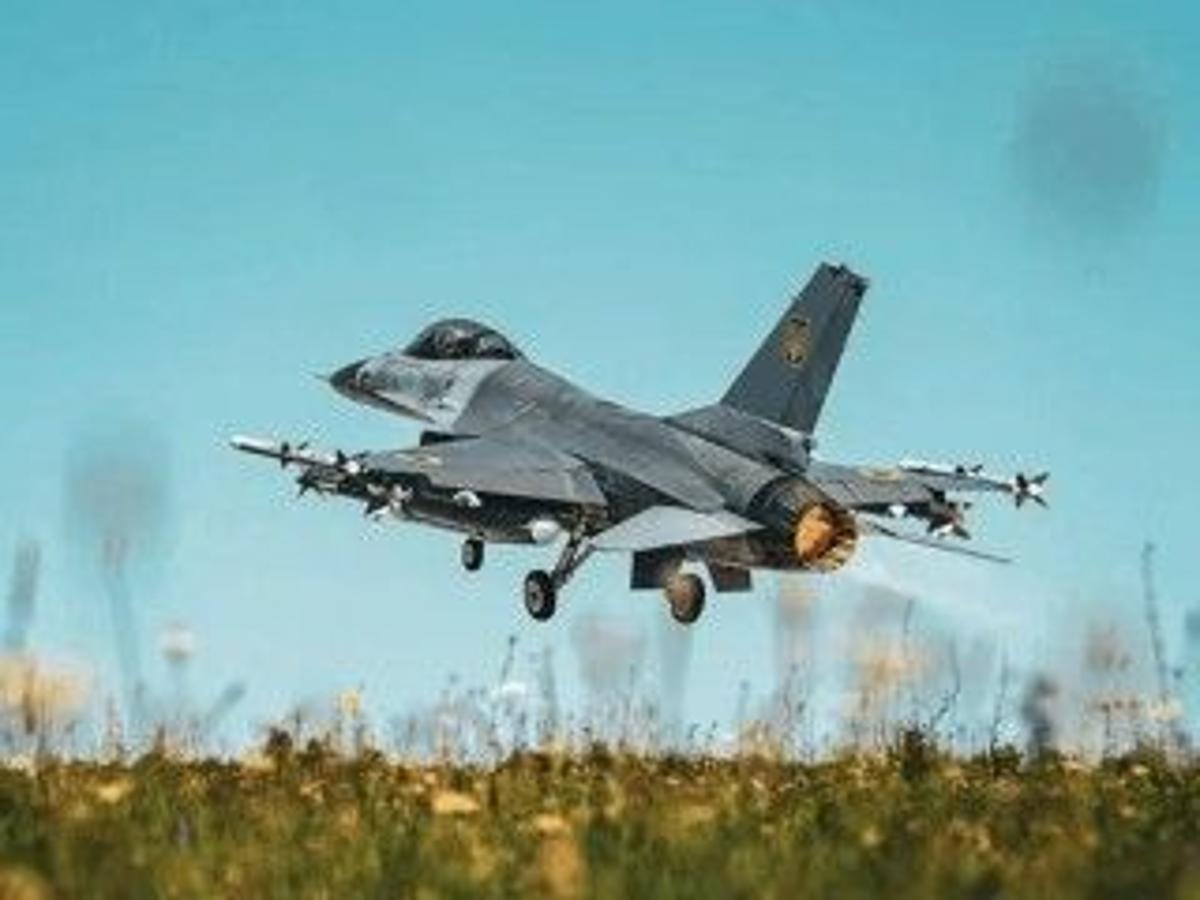
Belgium’s Promised F-16s Are Still Missing
•March 6, 2026
0
Why It Matters
The delay hampers Ukraine’s ability to field a robust multirole fleet and underscores the logistical limits of Western military aid, affecting NATO’s credibility in supporting frontline partners.
Key Takeaways
- •Belgium retains F‑16s for F‑35 transition.
- •No delivery timeline formally set by Belgium.
- •Netherlands, Denmark, Norway already delivered promised jets.
- •Ukraine has received ~44 of 87‑95 pledged fighters.
- •Training and missile shortages curb F‑16 operational impact.
Pulse Analysis
Western promises of fighter jets have become a litmus test for the speed and coordination of defense assistance. Belgium’s hold‑up stems from a strategic pivot to the F‑35, which forces the government to keep its legacy F‑16s operational until the new platform reaches sufficient numbers. This internal transition, combined with the absence of a binding delivery schedule, means that the pledged aircraft remain on the ground in Brussels rather than in Ukrainian squadrons, creating a visible disconnect between political intent and military capability.
Meanwhile, other NATO members have navigated similar hurdles more swiftly. The Netherlands completed its 24‑jet commitment by mid‑2025, Denmark began deliveries in 2024, and Norway transferred around 14 jets, collectively delivering roughly half of the 87‑95 fighters promised to Kyiv. Yet even delivered aircraft face operational bottlenecks: shortages of AIM‑9 and AIM‑120 missiles forced Ukrainian pilots to rely on cannons and daylight missions until additional munitions arrived. These constraints illustrate that aircraft alone are insufficient without a robust supply chain, pilot training, and maintenance infrastructure.
The broader implication for the alliance is a reassessment of how quickly advanced platforms can be repurposed for a conflict zone. Ukraine’s expressed interest in up to 100 Rafales and the stalled Mirage deliveries underscore the complexity of integrating foreign airframes into an existing force. For NATO, the lesson is clear: future commitments must pair hardware promises with realistic timelines, logistics planning, and sustained support to translate political goodwill into tangible battlefield advantage.
Belgium’s promised F-16s are still missing
0
Comments
Want to join the conversation?
Loading comments...