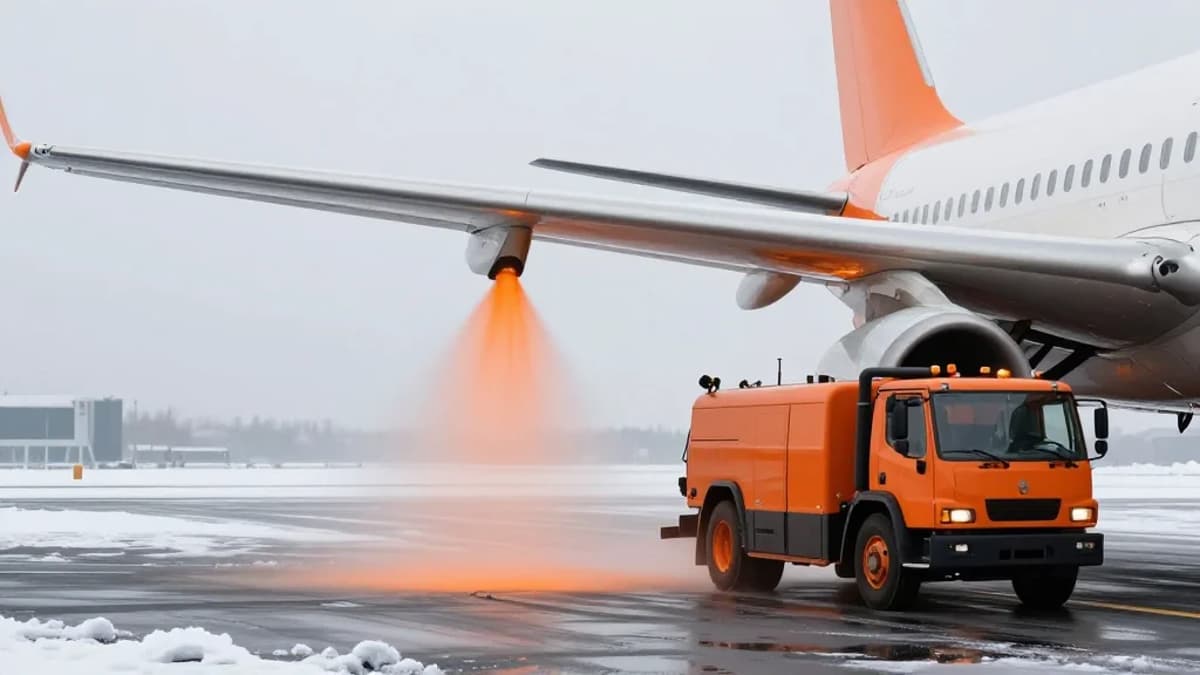
Berlin Airport Grounds Flights For Second Day In A Row As Freezing Rain And Black Ice Cause Havoc
•February 6, 2026
0
Why It Matters
The disruption underscores the vulnerability of major European hubs to extreme winter weather and raises questions about passenger compensation under EU regulations.
Key Takeaways
- •Freezing rain created black ice on BER runways
- •Airport operations suspended intermittently for two days
- •De‑icing liquids replace salt on tarmac
- •EC‑261 may not cover weather‑related cancellations
- •Slip accidents surged, overwhelming Berlin hospitals
Pulse Analysis
Berlin’s capital airport is a bellwether for how European infrastructure copes with increasingly volatile winter storms. While BER is equipped with winter‑weather teams, the sudden onset of freezing rain created a thin, transparent layer of black ice that standard snow‑plows cannot melt. Unlike roadways, where salt can be spread, airfields rely on high‑performance liquid de‑icers and mechanical scrapers, a process that demands precise timing to keep runways safe for take‑off and landing. The recent two‑day suspension illustrates the narrow margin between operational continuity and safety mandates when temperatures hover around the freezing point.
Beyond the immediate operational headaches, the incident spotlights the regulatory landscape governing passenger rights. Under EU Regulation EC‑261, airlines must provide care—meals, accommodation, re‑routing—but may invoke “extraordinary circumstances” to deny monetary compensation for delayed or cancelled flights caused by weather. This legal nuance leaves travelers in a gray area, especially when disruptions extend over multiple days. Airlines, therefore, balance cost‑recovery against reputational risk, often opting for vouchers or re‑booking to maintain goodwill while navigating the fine print of the law.
The broader economic ripple extends to Berlin’s municipal services and health system. A surge in slip‑related injuries, with hospitals reporting 30‑40 cases daily, strains emergency resources and fuels public debate over the city’s ban on road‑salt usage. Policymakers must weigh environmental goals against public safety, potentially revisiting de‑icing strategies for both streets and runways. For airlines and logistics firms, the episode reinforces the need for robust contingency planning, real‑time weather analytics, and flexible scheduling to mitigate revenue loss and preserve passenger confidence during extreme weather events.
Berlin Airport Grounds Flights For Second Day In A Row As Freezing Rain And Black Ice Cause Havoc
0
Comments
Want to join the conversation?
Loading comments...