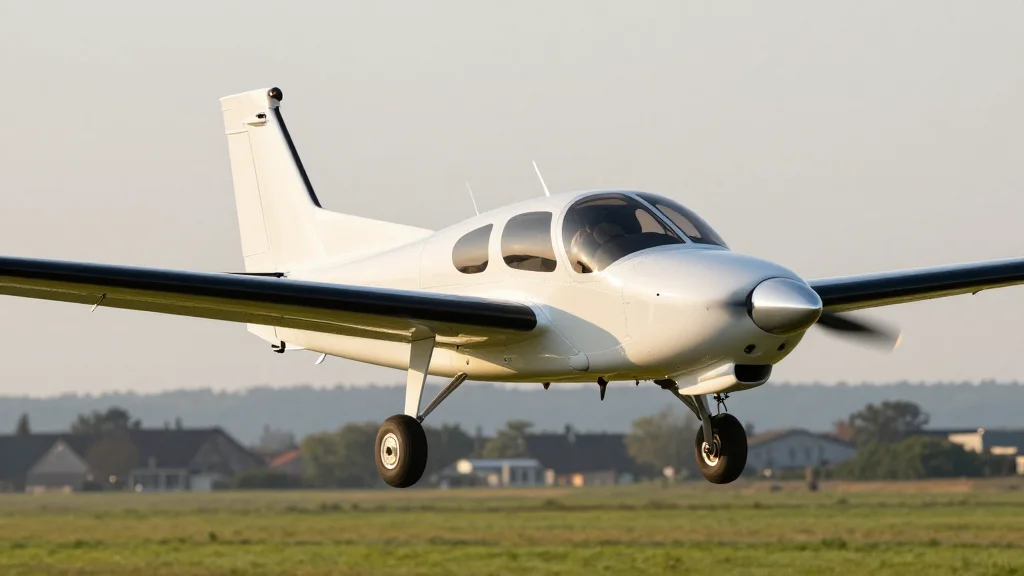
Beta Technologies Completes First Public Flight of Alia CX300 Electric Aircraft

Companies Mentioned
Why It Matters
Beta Technologies’ successful public flight demonstrates that electric propulsion can meet the performance expectations of short‑haul aviation, a segment that accounts for a sizable share of regional travel and cargo. By proving the CX300’s operational capabilities, the company validates a business model that could reduce carbon emissions and operating costs across the sector. Moreover, the flight underscores the regulatory and infrastructure challenges that must be solved before electric aircraft can replace conventional turboprops, highlighting the need for coordinated policy, investment in charging networks, and consumer education. If Beta’s cTOL‑to‑eVTOL pathway proves viable, it could accelerate the broader transition to electric aviation, prompting legacy airlines and aircraft manufacturers to invest in similar technologies. The ripple effect would extend to airport operations, battery supply chains, and the emerging market for high‑power electric propulsion, reshaping the economics of regional air travel and potentially influencing climate‑policy targets for the transportation sector.
Key Takeaways
- •Beta Technologies completed a 20‑minute public flight of the Alia CX300 over Burlington, reaching speeds over 100 mph.
- •CEO Kyle Clark said the CX300 certification will cover about 80% of the requirements for the upcoming Alia 250 eVTOL.
- •The CX300 has orders from carriers like Air New Zealand and aims for revenue‑cargo flights later in 2026.
- •Key challenges include building a charging infrastructure, managing $13 million battery‑replacement costs per aircraft, and gaining public acceptance.
- •Full passenger certification is targeted for late 2027, with the Alia 250 eVTOL slated for vertical‑takeoff testing thereafter.
Pulse Analysis
Beta’s approach of certifying a conventional‑takeoff electric aircraft before moving to vertical‑takeoff models reflects a risk‑mitigation strategy rarely seen in the eVTOL space. By leveraging the CX300’s data, Beta can address 80% of the safety and performance criteria required for the Alia 250, potentially shaving years off the certification timeline. This could force competitors to reconsider their pure‑eVTOL roadmaps, especially if Beta can demonstrate lower lifecycle costs and comparable reliability.
However, the company’s success hinges on solving the ‘last‑mile’ problem of aircraft‑scale charging. Unlike ground‑vehicle EVs, electric planes demand high‑power, fast‑charge stations that can replenish large battery packs within tight turnaround windows. Without a coordinated rollout of such infrastructure, the CX300’s operational economics may fall short of the promised cost savings, limiting its appeal to airlines focused on thin margins.
Finally, market adoption will be a test of consumer confidence. The quiet, smooth flight described by the test pilot is compelling, but passengers and cargo shippers will need hard data on safety, maintenance intervals, and total cost of ownership. If Beta can deliver on its certification timeline, secure charging partners, and keep battery‑replacement costs manageable, the CX300 could become the flagship of a new generation of regional electric aircraft, reshaping routes that currently rely on diesel‑powered turboprops and setting a precedent for the broader electrification of aviation.
Beta Technologies completes first public flight of Alia CX300 electric aircraft
Comments
Want to join the conversation?
Loading comments...