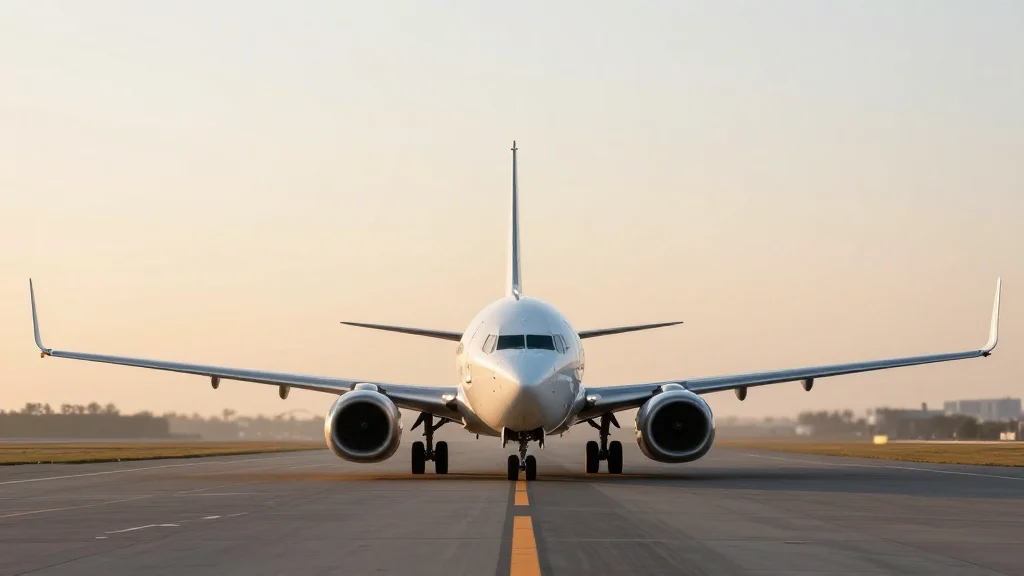
Boeing 737 MAX & Beyond: The Safety Scandals That Forced Aviation To Change
Companies Mentioned
Why It Matters
The scandal reshaped aviation safety standards and forced regulators to tighten oversight, directly affecting airline operations and manufacturer reputations. Boeing's rebound demonstrates the market’s capacity to recover when safety reforms are implemented.
Key Takeaways
- •MAX grounded 20 months after two fatal crashes
- •MCAS software hidden from FAA, regulators, airlines
- •2024 door‑plug incident forced inspections of 737 MAX 9
- •FAA tightened oversight, limited ODA scope in 2025
- •Boeing delivered record 143 jets Q2 2025, outpacing Airbus
Pulse Analysis
The 737 MAX crisis exposed a fundamental breach of trust between Boeing and aviation regulators. By omitting the MCAS system from documentation, the company prioritized rapid certification over transparent safety practices, a decision that culminated in 346 deaths across two crashes. The fallout prompted a global grounding, intensive investigations, and a reevaluation of how new software is introduced to aircraft fleets, reinforcing the industry’s zero‑tolerance stance on undisclosed safety features.
Regulatory response intensified after the grounding, with the FAA suspending Boeing’s Organization Designation Authorization and imposing production caps. The agency’s renewed ODA in 2025 now requires on‑site inspectors during critical assembly phases, a direct reaction to quality lapses revealed in the 787 Dreamliner and the 2024 door‑plug incident on a 737 MAX 9. These measures aim to prevent a repeat of the cascade failures that have plagued Boeing’s recent history, ensuring that each component meets rigorous standards before delivery.
Boeing’s recent performance signals a tentative recovery. Delivering a record 143 commercial aircraft in the second quarter of 2025, the company outpaced Airbus for the first time in seven years, indicating restored confidence among airlines. Looking ahead, Boeing targets certification of the MAX 7, MAX 10, and the 777‑9 by late 2026, with commercial entry slated for early 2027. The industry watches closely, as the lessons from the MAX saga shape future safety protocols, regulatory frameworks, and competitive dynamics in the commercial aviation market.
Boeing 737 MAX & Beyond: The Safety Scandals That Forced Aviation To Change
Comments
Want to join the conversation?
Loading comments...