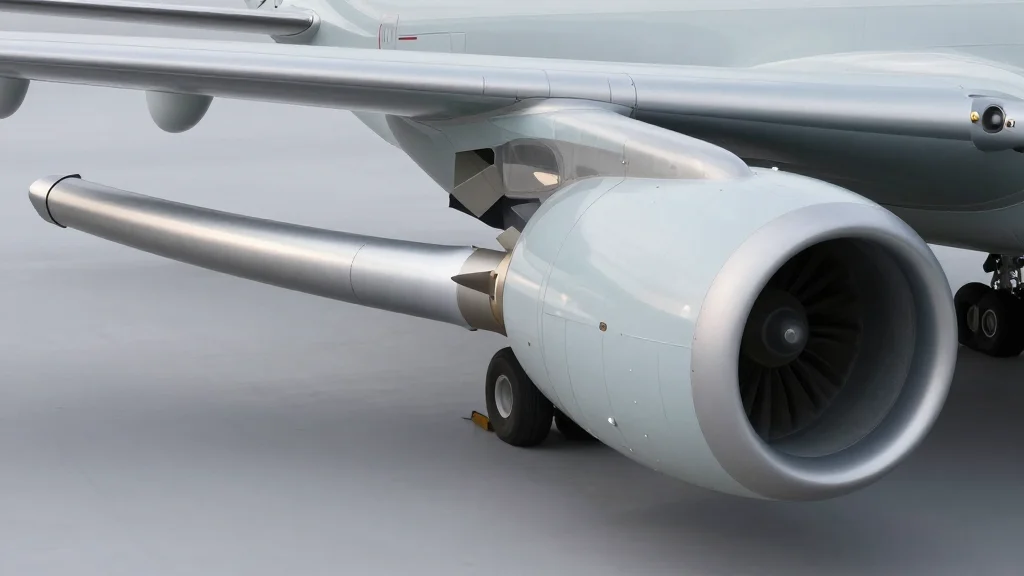
Boeing Wins $101 Million KC‑46 Tanker Support Contract From U.S. Air Force

Companies Mentioned
Why It Matters
The KC‑46 contract underscores the importance of sustainment work in the defense aerospace market, where long‑term service agreements can provide a reliable revenue foundation even when new aircraft orders fluctuate. For Boeing, the deal helps shore up confidence among investors and Pentagon officials after a period of production setbacks, reinforcing the company’s claim that its defense business is a stable pillar of overall earnings. Beyond Boeing, the contract reflects a broader trend of the U.S. military prioritizing lifecycle support for existing platforms to maintain readiness while newer procurement programs undergo rigorous testing and budgeting. This approach can shape the competitive dynamics among major defense contractors, as firms that demonstrate reliable logistics performance may capture a larger share of future sustainment contracts.
Key Takeaways
- •Boeing awarded a $101.29 million KC‑46 tanker support contract by the U.S. Air Force.
- •The one‑year agreement runs through April 6, 2027 and is funded through FY 2026‑27 budgets.
- •Contract adds predictable defense cash flow amid Boeing’s broader 2026 recovery, including a $36 billion Korean Air order.
- •Boeing’s stock sits near $208, up more than 50 % over the past year as investors respond to the turnaround.
- •The deal aligns with other recent Air Force contracts for E‑4B and T‑38C upgrades, signaling a focus on long‑term sustainment.
Pulse Analysis
Boeing’s KC‑46 sustainment contract is a micro‑signal of a larger strategic shift within the defense aerospace sector: the growing emphasis on lifecycle services over one‑off procurements. Historically, defense revenue spikes have been tied to large platform sales, but the modern procurement environment—characterized by tighter budgets and heightened performance scrutiny—rewards contractors that can guarantee uptime and cost‑effective maintenance. Boeing’s ability to lock in a $101 million contract suggests that its logistics and supply‑chain reforms, instituted after the 737 MAX crisis, are beginning to pay dividends in the defense arena.
From a market perspective, the contract helps smooth Boeing’s earnings profile, reducing reliance on the volatile commercial jet market that still grapples with supply‑chain bottlenecks and fluctuating airline demand. The defense segment’s recurring revenue can act as a buffer, supporting the company’s free cash flow and enabling continued investment in next‑generation platforms such as the B‑21 bomber and the upcoming T‑7A trainer. Competitors like Lockheed Martin and Northrop Grumman will be watching closely; if Boeing can demonstrate superior sustainment performance, it could tilt future multi‑year contracts in its favor.
Looking forward, the real test will be whether Boeing can translate this modest contract into a pipeline of larger, multi‑year agreements. The Pentagon’s current focus on maintaining existing fleets while modernizing select capabilities creates an opening for firms that can offer integrated support solutions. If Boeing leverages the KC‑46 win to showcase cost savings and operational reliability, it could secure a more dominant role in the next round of defense budgeting, potentially reshaping the competitive landscape for U.S. aerospace defense contractors.
Boeing Wins $101 Million KC‑46 Tanker Support Contract from U.S. Air Force
Comments
Want to join the conversation?
Loading comments...