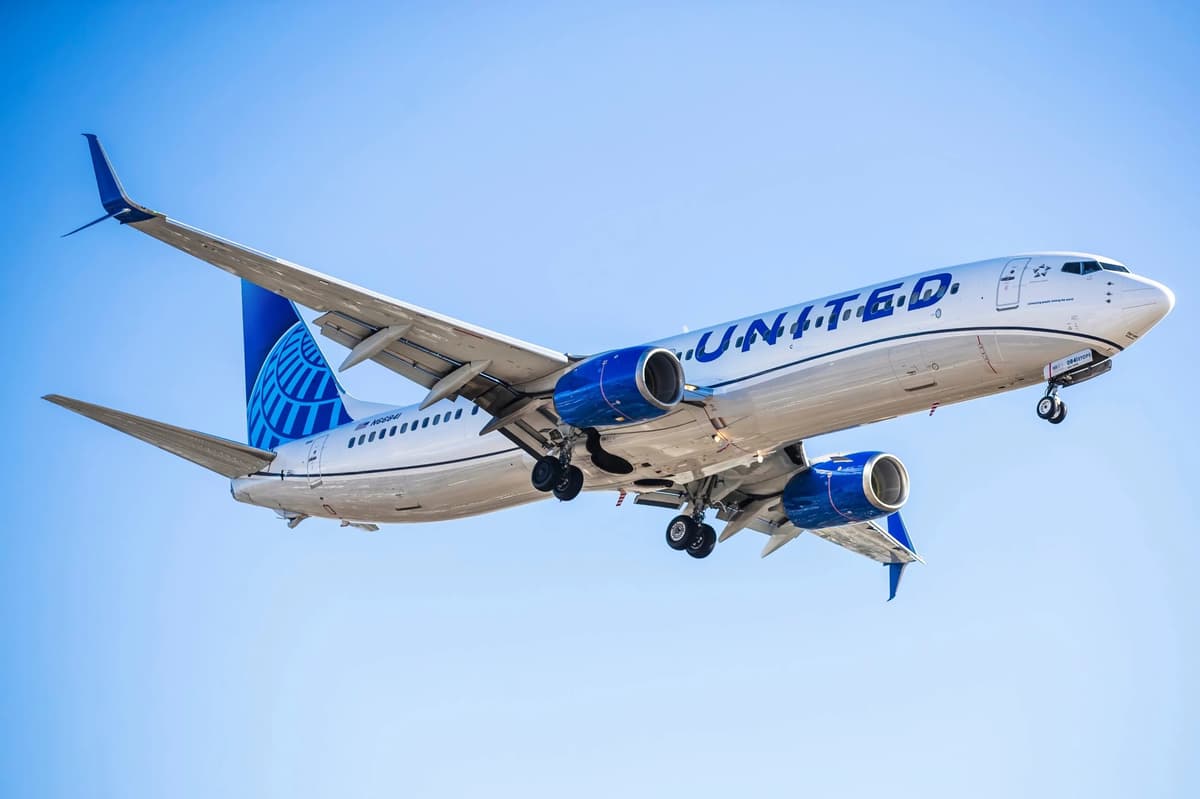
‘Brain-Searing Pain’: United Airlines Passenger Describes Agonizing Moment Boeing 737’s Pressurization System Broke
•February 1, 2026
0
Why It Matters
Pressurization malfunctions can cause lasting health injuries and expose airlines to liability, prompting regulatory scrutiny and demands for better passenger compensation.
Key Takeaways
- •Boeing 737 pressurization failed seconds after takeoff
- •Passengers experienced severe ear and head pain
- •Aircraft descended and diverted to Houston
- •Oxygen masks did not deploy below 14,000 ft
- •Similar incidents raise safety concerns for 737 fleet
Pulse Analysis
The United Airlines UA‑1332 incident highlights a known limitation in commercial aircraft pressurization monitoring. Boeing’s 737‑700 began climbing to roughly 8,700 feet before the cabin failed to reach the typical 8,000‑foot equivalent pressure. Because automatic alerts and mask deployment are programmed for altitudes above 10,000 feet and 14,000 feet respectively, passengers endured severe pressure differentials without supplemental oxygen. The crew’s decision to descend to 6,600 feet and divert to Houston bought time for the system to stabilize, but the brief exposure caused the “brain‑searing” pain described by the passenger.
Medical experts note that rapid decompression at low altitude can produce intense ear barotrauma, headaches, and, in extreme cases, eardrum rupture. The United passenger’s lingering hearing issues underscore the potential for lasting injury, prompting calls for clearer airline protocols and more generous compensation. While United offered 2,500 MileagePlus miles, industry precedent suggests that cash settlements or higher mileage awards are more appropriate for documented health impacts. Recent lawsuits, such as the Delta 737 case, signal a growing willingness of affected travelers to pursue legal remedies.
For Boeing, repeated pressurization failures on the 737 line raise questions about sensor redundancy and software thresholds. Regulators may push for mandatory mask‑deployment triggers at lower altitudes or require additional crew training on rapid‑descent procedures. Airlines, meanwhile, must balance operational costs with passenger safety perceptions, especially as frequent flyers scrutinize compensation policies. As the fleet ages, proactive maintenance and transparent communication will be critical to preserving confidence in short‑haul jet travel.
‘Brain-Searing Pain’: United Airlines Passenger Describes Agonizing Moment Boeing 737’s Pressurization System Broke
0
Comments
Want to join the conversation?
Loading comments...