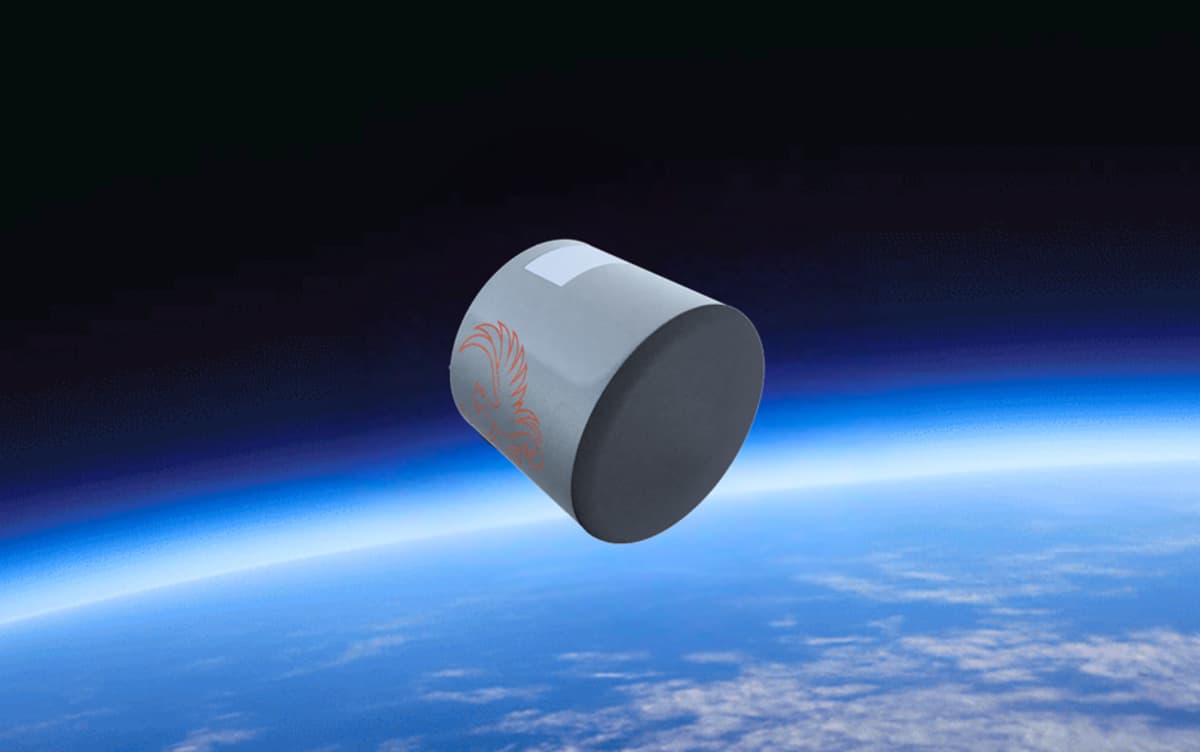
Breaking the TRL Bottleneck: Space Phoenix Systems Debuts Cost-Effective Space Test-and-Return Service
Why It Matters
TR LEAP dramatically reduces the time and expense of space qualification, allowing emerging manufacturers to bring products to market faster and fueling growth in the in‑space manufacturing sector.
Key Takeaways
- •TR LEAP provides reusable spacecraft for rapid technology testing.
- •Integrated launch, monitoring, and payload recovery cuts qualification costs.
- •High‑cadence flights shorten TRL progression from years to months.
- •Enables scalable, high‑frequency orbital economy for emerging manufacturers.
Pulse Analysis
The traditional path from concept to operational space hardware is plagued by long lead times and prohibitive costs, often requiring a single, high‑stakes flight to prove a technology’s viability. Space Phoenix Systems’ TR LEAP tackles this bottleneck by offering a modular, returnable platform that can be reflown on a schedule measured in weeks rather than years. This model mirrors terrestrial rapid‑prototype cycles, giving engineers the ability to test, retrieve, analyze, and iterate without the financial drag of building a new spacecraft for each trial.
Beyond cost savings, TR LEAP’s integrated service stack—covering launch procurement, payload integration, on‑orbit monitoring, and automated recovery—creates a seamless workflow that eliminates the administrative friction typical of multi‑vendor space projects. For developers of in‑space manufacturing, satellite components, and advanced propulsion, the ability to validate performance in the actual orbital environment accelerates technology readiness levels (TRL) and shortens the path to commercial deployment. The service’s pay‑as‑you‑go pricing structure democratizes access, opening doors for smaller firms and university labs that previously faced prohibitive entry barriers.
Industry analysts see TR LEAP as a catalyst for a high‑frequency orbital economy, where frequent, low‑cost test flights become the norm rather than the exception. This shift could spur a wave of innovation, attracting venture capital to space‑tech startups and prompting legacy aerospace firms to adopt similar reusable‑test‑bed strategies. As the market adapts, investors may begin to value companies that can demonstrate rapid iteration cycles, reshaping the competitive landscape and accelerating the commercialization of next‑generation space technologies.
Breaking the TRL Bottleneck: Space Phoenix Systems Debuts Cost-Effective Space Test-and-Return Service
Comments
Want to join the conversation?
Loading comments...