Budget Airlines Petition White House for $2.5 B Relief as Spirit Bailout Looms

Companies Mentioned
Why It Matters
The request for a $2.5 billion federal lifeline highlights how volatile energy markets can destabilize the ultra‑low‑cost segment of the aerospace industry, a sector that traditionally drives passenger growth and keeps air travel affordable. Government intervention, whether through direct equity stakes or emergency financing, could set a precedent for future bailouts, altering the balance between private risk‑taking and public support in a market already dominated by a handful of major airlines. Beyond the immediate financial relief, the episode underscores the strategic importance of fuel‑price hedging and diversification for airlines. As jet‑fuel costs become increasingly linked to geopolitical events, carriers may need to re‑evaluate business models that rely on razor‑thin margins, potentially accelerating a shift toward more resilient, hybrid pricing structures or greater investment in alternative fuels. The broader aerospace ecosystem—airports, aircraft manufacturers, and ancillary service providers—will also feel the ripple effects. A rescued Spirit could sustain demand for narrow‑body aircraft, while a collapse would depress orders for new planes and strain regional airport revenues that depend on high‑frequency, low‑cost flights.
Key Takeaways
- •Frontier, Avelo and other budget carriers asked the White House for $2.5 billion in relief to cover extra jet‑fuel costs.
- •President Donald Trump signaled willingness to acquire Spirit Airlines, which has lost over $2.5 billion since 2020.
- •The aid would be tied to convertible equity stakes, potentially giving the Treasury up to a 90 % ownership in Spirit.
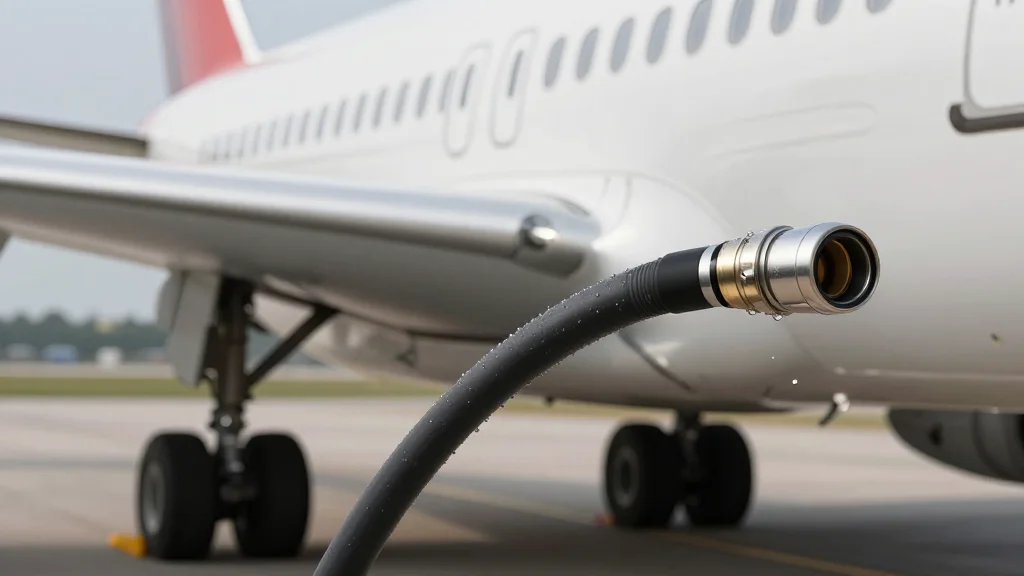
- •Jet‑fuel prices have risen more than $2 per gallon since early 2026, threatening the ultra‑low‑cost model.
- •IEA chief Fatih Birol warned the current energy crisis could have “major implications for the global economy.”
Pulse Analysis
The budget‑airline relief request is a textbook case of market failure meeting political opportunity. Ultra‑low‑cost carriers thrive on thin margins, and the sudden, sustained surge in jet‑fuel prices—driven by geopolitical supply shocks—has turned a profitable niche into a cash‑flow nightmare. Historically, the U.S. government has shied away from direct airline bailouts except in systemic crises (e.g., post‑9/11, COVID‑19). This time, however, the political calculus is different: a visible airline failure could translate into thousands of job losses in swing states just months before the midterms, providing a potent electoral incentive.
If the Treasury proceeds with an equity‑heavy rescue, it will effectively become a shareholder in a highly competitive market, raising antitrust concerns and potentially prompting legal challenges from legacy carriers. The move could also distort future financing for low‑cost airlines, as investors may come to expect government backstops, weakening market discipline. Conversely, a denial of aid could accelerate consolidation, with larger carriers snapping up Spirit’s slots and routes, further entrenching the oligopolistic structure of U.S. aviation.
Strategically, the episode may accelerate the industry’s pivot toward fuel‑efficiency and alternative energy. Airlines that survive without government aid will likely double down on hedging strategies, invest in newer, more efficient aircraft, and explore sustainable aviation fuels to mitigate future price shocks. In the long run, the outcome of these negotiations will shape not only the competitive landscape but also the pace at which the aerospace sector adopts greener, more resilient technologies.
Budget Airlines Petition White House for $2.5 B Relief as Spirit Bailout Looms
Comments
Want to join the conversation?
Loading comments...