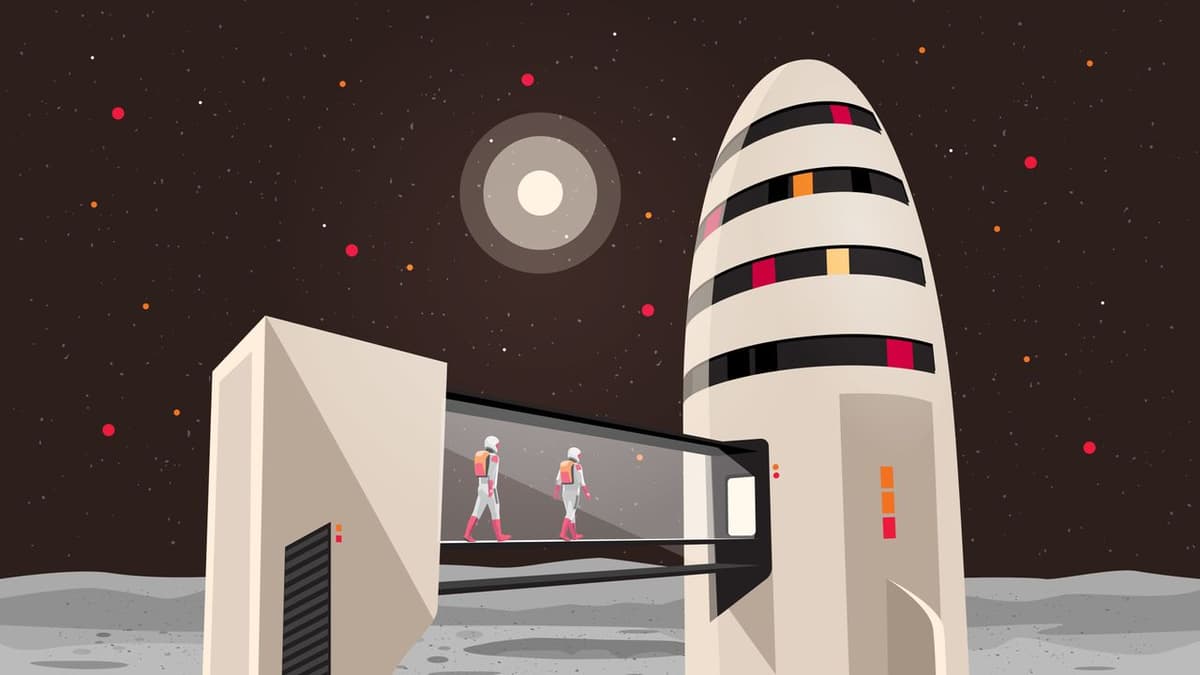
Can NASA and SpaceX Really Build a Moon Base in the Next 10 Years?
Companies Mentioned

NASA
SpaceX
Why It Matters
A lunar base would anchor U.S. leadership in deep‑space exploration and open new commercial opportunities, but technical and health risks could delay or derail the investment. Understanding these hurdles now is critical for realistic budgeting and international collaboration.
Key Takeaways
- •NASA targets lunar base construction start by 2027
- •Sharp, electrified dust could damage habitats and solar panels
- •Radiation and low gravity pose unknown long‑term health risks
- •Lack of confirmed ice resources hampers sustainable lunar settlement plans
Pulse Analysis
The announcement by NASA’s Jared Isaacman marks a bold shift from Mars‑centric ambitions to a concrete plan for a Moon outpost. Leveraging the Artemis program, the agency hopes to land the next crewed missions by 2028 and begin construction of habitats within a decade. This timeline aligns with commercial partners like SpaceX, which see the lunar surface as a testing ground for deep‑space transport and a potential market for tourism and mining. However, the aggressive schedule raises questions about funding, policy continuity, and the readiness of supporting technologies.
Technical hurdles dominate the debate. Lunar regolith is composed of razor‑sharp, electrostatic particles that cling to equipment, degrade solar panels, and can infiltrate life‑support systems. Radiation exposure on the Moon is far higher than on the International Space Station, demanding innovative shielding solutions that add mass and complexity. Moreover, the Moon’s one‑sixth gravity challenges human physiology; bone loss, muscle atrophy, and fluid redistribution could impair crew health without robust countermeasures. Current concepts—3D‑printed structures, underground habitats, or glass domes—remain untested in the lunar environment, and even basic operations like digging remain unsolved.
Resource availability is the linchpin for long‑term viability. While orbital data suggest water ice exists in permanently shadowed craters, its depth, purity, and extractability are still unknown. Without reliable in‑situ water, the base would depend on costly Earth resupply, undermining economic sustainability. The Moon Village Association and other stakeholders argue that premature commercialization could lead to costly failures. Consequently, many experts advocate a phased approach: first gather detailed ice samples, validate dust mitigation techniques, and conduct extended health studies before committing to permanent infrastructure. This measured path may extend the timeline beyond 2034, but it offers a realistic roadmap to a thriving lunar economy.
Can NASA and SpaceX really build a moon base in the next 10 years?
Comments
Want to join the conversation?
Loading comments...