Canada Deepens Arctic Defence Ties with Nordics to Boost Aerospace Surveillance

Companies Mentioned
Why It Matters
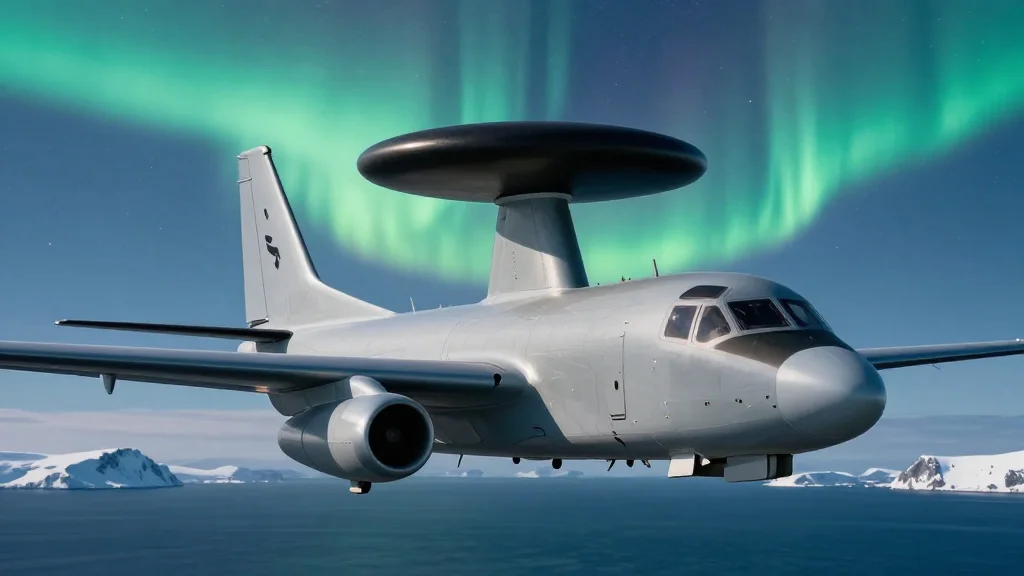
The Canada‑Nordic defence pact reshapes Arctic security by creating a multi‑nation aerospace surveillance network that reduces reliance on the United States. In a region where Russia operates the most bases and China is seeking footholds, shared radar, satellite and airborne early‑warning capabilities give the partners a strategic edge in detecting incursions and protecting critical air routes. The agreement also signals a broader shift toward “middle‑power” coalitions that can collectively fund and field advanced aerospace systems, potentially redefining procurement norms and influencing global defence market shares. For the aerospace industry, the partnership opens a new procurement corridor that blends Canadian and Nordic expertise. Companies that can deliver Arctic‑hardened sensors, drones and communication suites stand to win contracts worth billions, while the joint development of training and simulation platforms could set new standards for high‑latitude operations. The initiative may also spur innovation in cold‑weather avionics and autonomous surveillance, driving technology spillovers into civilian sectors such as commercial aviation and remote sensing.
Key Takeaways
- •Canada and five Nordic nations signed a joint defence procurement and Arctic security pact in March 2026.
- •The agreement includes coordinated upgrades to NORAD’s high‑latitude radar and satellite surveillance.
- •Whitney Lackenbauer, Canadian Ranger, highlighted U.S. rhetoric as a catalyst for the partnership.
- •Danish PM Mette Frederiksen emphasized building a new world order based on shared values.
- •Projected combined defence spending of up to $1 billion over the next five years.
Pulse Analysis
The Canada‑Nordic defence alignment marks a strategic inflection point for Arctic aerospace capabilities. Historically, the United States has been the linchpin of North‑American air defence through NORAD, but recent political volatility has exposed the fragility of that reliance. By weaving together radar, satellite and airborne assets across a trans‑Atlantic coalition, Canada and its Nordic partners are creating redundancy that can sustain surveillance even if U.S. support wanes. This redundancy is not merely defensive; it also positions the bloc to influence Arctic air traffic management as commercial routes open under melting ice.
From a market perspective, the pact could accelerate consolidation among niche aerospace firms that specialize in cold‑climate technologies. Nordic giants like Saab already have a foothold in advanced radar, while Canadian firms such as MDA bring satellite expertise. Joint procurement will likely favor integrated solutions, prompting mergers or strategic alliances that can deliver end‑to‑end Arctic surveillance packages. Competitors outside the bloc, notably Russian and Chinese defense exporters, may find it harder to penetrate the market as the Canada‑Nordic network standardises specifications and certification processes.
Looking ahead, the success of this partnership will hinge on operational integration and political continuity. The planned Greenland Ranger adaptation and the establishment of a shared command centre will test the ability of disparate military cultures to operate under a unified doctrine. If the coalition can demonstrate seamless data sharing and rapid response, it could set a template for other regional alliances seeking to counter great‑power encroachment in contested spaces. Conversely, any friction—whether over cost‑sharing, technology transfer or strategic priorities—could undermine the initiative and leave the Arctic vulnerable to the very threats the partners aim to deter.
Canada Deepens Arctic Defence Ties with Nordics to Boost Aerospace Surveillance
Comments
Want to join the conversation?
Loading comments...