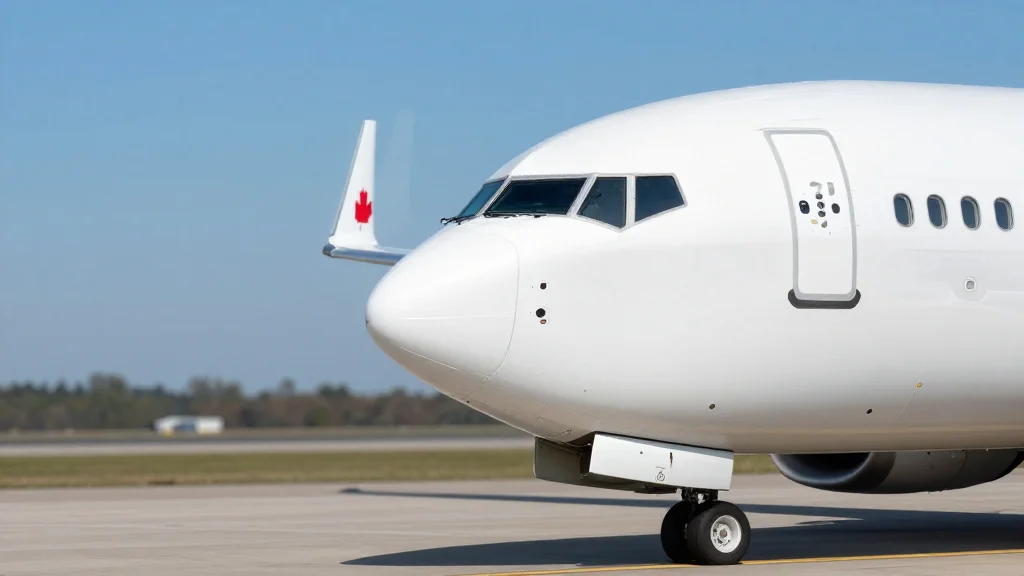
Canada's WestJet Aims to Introduce B737-10 in 1Q27 - CEO
Companies Mentioned
Why It Matters
Introducing the fuel‑efficient 737‑MAX 10 strengthens WestJet’s cost structure and capacity, positioning the airline to capture growth in a price‑sensitive market while meeting sustainability targets.
Key Takeaways
- •WestJet targets Q1 2027 for first 737 MAX 10 delivery
- •MAX 10 adds 20% more seats than current narrow‑body fleet
- •New aircraft reduces fuel burn by roughly 15% per seat
- •Deployment supports WestJet’s expansion into secondary Canadian markets
- •Accelerates retirement of aging 737‑800s, cutting maintenance costs
Pulse Analysis
WestJet’s decision to bring the Boeing 737‑MAX 10 into service by early 2027 reflects a broader industry shift toward larger, more efficient narrow‑body aircraft. The MAX 10, the longest variant in the 737 family, offers up to 230 seats—significantly more than the 189‑seat 737‑800s currently in WestJet’s fleet. This capacity boost enables the carrier to serve higher‑density routes without adding extra flight frequencies, a crucial advantage as Canadian travel demand rebounds post‑pandemic. Moreover, the aircraft’s advanced wing design and CFM LEAP‑1B engines deliver roughly a 15% reduction in fuel consumption per seat, translating into lower operating costs and a smaller carbon footprint.
From a strategic perspective, the timing aligns with WestJet’s ambition to deepen its presence in secondary and regional Canadian airports where competition is less intense but demand is growing. By deploying the MAX 10 on these routes, WestJet can offer more seats at competitive fares while maintaining profitability. The new jets also free up older 737‑800s for potential lease or sale, further optimizing the balance sheet. Industry analysts note that fleet modernization of this scale often improves an airline’s credit profile, making future financing for expansion or ancillary projects more accessible.
The move also has ripple effects across the North American aviation market. Competitors such as Air Canada and low‑cost carriers will feel pressure to accelerate their own fleet upgrades to avoid being outpaced on cost and capacity. Additionally, Boeing stands to benefit from the order, reinforcing its position in the Canadian market after recent certification delays. For investors and stakeholders, WestJet’s MAX 10 rollout signals a proactive approach to operational efficiency, market growth, and environmental responsibility—key pillars for sustainable profitability in today’s airline industry.
Canada's WestJet aims to introduce B737-10 in 1Q27 - CEO
Comments
Want to join the conversation?
Loading comments...