Chang'e-6 Farside Samples Reshape Lunar Impact History
•March 1, 2026
0
Why It Matters
Confirming a universal lunar cratering timeline resolves the Late Heavy Bombardment controversy and equips scientists with a more accurate dating tool for the Moon and other inner‑Solar‑System bodies, shaping future exploration strategies.
Key Takeaways
- •Far‑side samples match near‑side cratering chronology.
- •Updated model shows smooth decline, no 3.9 Ga spike.
- •4.247 Ga norite dates South Pole‑Aitken formation.
- •Unified chronology improves dating of unsampled lunar regions.
Pulse Analysis
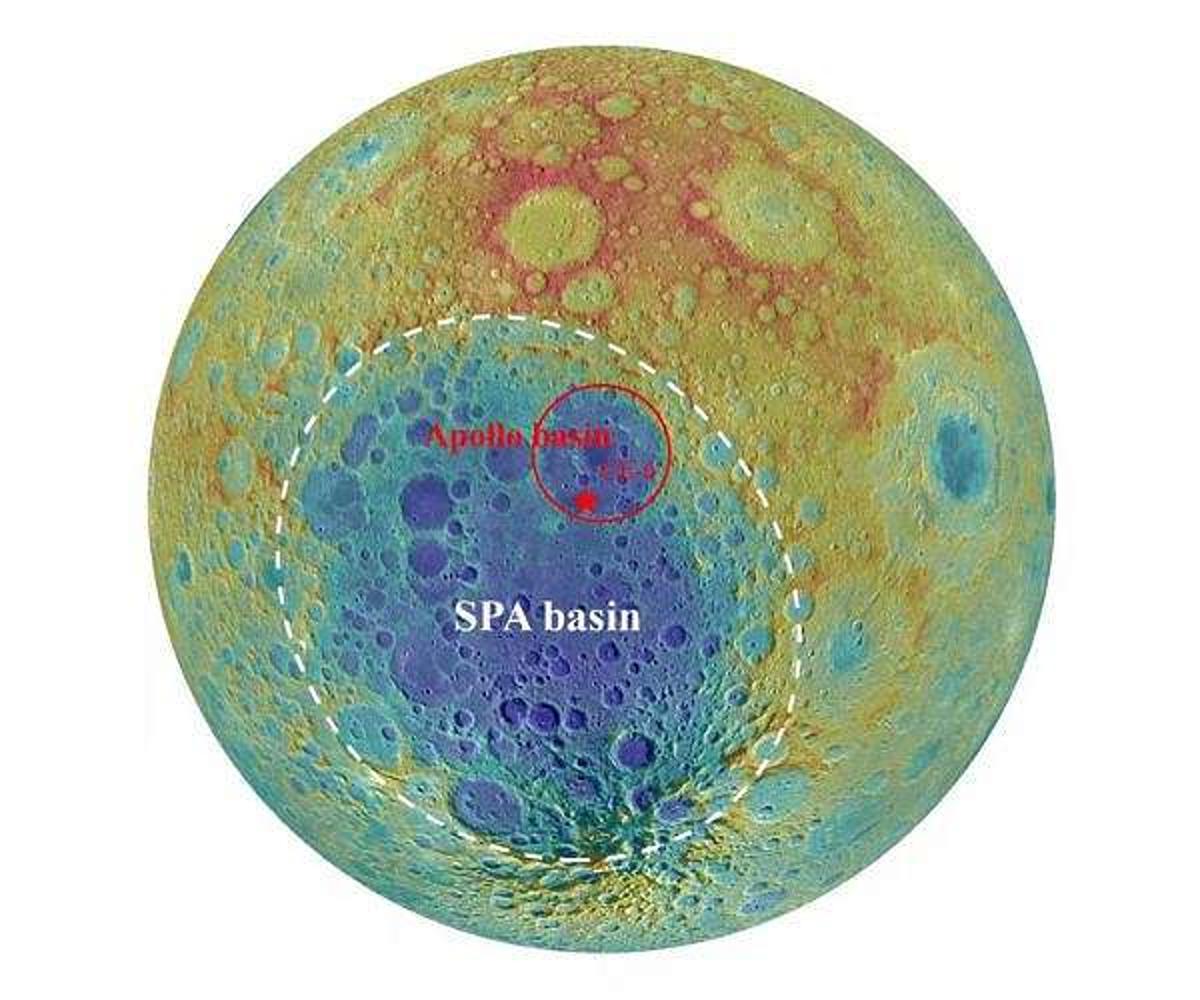
The lunar cratering chronology has long been anchored in Apollo and Luna samples collected from the Moon’s near side, leaving a geographic blind spot that fueled debates over impact rates across the lunar hemispheres. Chang’e-6’s successful far‑side sample return filled that gap, delivering basaltic material dated to 2.8 billion years and rare noritic fragments dated to 4.247 billion years. By pairing these ages with high‑resolution crater counts, researchers demonstrated that the far‑side data align with the established near‑side curve, confirming that impact fluxes have been globally consistent over billions of years.
These findings directly challenge the classic Late Heavy Bombardment hypothesis, which posits a sharp, system‑wide spike in impacts around 3.9 billion years ago. The new chronology instead reveals a smooth, rapid decline in bombardment intensity following the early accretion phase, with no statistically significant surge. The 4.247 Ga norite, linked to the formation of the South Pole‑Aitken basin, provides a firm anchor point that pushes major basin‑forming events earlier than previously inferred, supporting a monotonic decay model rather than episodic peaks.
Beyond resolving a planetary‑scale controversy, the unified cratering function enhances the precision of age estimates for vast, unsampled lunar regions, aiding the selection of future landing sites and the interpretation of remote‑sensing data. A more reliable timeline also benefits comparative studies of Mercury, Mars, and asteroidal bodies, where lunar chronology often serves as a reference. As far‑side exploration proves its scientific value, missions that combine sample return with in‑situ analysis will become pivotal for refining our understanding of early Solar System evolution.
Chang'e-6 farside samples reshape lunar impact history
0
Comments
Want to join the conversation?
Loading comments...