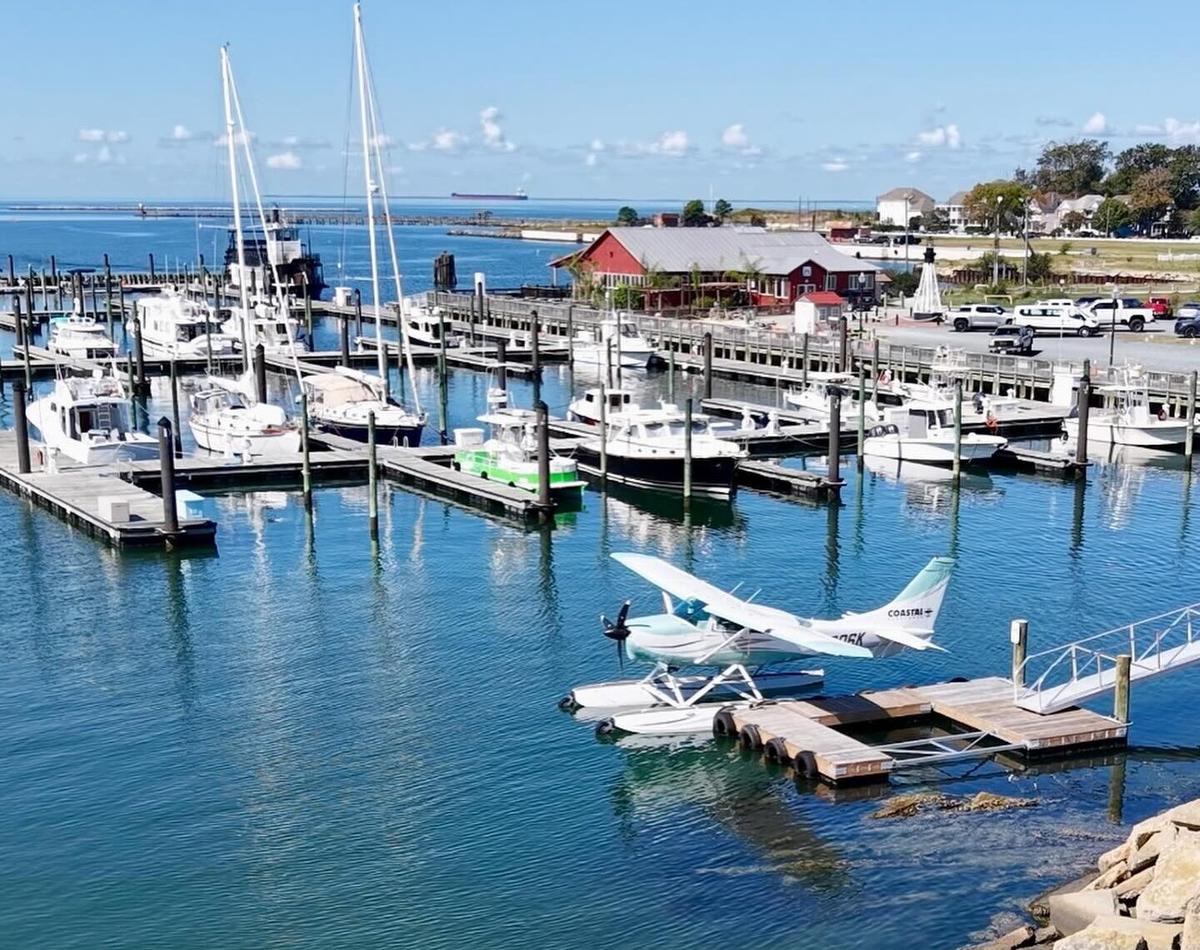
Chesapeake Bay Seaplane Proposal Draws Pushback From Maryland Residents
Why It Matters
The project could reshape tourism revenue and waterfront character while testing how small‑scale aviation integrates with busy recreational waterways. Regulatory outcomes will signal the balance between economic development and community safety in coastal regions.
Key Takeaways
- •Coastal Seaplanes proposes a mile-long “sealane” on Miles River.
- •Residents fear safety risks and congestion with existing boating traffic.
- •Yacht clubs worry seaplanes could limit recreational navigation.
- •Some locals back the plan for tourism and regional connectivity.
- •FAA approved operations; Maryland Aviation Administration approval still pending.
Pulse Analysis
The Chesapeake Bay’s historic towns have long relied on waterborne travel, but a growing demand for faster, direct access is prompting entrepreneurs like Coastal Seaplanes to explore seaplane hubs. St. Michaels, a popular destination for sailing enthusiasts and heritage tourists, represents a lucrative market where affluent visitors often seek premium experiences. By establishing a dedicated sealane, the company hopes to capture high‑margin charter bookings, linking the town to regional airports and potentially extending the tourist season beyond the traditional summer window.
Opposition centers on the practical challenges of mixing aircraft with a river already saturated by sailboats, tour vessels, and private yachts. Critics worry that take‑offs and landings could create blind spots, increase collision risk, and generate noise that disrupts the tranquil waterfront ambiance. Local stakeholders have raised these points at the Waterway Management Advisory Board, emphasizing the need for rigorous traffic coordination and possibly restricted operating hours. The pending Maryland Aviation Administration decision will likely hinge on detailed safety studies, noise assessments, and mitigation plans that address these community concerns.
If approved, the seaplane service could inject new economic vitality into St. Michaels, attracting higher‑spending travelers and supporting ancillary businesses such as hotels, restaurants, and marine services. Similar micro‑seaplane operations in other coastal regions have demonstrated modest but measurable boosts to local tourism revenues without overwhelming infrastructure. The outcome will serve as a bellwether for how small‑scale aviation can coexist with dense recreational waterways, informing future policy decisions across the Chesapeake and beyond.
Chesapeake Bay Seaplane Proposal Draws Pushback From Maryland Residents
Comments
Want to join the conversation?
Loading comments...