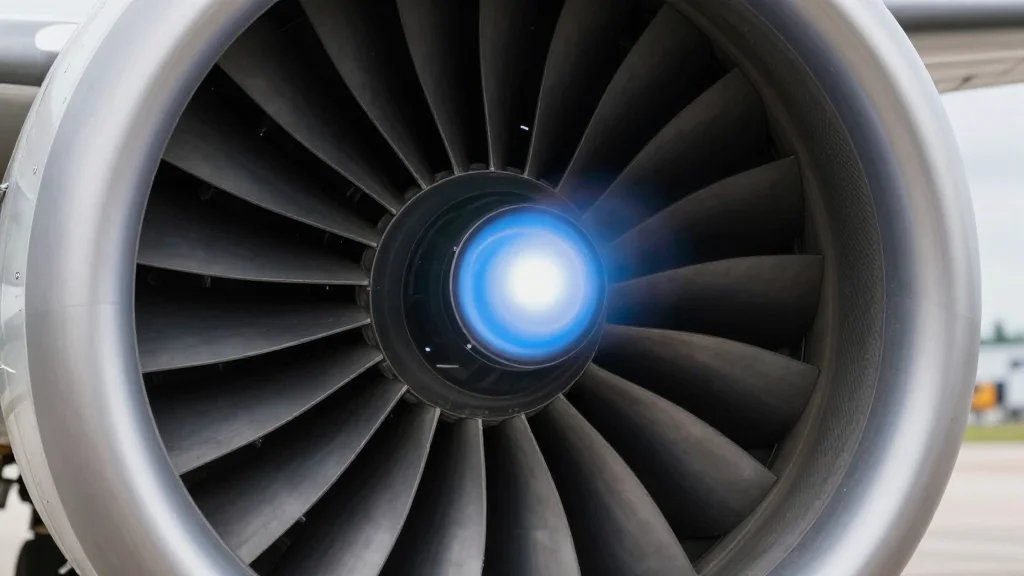
China Completes First Water‑fuelled Turboprop Test Flight, 16‑minute Demo

Companies Mentioned
Why It Matters
The successful AEP100 flight demonstrates that hydrogen combustion can be engineered to meet the power demands of turboprop aircraft, offering a potential shortcut to zero‑emission flight without redesigning entire airframes. By leveraging a familiar engine architecture, China could accelerate the rollout of hydrogen‑powered regional transport, influencing global emissions trajectories and reshaping competitive dynamics between Chinese and Western aerospace firms. Moreover, the test highlights a strategic divergence in hydrogen aviation roadmaps. If combustion‑hydrogen proves viable at scale, it could challenge the prevailing narrative that fuel cells are the sole path to sustainable flight, prompting a reassessment of R&D investments, supply‑chain development, and policy incentives worldwide.
Key Takeaways
- •AECC’s AEP100 hydrogen‑burning turboprop completed a 16‑minute, 36‑km test flight at Zhuzhou Airport on April 4.
- •The unmanned cargo aircraft weighed 7.5 tonnes, reached 300 m altitude and cruised at 220 km/h.
- •AEP100 is the first megawatt‑class water‑fuel engine to fly, using liquid hydrogen combustion rather than fuel cells.
- •China’s approach offers higher power density for larger aircraft, contrasting with Western fuel‑cell strategies.
- •Next steps include endurance testing, manned‑flight integration, and certification trials slated for later 2026.
Pulse Analysis
China’s water‑fuel turboprop test is more than a technical curiosity; it is a strategic signal. By opting for hydrogen combustion, AECC sidesteps the efficiency ceiling of fuel‑cell systems while preserving the high thrust‑to‑weight ratios that have defined turboprop success for decades. This could compress the timeline for commercial hydrogen aircraft, especially in the regional market where payload penalties from heavy cryogenic tanks are less punitive.
Historically, the aviation sector has been slow to adopt radical propulsion changes because of certification hurdles and the massive capital outlay required for new engine families. The AEP100’s successful flight suggests that a hybrid pathway—retrofitting existing airframes with hydrogen‑burning turbines—might be more palatable to regulators and airlines than a clean‑sheet electric design. If AECC can demonstrate reliable, long‑duration operation and bring costs within a competitive range, Chinese manufacturers could capture a sizable share of the emerging zero‑emission market, particularly in Asia‑Pacific countries with aggressive carbon‑neutral targets.
Western players, meanwhile, must reckon with the risk that their fuel‑cell‑centric roadmaps could be outpaced. Airbus’s 2035 target for a hydrogen‑powered commercial jet relies heavily on fuel‑cell technology, which still faces scaling challenges. The Chinese test could spur a parallel push for combustion‑hydrogen programmes in Europe and the United States, potentially leading to a bifurcated market where both technologies coexist. The ultimate winner may be the approach that delivers the lowest total cost of ownership while meeting stringent emissions standards, and the AEP100 has now entered that race.
Regulators will also play a pivotal role. Certification frameworks for hydrogen combustion are nascent, and safety concerns around cryogenic handling and high‑temperature flames must be addressed. Successful certification could unlock a cascade of infrastructure investments—hydrogen production, storage, and refueling networks—further entrenching the technology. Conversely, delays could stall momentum, giving fuel‑cell proponents a chance to consolidate.
In sum, the test flight is a litmus test for China’s broader ambition to lead the next wave of sustainable aviation. Its outcome will influence R&D allocations, supply‑chain strategies, and policy decisions across the global aerospace ecosystem over the coming decade.
China completes first water‑fuelled turboprop test flight, 16‑minute demo
Comments
Want to join the conversation?
Loading comments...