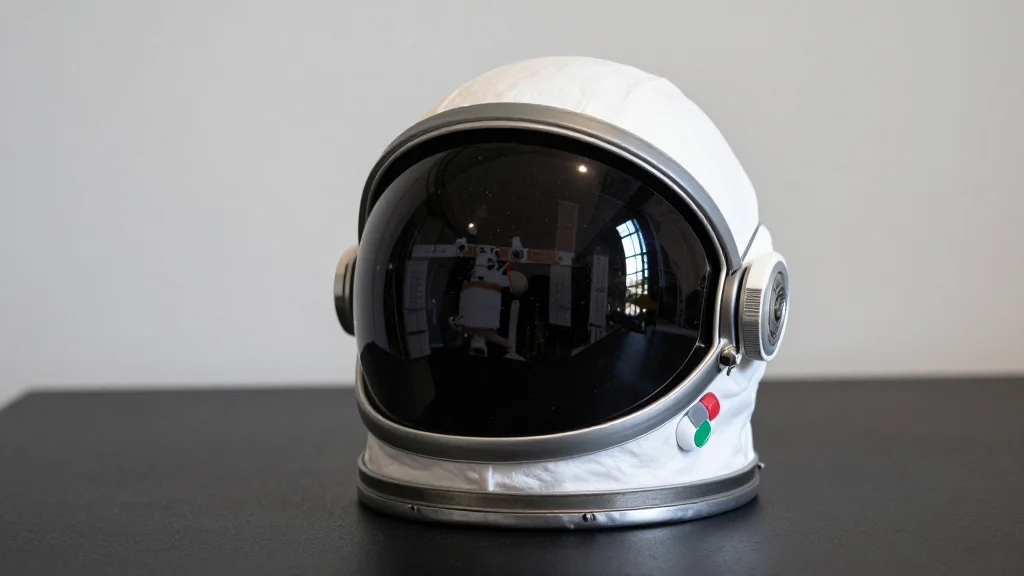
China Picks Two Pakistanis to Train for a Future Tiangong-3 Mission
Why It Matters
The partnership expands China’s space diplomacy, offering a counterweight to the U.S.-led Artemis alliance and signaling deeper strategic ties with Pakistan. It also provides China a platform to showcase international cooperation while advancing its lunar ambitions.
Key Takeaways
- •Pakistan selects two astronauts for Tiangong-3 training.
- •One trainee may fly as payload specialist on future mission.
- •Partnership supports China’s International Lunar Research Station lunar base plan.
- •China uses astronaut program to counter U.S. Artemis alliance.
- •Only 13 nations in China’s program vs 63 in Artemis.
Pulse Analysis
China’s decision to train two Pakistani astronauts for Tiangong‑3 reflects a broader strategy to weave geopolitical allies into its human‑spaceflight narrative. By positioning Muhammad Zeeshan Ali and Khurram Daud as reserve crew members, Beijing not only deepens its bilateral ties with Islamabad but also showcases the International Lunar Research Station (ILRS) as a viable alternative to the U.S.-centric Artemis program. The upcoming Chang’e‑8 mission, slated for a 2029 launch with a Pakistani rover, further cements this collaborative trajectory, signaling that China is willing to integrate foreign payloads into its lunar roadmap.
The move arrives at a time when the Artemis Accords have attracted 63 nations, creating a formidable coalition around lunar exploration standards and commercial opportunities. In contrast, China’s ILRS has secured participation from only 13 countries, predominantly developing economies. By offering astronaut seats, Beijing hopes to broaden its appeal and demonstrate that its space agenda is inclusive, albeit driven by strategic considerations. This soft‑power outreach mirrors Soviet-era practices, where allied cosmonauts were used to legitimize the USSR’s scientific prowess and ideological influence.
For U.S. policymakers and industry stakeholders, the Pakistani training program underscores the need to reinforce the attractiveness of the Artemis framework. While the technical contributions of a single payload specialist may be modest, the symbolic value of foreign crew members can sway emerging space nations toward Beijing’s orbit. As competition intensifies, the United States may need to accelerate joint missions, technology sharing, and capacity‑building initiatives to maintain leadership in the emerging era of lunar settlement and deep‑space exploration.
China picks two Pakistanis to train for a future Tiangong-3 mission
Comments
Want to join the conversation?
Loading comments...