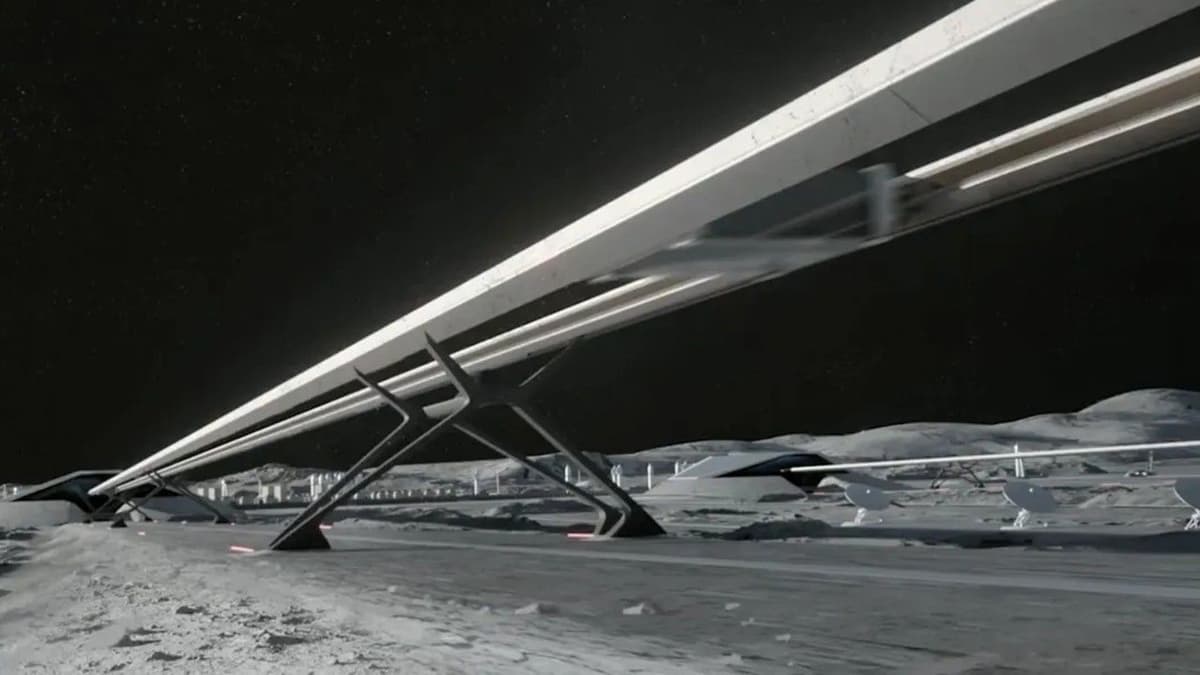
Companies Like SpaceX Want Electromagnetic Catapults on the Moon. Could They Be Used as Weapons?
Why It Matters
Mass drivers could redefine space logistics while simultaneously creating a stealthy, lunar‑based strike capability, reshaping the strategic balance in cislunar space. Early U.S. investment and rule‑making are critical to prevent an arms race beyond Earth’s current early‑warning architecture.
Key Takeaways
- •Lunar mass drivers could launch payloads without chemical rockets
- •Dual‑use nature makes them potential first‑strike weapons from the Moon
- •U.S., China, SpaceX, Auriga Space eye mid‑2030s readiness
- •UN treaty bans weapons in space, but dual‑use complicates enforcement
- •Early‑warning systems struggle to detect lunar‑based kinetic or nuclear strikes
Pulse Analysis
The idea of launching material from the lunar surface with an electromagnetic catapult—often called a mass driver—dates back to Gerard O’Neill’s 1970s vision of off‑world manufacturing. By accelerating a payload with magnetic coils, a mass driver can fling objects into space without the heavy propellant loads that dominate conventional rockets. Recent proposals from SpaceX and smaller firms such as Auriga Space and Electromagnetic Launch Inc envision factories that would produce AI‑data‑center satellites or raw ore on the Moon, dramatically lowering launch costs and enabling a high‑throughput logistics chain between the lunar surface and Earth orbit.
The American Foreign Policy Council’s new report flags the same technology as a potential first‑strike platform. Because a lunar mass driver can launch kinetic projectiles, anti‑satellite payloads, or even nuclear re‑entry vehicles from a location outside Earth’s early‑warning net, it creates a stealthy, undetectable strike capability. Both the United States and China are racing to field such systems, with Chinese lunar industrial plans already citing a 10 % cost advantage over rockets. The dual‑use nature blurs the line between civilian infrastructure and strategic weapon, complicating enforcement of the Outer Space Treaty.
Policymakers therefore face a narrow window to shape norms before the technology matures. The report urges the U.S. to accelerate development under the Artemis program, establishing a permanent presence that could serve as a de‑facto control point for any lunar mass‑driver deployment. At the same time, the international community must grapple with how to regulate dual‑use assets that are technically civilian but capable of delivering weapons. Investment now could secure a commercial advantage, but without clear rules the lunar frontier risks becoming the next arena for strategic instability.
Companies like SpaceX want electromagnetic catapults on the moon. Could they be used as weapons?
Comments
Want to join the conversation?
Loading comments...