Computer Vision Automated Landing and Embedded AI for Tomorrow’s Cockpits
Companies Mentioned
Why It Matters
The system could open autoland capabilities to remote or under‑equipped airports, expanding operational flexibility and safety while lowering reliance on costly ground‑based navigation aids. For airlines and regulators, this represents a strategic shift toward AI‑driven, infrastructure‑light aviation.
Key Takeaways
- •Airbus demoing Vision Landing at VivaTech, showcasing AI‑driven runway detection
- •Vision Landing aims to enable autoland at airports lacking ILS/GBAS
- •Optimate integrates vision, edge‑AI, and digital flight assistant for gate‑to‑gate automation
- •Embedded AI must meet certification limits on power, compute, and code visibility
- •Research roadmap includes ATTOL (2018), DragonFly (2020) and Optimate (2023‑24)
Pulse Analysis
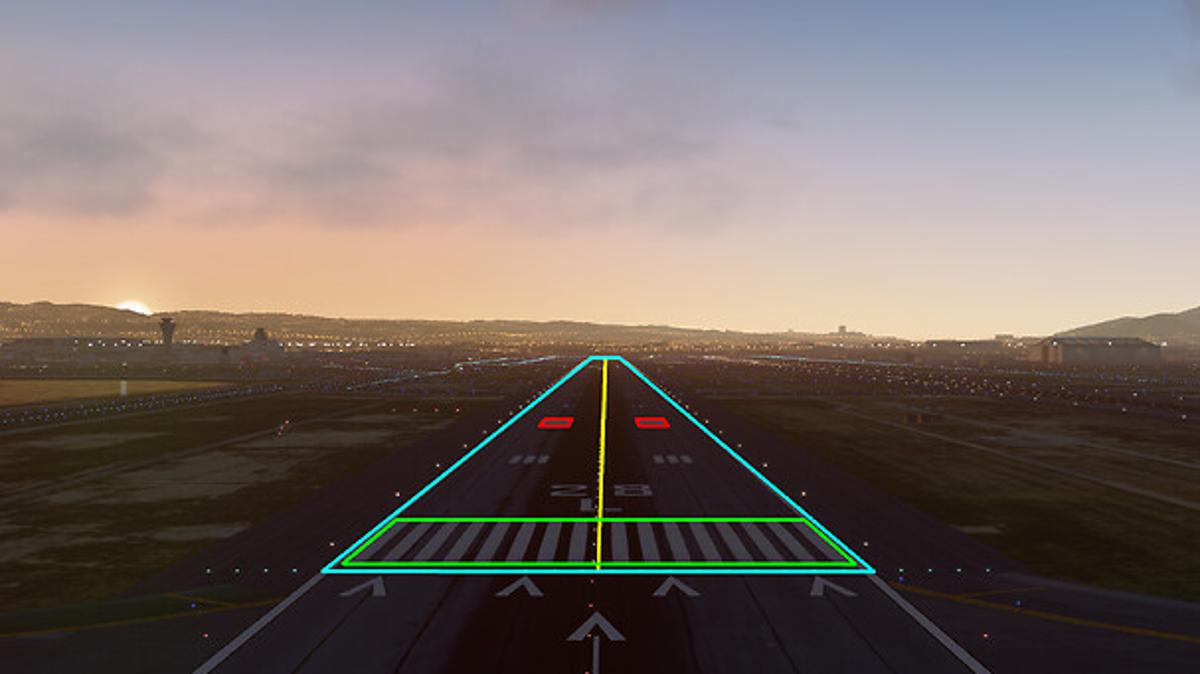
The aviation sector is rapidly embracing computer‑vision technologies to overcome the limitations of legacy navigation aids such as ILS, SBAS and GBAS. Traditional ground‑based systems demand extensive infrastructure and are vulnerable to signal interference, prompting manufacturers to explore onboard sensors that can independently map runways. Airbus, a long‑time pioneer in autonomous flight research, has leveraged a series of demonstrators—ATTOL, DragonFly, Auto’Mate—to refine image‑recognition algorithms capable of operating under adverse weather and GNSS‑denied conditions.
At VivaTech 2024, Airbus will showcase the Vision Landing Application, a real‑time edge‑AI solution that processes high‑resolution video streams to identify runway markings, taxiway edges and moving obstacles. Coupled with the Optimate demonstrator, the system integrates trajectory‑protection models, anti‑collision safeguards and a virtual flight assistant that translates ATC clearances into actionable commands. This gate‑to‑gate automation framework promises to reduce pilot workload, improve landing resilience on remote airstrips, and streamline operations for airlines seeking to serve underserved markets without investing in costly ground infrastructure.
Despite its promise, embedding AI in aircraft poses stringent certification challenges. Aerospace hardware must operate within tight power budgets, and every line of code requires exhaustive verification to satisfy regulators. Airbus’ European research hub is addressing these hurdles by standardising hardware behaviour and establishing transparent software pipelines. If successful, the technology could reshape commercial aviation economics, enabling airlines to expand route networks while enhancing safety—a compelling proposition for investors, regulators, and the broader aerospace ecosystem.
Computer vision automated landing and embedded AI for tomorrow’s cockpits
Comments
Want to join the conversation?
Loading comments...