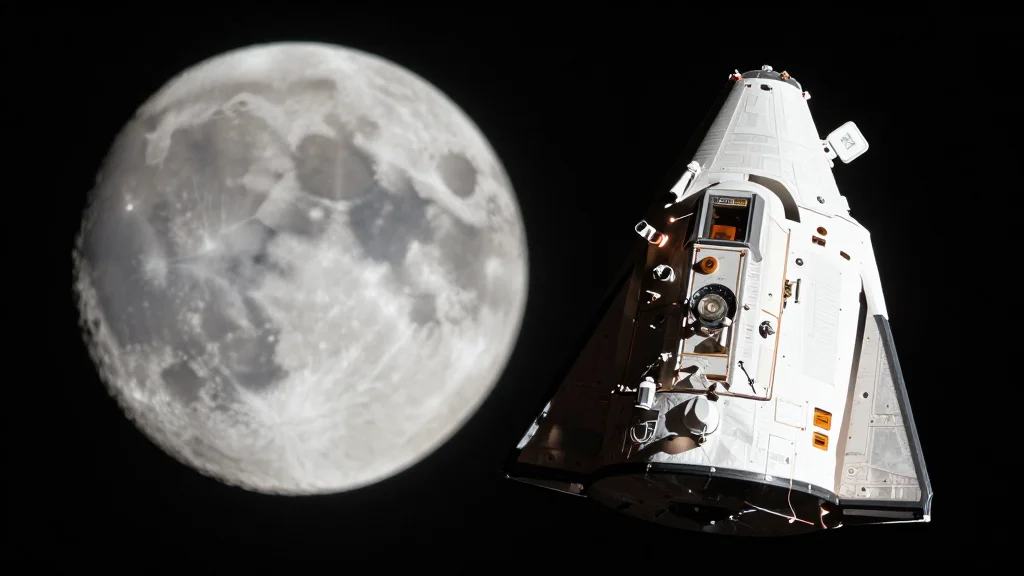
Congressional Leaders Laud NASA Moon Plans, But Fight Intensifies over Science Funding
Why It Matters
The budget fight threatens the pipeline of scientific talent and innovation that underpins U.S. economic leadership, while regulatory clarity is essential for the booming commercial launch sector.
Key Takeaways
- •Artemis II showcased successful public‑private partnership for lunar missions
- •NASA FY2027 budget request cuts total spending to $18.8 B
- •Science portfolio faces steep reductions, threatening academic research funding
- •Congressional leaders pledge to reject cuts, emphasizing STEM and competitiveness
- •GAO study on FAA Part 450 aims to streamline launch licensing
Pulse Analysis
The Artemis II mission, a ten‑day lunar flyby, has become a showcase for how government and industry can collaborate to achieve ambitious space goals. By leveraging commercial propulsion, materials, and software, NASA demonstrated a model that reduces costs and accelerates timelines, reinforcing the United States’ leadership in deep‑space exploration. This partnership not only fuels the next steps toward a sustainable lunar presence but also sets the stage for future Mars missions, making the program a cornerstone of national security and technological advancement.
However, the administration’s FY 2027 budget proposal threatens to undercut that momentum. With NASA’s total allocation trimmed to $18.8 billion—about a quarter less than the $24.4 billion funded this year—the most severe reductions target the agency’s science portfolio, including Earth‑science and university‑based research. Lawmakers argue that such cuts would erode the academic pipeline that trains future engineers and astronauts, weaken the nation’s innovation engine, and cede ground to rivals like China, which continues to pour resources into its own space and research programs. The debate underscores a broader tension between fiscal restraint and the strategic need to sustain a robust STEM ecosystem.
In response, bipartisan leaders on the House Science, Space, and Technology Committee are mobilizing to protect NASA’s core capabilities. Rep. Brian Babin and Rep. Zoe Lofgren have pledged to reject the proposed cuts and have commissioned a GAO review of the FAA’s Part 450 launch‑licensing framework. The study aims to streamline approvals, ensuring that regulatory processes keep pace with the rapid growth of commercial launch activity. By safeguarding both funding and a clear regulatory path, Congress hopes to maintain America’s competitive edge in space while fostering the next generation of scientific talent.
Congressional Leaders Laud NASA Moon Plans, But Fight Intensifies over Science Funding
Comments
Want to join the conversation?
Loading comments...