Aerospace News and Headlines
  • All Technology
  • AI
  • Autonomy
  • B2B Growth
  • Big Data
  • BioTech
  • ClimateTech
  • Consumer Tech
  • Crypto
  • Cybersecurity
  • DevOps
  • Digital Marketing
  • Ecommerce
  • EdTech
  • Enterprise
  • FinTech
  • GovTech
  • Hardware
  • HealthTech
  • HRTech
  • LegalTech
  • Nanotech
  • PropTech
  • Quantum
  • Robotics
  • SaaS
  • SpaceTech
AllNewsDealsSocialBlogsVideosPodcastsDigests

Aerospace Pulse

EMAIL DIGESTS

Daily

Every morning

Weekly

Sunday recap

NewsDealsSocialBlogsVideosPodcasts
AerospaceNewsDelta Air Lines Grows Airbus Fleet with Order for 31 Additional Widebody Aircraft
Delta Air Lines Grows Airbus Fleet with Order for 31 Additional Widebody Aircraft
Aerospace

Delta Air Lines Grows Airbus Fleet with Order for 31 Additional Widebody Aircraft

•February 10, 2026
0
Airbus – Newsroom
Airbus – Newsroom•Feb 10, 2026

Companies Mentioned

Airbus

Airbus

Rolls-Royce Motor Cars

Rolls-Royce Motor Cars

RR

Why It Matters

The expanded fleet boosts Delta’s ability to serve growing intercontinental demand while delivering significant cost and emissions savings, reinforcing its competitive position in a tightening market.

Key Takeaways

  • •Delta orders 16 A330‑900 and 15 A350‑900 aircraft
  • •Fleet will total 55 A330neo and 79 A350s
  • •New jets promise 25% lower fuel burn and emissions
  • •Supports Delta’s international expansion and premium cabin strategy
  • •Airbus aims 100% SAF compatibility by 2030

Pulse Analysis

Delta’s latest order underscores a strategic pivot toward modern, fuel‑efficient wide‑bodies as airlines grapple with rising fuel prices and tighter margins. By choosing the A330‑900neo and A350‑900, Delta aligns with a broader industry shift away from older Boeing models, capitalizing on Airbus’s proven track record for reliability and lower lifecycle costs. The timing also reflects Delta’s confidence in its partnership with Airbus, which now supplies over 500 of the carrier’s aircraft across multiple families, reinforcing a diversified fleet that can adapt to fluctuating demand.

The technical merits of the A330neo and A350 are central to Delta’s business case. Both aircraft feature Rolls‑Royce Trent 7000 engines that deliver roughly a 25% reduction in fuel burn and CO₂ emissions compared with previous‑generation competitors. This efficiency translates into lower per‑seat operating costs, enabling Delta to offer more competitive fares on long‑haul routes while preserving margin. Additionally, the aircraft’s Airspace cabin delivers a premium passenger experience, supporting Delta’s strategy to differentiate its service offering in the crowded trans‑Atlantic and Asia‑Pacific markets.

Beyond immediate financial benefits, the order advances Delta’s sustainability agenda. The ability to run on up to 50% sustainable aviation fuel today—and Airbus’s roadmap toward 100% SAF capability by 2030—positions Delta to meet stricter regulatory standards and growing consumer expectations for greener travel. As airlines worldwide intensify their focus on ESG metrics, Delta’s expanded Airbus fleet could serve as a benchmark for integrating operational efficiency with environmental responsibility, potentially influencing future fleet decisions across the sector.

Delta Air Lines grows Airbus fleet with order for 31 additional widebody aircraft

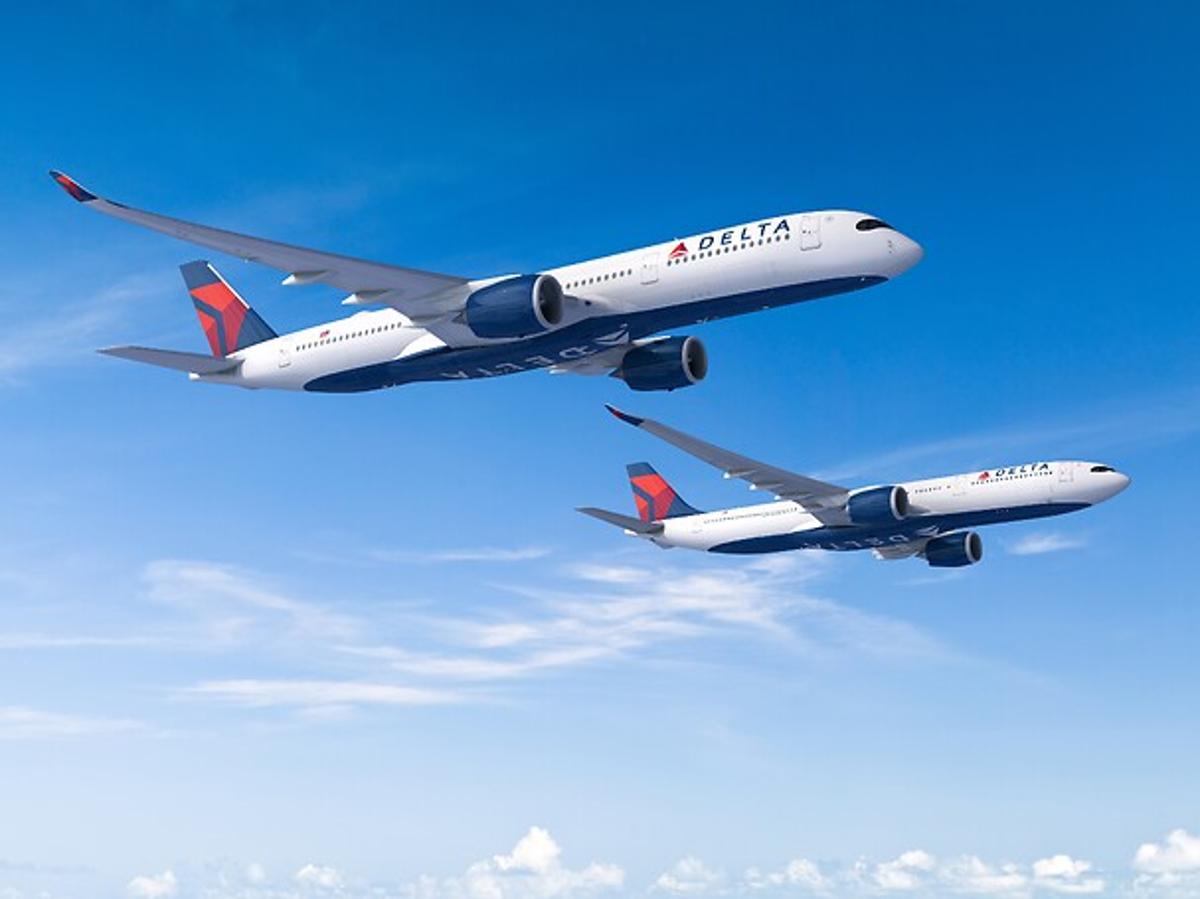
Toulouse, France, 28 January 2026 – Delta Air Lines has placed a firm order for 31 latest‑generation aircraft, including 16 A330‑900s and 15 A350‑900s. Once delivered, Delta’s wide‑body fleet will have grown to 55 A330neo and 79 A350s.

“As we grow our international footprint and prepare our fleet to serve expanded long‑haul markets, these aircraft will enhance our capabilities and elevate our premium offerings,” said Ed Bastian, Chief Executive Officer. “We value our long‑standing partnership with Airbus, and with these wide‑body aircraft we will see additional operational efficiencies and long‑term cost benefits in the years to come.”

“Delta’s renewed confidence in both the A330neo and the A350 is a testament to our enduring partnership and the excellence of the Airbus wide‑body family performance,” said Benoît de Saint‑Exupéry, Airbus EVP Sales of the Commercial Aircraft business. “These aircraft offer the range, capacity, and premium cabin experience Delta requires to grow into new markets and connect more of the world.”

Delta Air Lines currently operates more than 500 Airbus aircraft from all of the Airbus product families, from the A220 to the A350‑900. Delta’s current Airbus backlog is around 200 aircraft and includes the A350‑1000.

Powered by the latest‑generation Rolls‑Royce Trent 7000 engines, the A330neo is designed to fly up to 8 100 nautical miles (15 000 km) non‑stop and reduces fuel burn, CO₂ emissions and operating cost by 25 % compared with previous‑generation competitor aircraft. The A350 is the world’s most modern wide‑body aircraft, designed to fly up to 9 700 nautical miles (18 000 km) non‑stop, setting new standards for intercontinental travel. The aircraft incorporates state‑of‑the‑art technologies and aerodynamics, delivering unmatched efficiency and comfort. Its latest‑generation Rolls‑Royce engines and use of lightweight materials provide a 25 % advantage in fuel burn, operating costs and CO₂ emissions versus previous‑generation competitors.

The A330neo and A350’s unique Airspace cabin offers passengers and crews the latest modern in‑flight products for a comfortable flying experience.

As with all Airbus aircraft, the A330neo and the A350 are able to operate with up to 50 % Sustainable Aviation Fuel (SAF). Airbus is targeting to have its aircraft up to 100 % SAF‑capable by 2030.

At the end of December 2025, the A350 family had won over 1 500 orders from 67 customers and the A330 family had won over 1 900 orders worldwide.

Read Original Article
0

Comments

Want to join the conversation?

Loading comments...