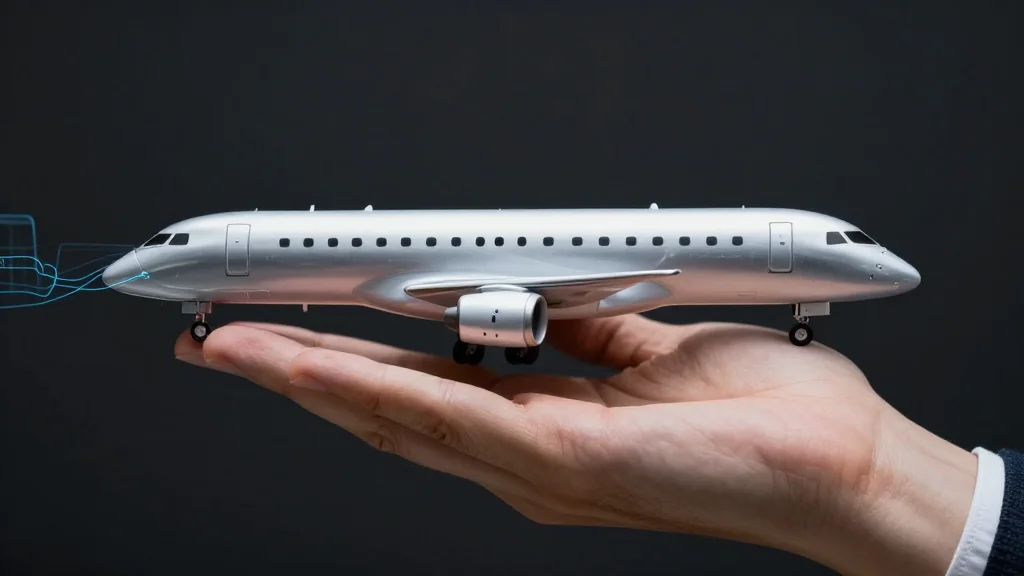
Engineer of Tomorrow Central to Embraer’s Future
Companies Mentioned
Why It Matters
By aligning talent development with cutting‑edge digital tools and sustainability goals, Embraer shortens product cycles, reduces emissions, and strengthens its competitive position across commercial, executive, and defense aerospace markets.
Key Takeaways
- •Embraer employs 4,200 engineers, centered at its U.S. Engineering & Technology Center
- •Six innovation priorities include zero‑emission propulsion, AI, and Industry 5.0 manufacturing
- •Model‑based development shortens cycles, integrates AI, and boosts safety
- •Eve eVTOL relies on Embraer engineers for vehicle and service platform
Pulse Analysis
Embraer’s recent remarks underscore a strategic shift that places engineering talent at the heart of its growth story. By defining the "Engineer of Tomorrow" as a blend of deep technical skill, system‑level business insight, and interpersonal acumen, the company is building a workforce capable of navigating the complexity of modern aircraft programs. The 4,200‑strong global engineering cohort, anchored by the Melbourne, Florida Engineering & Technology Center, serves as a crucible for cross‑disciplinary collaboration, ensuring that design, manufacturing, and service teams speak a common language.
The firm’s embrace of full collaborative model‑based development represents a decisive move toward digital twins and AI‑enhanced simulation. This methodology lets engineers evaluate entire aircraft configurations in a virtual environment, cutting development timelines and delivering more precise performance data. Coupled with a robust data pipeline that feeds flight‑test results back into the models, Embraer can iterate faster, improve safety margins, and meet stringent emissions targets. Its net‑zero‑by‑2050 roadmap leverages sustainable aviation fuel, electric propulsion for 10‑12‑seat aircraft, and hydrogen‑fuel‑cell concepts for regional jets, reflecting a multi‑pronged approach to decarbonization.
The broader market implications are significant. Embraer’s six innovation pillars—spanning zero‑emission tech, autonomous operations, AI, Industry 5.0 manufacturing, and passenger experience—position it as a challenger to legacy OEMs in both traditional and emerging segments like eVTOL. The Eve platform, though spun off, remains tightly integrated with Embraer’s engineering resources, accelerating urban air mobility development. As regulators and airlines prioritize sustainability and efficiency, Embraer’s talent‑centric, digitally driven model offers a blueprint for the aerospace industry’s next decade.
Engineer of Tomorrow Central to Embraer’s Future
Comments
Want to join the conversation?
Loading comments...