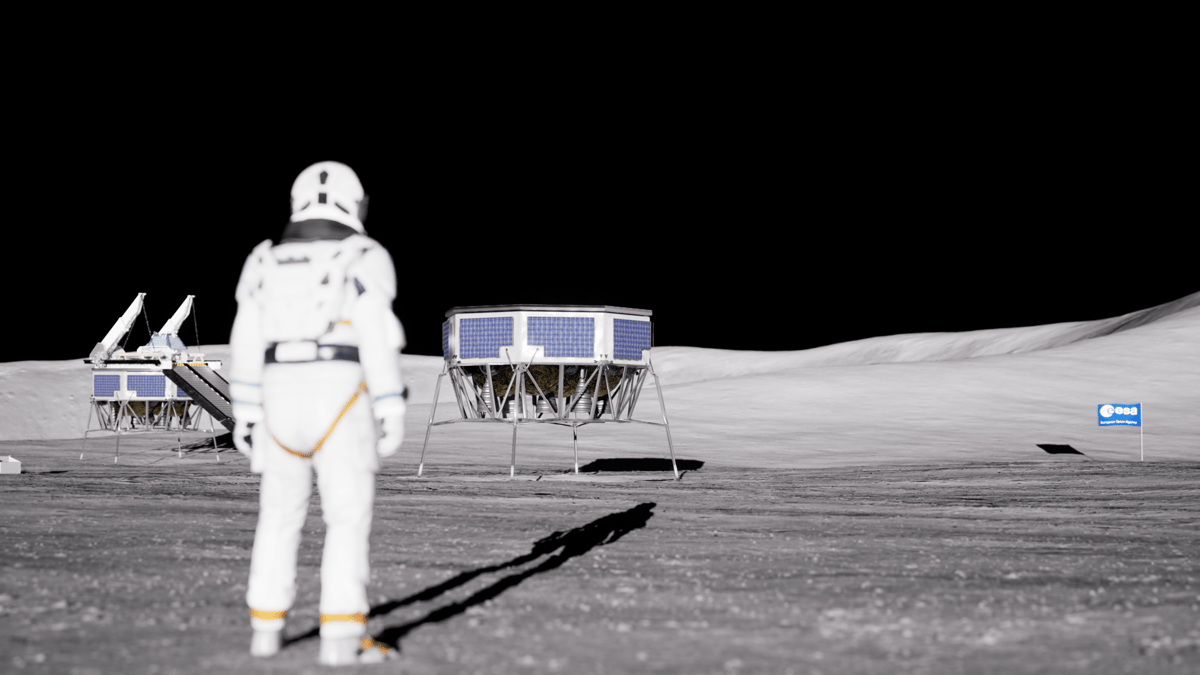
Extended Reality at ESA Opens New Pathways for Space Exploration
Why It Matters
By standardizing XR tools and fostering a shared development ecosystem, ESA lowers entry barriers for innovators and accelerates immersive training, design and public outreach in the space sector. This could reshape how missions are planned, executed and communicated, driving cost efficiencies and broader stakeholder engagement.
Key Takeaways
- •ESA launches XR Competence Centre to centralize space XR development
- •ESA XR Plugin offers Unreal Engine SDK for commercial and academic use
- •XR Lab creates astronaut training simulations for ISS operations
- •Upcoming XR Universe will enable multi‑user collaborative design reviews
- •Biannual ESA XR Conference fosters industry‑academic knowledge exchange
Pulse Analysis
Extended reality is moving from niche experiments to a core capability at the European Space Agency. The newly created XR Competence Centre serves as a hub for cross‑border collaboration, consolidating expertise from 22 member states. Its flagship offering, the ESA XR Plugin, provides a ready‑made Unreal Engine and OpenXR stack that developers can customize while retaining full commercial rights. By making the SDK freely available to startups, universities and even high‑school students, ESA is seeding a pipeline of innovative applications that can be rapidly transitioned into operational use.
Training and mission support are immediate beneficiaries of this push. ESA’s XR Lab, part of the European Astronaut Centre, leverages mixed‑reality simulations to rehearse ISS layout navigation, robotic‑arm operations and spacewalk procedures. Astronauts can practice complex tasks hands‑free, maintain physical fitness through immersive exercise modules, and even share virtual moments with family. These realistic rehearsals reduce on‑orbit risk and cut costly training time, illustrating how XR can enhance both safety and efficiency for human spaceflight.
Looking ahead, the upcoming XR Universe will allow multiple users to inhabit shared virtual environments for design reviews, scientific analysis and Earth‑observation decision‑making. After internal testing, the platform will open to the public, expanding outreach and education. Coupled with the biennial ESA XR Conference, which draws industry leaders, researchers and developers, the agency is building a vibrant XR ecosystem that promises new commercial opportunities, faster technology adoption, and a more engaging narrative for the public about space exploration.
Extended Reality at ESA opens new pathways for space exploration
Comments
Want to join the conversation?
Loading comments...