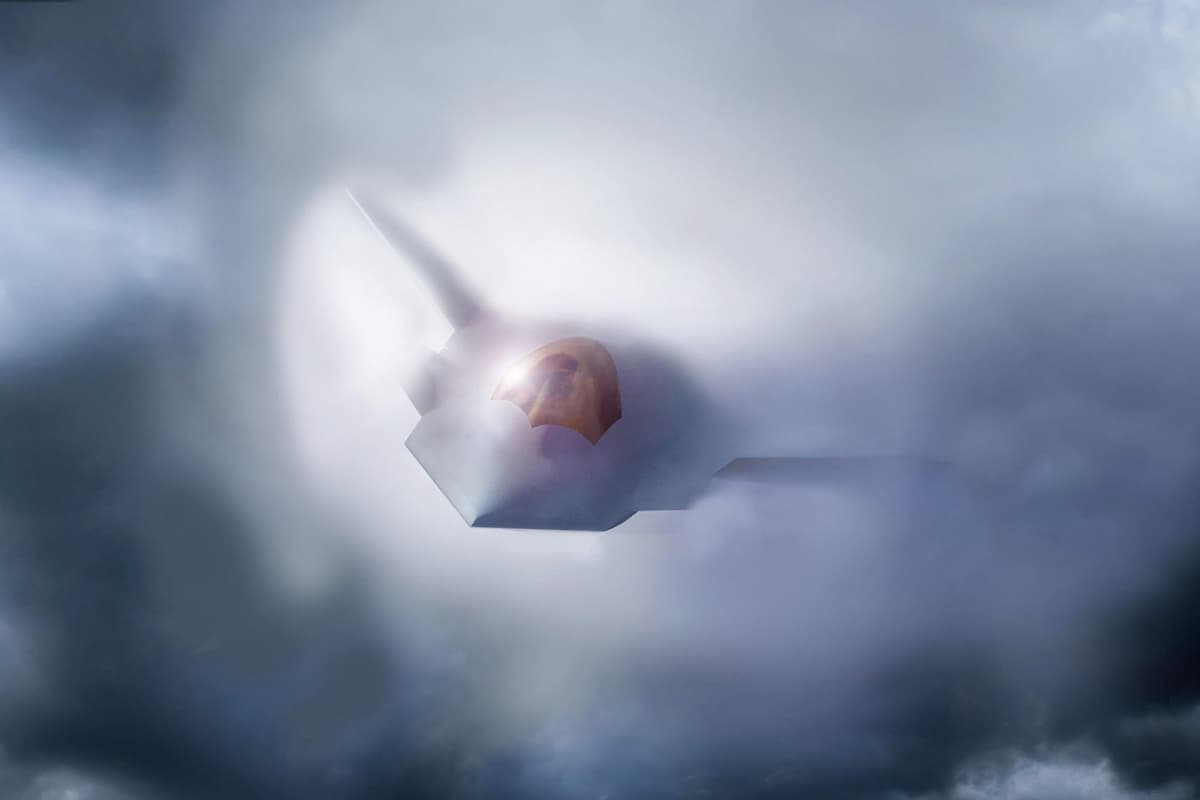
F-47 Still ‘Doing Exceptionally Well,’ on Track for 2028 Flight
•February 26, 2026
0
Why It Matters
Accelerated delivery of a high‑performance air‑dominance platform strengthens U.S. deterrence and may reshape future fighter procurement strategies.
Key Takeaways
- •F‑47 first flight scheduled for 2028
- •Boeing on track, personnel ramp successful
- •Combat radius exceeds 1,000 nm, speeds over Mach 2
- •More than 185 aircraft planned, may exceed fleet
- •Development timeline faster than legacy F‑22 program
Pulse Analysis
The F‑47 represents the Air Force’s most ambitious leap in air‑dominance capability since the F‑22 entered service. By targeting a first flight in 2028, the program compresses a development cycle that once spanned a decade into just three years after contract award. This accelerated timeline is driven by early investment in X‑plane prototypes during the 2010s, giving Boeing a substantial head start that translates into a combat radius exceeding 1,000 nautical miles—nearly double that of the F‑22—and sustained Mach 2+ performance. Such specifications promise to extend the reach and survivability of U.S. air power in contested environments.
Boeing’s execution has been a focal point of the program’s success. Gen. Dale White highlighted the company’s effective personnel ramp‑up, a critical factor in meeting aggressive milestones while navigating recent commercial setbacks, including the KC‑46 Pegasus challenges. By allocating dedicated engineering and production teams early, Boeing has mitigated typical program delays associated with new fighter development. This disciplined approach not only safeguards the 2028 flight target but also signals to defense stakeholders that the contractor can balance legacy platform support with cutting‑edge innovation.
Strategically, the F‑47’s rapid rollout could reshape the Air Force’s force structure and budgeting priorities. With plans for at least 185 units—potentially exceeding the current F‑22 count—the service aims to maintain air‑superiority dominance well into the 2040s. The aircraft’s extended range and speed will enhance strike options across the Indo‑Pacific and European theaters, reinforcing deterrence against peer competitors. Moreover, the program’s swift progress may set a new benchmark for future acquisition models, encouraging faster fielding of advanced technologies while controlling lifecycle costs.
F-47 Still ‘Doing Exceptionally Well,’ on Track for 2028 Flight
0
Comments
Want to join the conversation?
Loading comments...