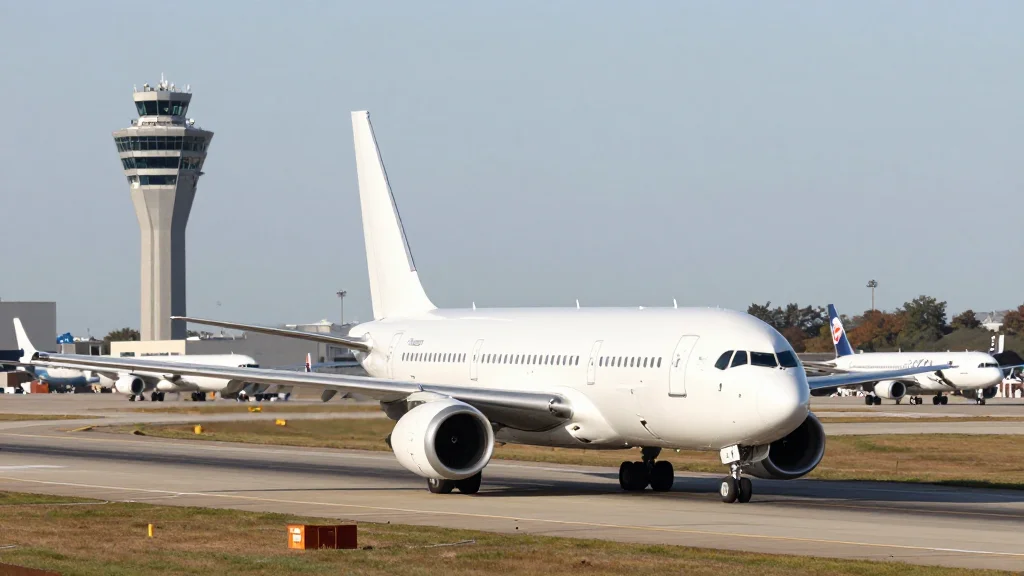
FAA Caps O’Hare Summer Flights at 2,708 Daily, Cutting Up to 400

Companies Mentioned
Why It Matters
Limiting O’Hare’s daily flights directly affects the nation’s busiest hub, shaping airline revenue, passenger experience, and the broader U.S. air‑traffic system. By curbing an unsustainable surge, the FAA aims to improve on‑time performance, reduce cascading delays, and protect safety – outcomes that ripple through the national economy, given O’Hare’s role as a major cargo and connection point. The decision also highlights the pressure on legacy infrastructure amid rising demand, prompting renewed calls for accelerated modernization funding. For airlines, the cap forces a strategic re‑allocation of slots, potentially reshaping route networks and pricing structures. Travelers benefit from more reliable service but lose some flexibility, especially on high‑traffic days. The episode may set a precedent for regulatory caps at other congested airports, influencing how the industry balances growth with operational limits.
Key Takeaways
- •FAA limits O’Hare to 2,708 daily takeoffs and landings from May 17‑Oct. 24, cutting ~300‑400 flights.
- •Original summer schedule called for >3,080 flights, a 14.9% rise over last summer.
- •Transportation Secretary Sean Duffy emphasized reducing endless delays and cancellations.
- •FAA Administrator Bryan Bedford cited safety as the top priority for the cap.
- •American and United airlines each pledged to adjust schedules, with United likely cutting >200 flights per day.
Pulse Analysis
The FAA’s summer cap at O’Hare is a rare instance of direct regulatory throttling of capacity at a major U.S. hub. Historically, the agency has relied on market forces and incremental infrastructure upgrades to manage congestion. This decisive move reflects a shift toward proactive demand management, driven by acute safety concerns and a record of sub‑60% on‑time performance. In the short term, airlines will likely prioritize high‑yield routes, potentially raising fares on constrained flights while trimming lower‑margin services. The cap also intensifies the ongoing gate‑space rivalry between United and American, which could accelerate consolidation of hub operations or spur new partnership models to maximize limited slots.
Long‑term, the episode underscores the urgency of completing the ORDNext program and other runway‑expansion projects. Without substantial capacity gains, O’Hare may face recurring caps, eroding its competitive edge against other major hubs like Atlanta and Dallas‑Fort Worth. Moreover, the FAA’s willingness to impose caps could embolden other regulators worldwide to adopt similar measures when infrastructure lags behind demand, reshaping the global airline scheduling playbook.
For passengers, the cap promises a more predictable travel experience this summer, but the trade‑off is reduced flexibility and possible fare hikes. As airlines recalibrate, the market will reveal whether the cap merely postpones a larger capacity crisis or serves as a catalyst for accelerated investment in air‑traffic control technology, runway extensions, and terminal modernization.
FAA Caps O’Hare Summer Flights at 2,708 Daily, Cutting Up to 400
Comments
Want to join the conversation?
Loading comments...