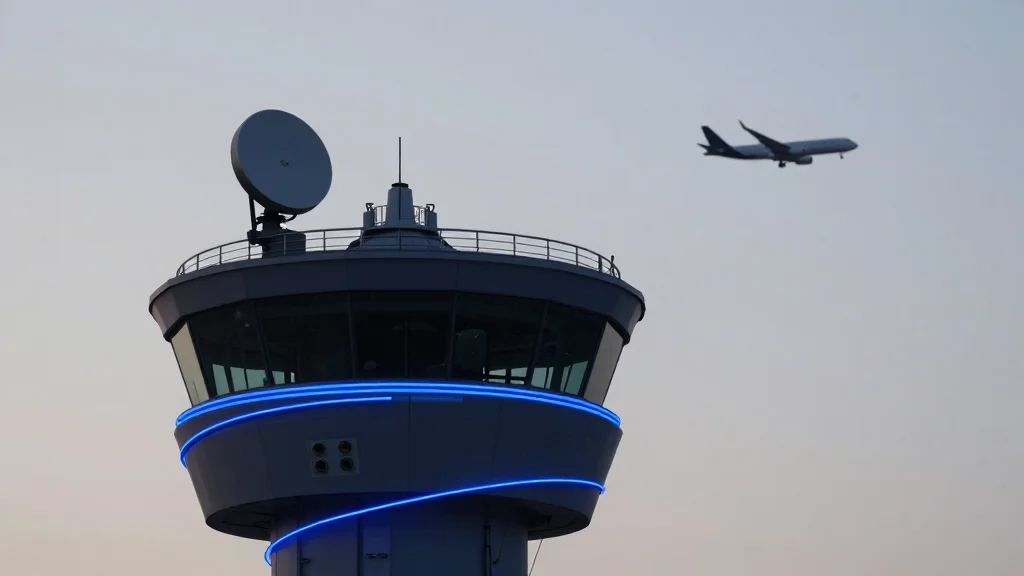
FAA Launches Biggest ATC Modernization Since the Jet Age, Adding Fiber Optics and Digital Strips

Why It Matters
The FAA’s upgrade addresses two intertwined challenges: aging infrastructure that threatens reliability, and a looming controller shortage that could limit capacity as air travel rebounds post‑pandemic. By moving to fiber‑optic communications and digital flight strips, the United States will align its ATC network with global best practices, reducing latency and error rates that directly affect safety. Simultaneously, the aggressive recruitment campaign seeks to replenish a workforce that is essential for managing an increasingly congested sky. If successful, the modernization could set a new benchmark for other nations grappling with similar legacy systems, potentially spurring international collaboration on next‑generation air‑traffic‑management standards. Conversely, any delay or shortfall in staffing could blunt the benefits of the technology, underscoring the need for a holistic approach that couples hardware upgrades with robust human‑resource strategies.
Key Takeaways
- •FAA to replace >50% of 1960s copper wiring with high‑speed fiber‑optic lines.
- •More than 3,000 radios upgraded; >20,000 new radios scheduled by 2028.
- •600+ legacy radars to be swapped for modern units, improving separation.
- •89 control towers will adopt digital flight strips by end‑2028.
- •Record recruitment drive yielded 8,004 applicants in 13 hours, 7,252 qualified.
Pulse Analysis
The FAA’s modernization represents a watershed moment for U.S. aviation, but its success hinges on synchronizing technology deployment with human capital development. Historically, major ATC upgrades—such as the 1990s radar modernization—stalled due to budget overruns and insufficient training pipelines. This time, the agency’s dual focus on infrastructure and recruitment signals a more integrated strategy, yet the rapid influx of applicants may mask deeper retention challenges. The video‑game‑centric outreach is innovative, but without sustained mentorship and career‑path clarity, the pipeline could thin out once the novelty fades.
From a market perspective, the upgrade opens lucrative opportunities for defense contractors, telecom firms, and software vendors. Companies like Peraton, Raytheon and Lockheed Martin stand to win multi‑billion‑dollar contracts for fiber‑optic deployment, radar systems, and digital strip software. The ripple effect may also accelerate the rollout of satellite‑based navigation and remote‑tower technologies, reshaping the competitive landscape for next‑gen ATC solutions. Investors should watch the FAA’s procurement announcements closely, as they will likely set the tone for aerospace technology spending through the late 2020s.
Looking ahead, the modernization could act as a catalyst for broader reforms, including the integration of unmanned aerial systems into controlled airspace and the adoption of AI‑driven traffic‑flow optimization. If the FAA can demonstrate measurable safety and efficiency gains, it may pave the way for Congress to approve additional funding for advanced concepts like free‑flight corridors and nationwide data‑link standards. The stakes are high: a modern, resilient ATC system is essential not only for commercial airlines but also for the burgeoning urban air‑mobility sector that promises to redefine regional transportation.
FAA Launches Biggest ATC Modernization Since the Jet Age, Adding Fiber Optics and Digital Strips
Comments
Want to join the conversation?
Loading comments...