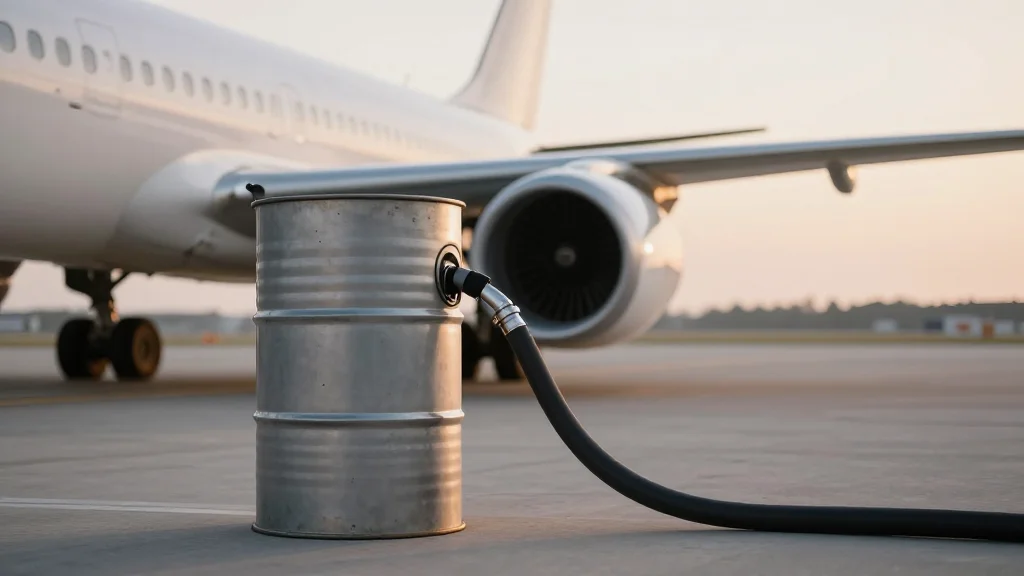
Fares Are Going to Have to Rise Quickly

Key Takeaways
- •Iran closed Strait of Hormuz, tightening global oil supply
- •Jet fuel prices topped $3.60 per gallon, up 50%
- •Airlines face over 10% rise in operating expenses
- •Capacity cuts and fare hikes become likely near‑term tools
- •Small carriers risk bankruptcy without robust fuel‑hedging strategies
Pulse Analysis
The latest flare‑up in the Middle East has reignited a familiar risk vector for the airline sector: volatile energy markets. Iran’s decisive move to block the Strait of Hormuz—a chokepoint for roughly a quarter of global oil shipments—has constrained supply and pushed Brent crude past $85 per barrel. Because jet fuel tracks crude with a premium, U.S. gasoline‑grade jet fuel has surged past $3.60 per gallon, a level not seen since the 2022‑23 price spikes. This price shock arrives at a time when many carriers have unwound fuel‑hedging contracts, leaving them exposed to spot‑market volatility.
Airlines now confront a stark cost‑increase dilemma. For Southwest, fuel accounted for 19 % of operating expenses in 2025; a jump to current jet‑fuel levels translates into an additional $2.7 billion in annual outlays, pushing the expense ratio beyond 20 %. Larger carriers such as Delta can absorb some shock through scale and diversified revenue streams, but smaller or regionally focused airlines lack that cushion. The inability to hedge effectively magnifies the impact, turning a temporary price surge into a structural profitability threat. Analysts therefore expect airlines to revisit their cost‑management playbooks, emphasizing operational efficiency and revenue‑maximizing tactics.
Strategically, the industry is likely to respond with capacity trimming and fare adjustments. Reducing seat inventory on routes that traverse the Middle East or are fuel‑intensive helps offset higher per‑seat costs, while fare hikes protect margins but risk dampening demand. For carriers already operating thin, the pressure could accelerate consolidation or force exits from marginal markets. In the longer view, sustained high fuel prices may reshape network planning, prompting a shift toward more fuel‑efficient aircraft and renewed interest in alternative fuels. Stakeholders should monitor geopolitical developments and OPEC output decisions, as any de‑escalation could quickly reverse the cost curve, but the current trajectory suggests airlines must prepare for an extended period of elevated fuel expenses.
Fares Are Going to Have to Rise Quickly
Comments
Want to join the conversation?