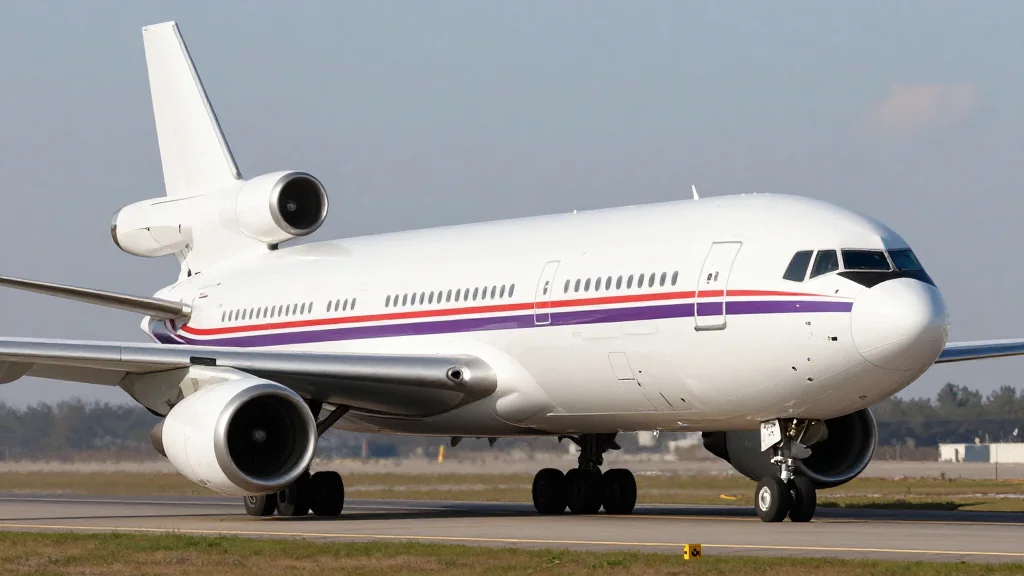
FedEx to Return MD-11 Cargo Jets After Six-Month Grounding, Restoring Capacity

Why It Matters
The MD-11 is a workhorse for long‑haul cargo, and its temporary loss reduced global freight capacity at a time when e‑commerce demand remains strong. Restoring the fleet not only helps FedEx recoup lost revenue but also stabilizes supply chains that rely on its extensive network. Moreover, the FAA’s decision on the new bearing will signal how regulators balance safety with operational continuity for legacy aircraft. The episode also highlights the lingering risks of aging fleets and the importance of proactive component monitoring. Boeing’s involvement in producing a validated replacement part could influence future OEM‑carrier collaborations on safety retrofits, potentially extending the service lives of other out‑of‑production freighters.
Key Takeaways
- •FedEx plans to resume MD-11 flights in May after a six‑month grounding.
- •A new bearing, tested by Boeing, addresses the fatigue‑crack issue.
- •Grounding cost FedEx $145 million in lost operating income and an expected $55 million additional drag.
- •FedEx operates 34 MD-11 freighters, the largest U.S. fleet of the type.
- •UPS wrote off $137 million and retired its 26 MD-11s after a fatal crash.
Pulse Analysis
FedEx’s decision to bring the MD-11 back into service underscores a strategic gamble: the carrier is betting that a targeted engineering fix can safely extend the life of an aging platform without triggering further regulatory hurdles. Historically, airlines have retired the MD-11 in favor of newer, more fuel‑efficient models, but the aircraft’s unique payload‑range profile remains unmatched for certain high‑value routes. By investing in a bespoke bearing solution, FedEx avoids the capital expense of acquiring new long‑range freighters while preserving capacity that competitors may struggle to match.
From a market perspective, the move could compress freight rates on trans‑Atlantic lanes, where capacity was previously tightened. Competitors such as UPS and DHL, which have already shifted away from the MD-11, may find themselves at a disadvantage if FedEx can reliably redeploy its fleet. However, the reliance on a single component fix also introduces risk; any delay in FAA approval or unexpected performance issues could reignite capacity concerns and erode confidence among shippers.
Looking ahead, the FAA’s response will be a bellwether for how regulators handle legacy aircraft safety upgrades. A swift endorsement could pave the way for similar retrofits across the industry, potentially extending the operational horizon of other out‑of‑production cargo types. Conversely, a cautious stance might accelerate the retirement of older freighters, prompting carriers to accelerate fleet modernization programs. FedEx’s outcome will therefore shape both its own earnings trajectory and broader industry dynamics around aging aircraft management.
FedEx to Return MD-11 Cargo Jets After Six-Month Grounding, Restoring Capacity
Comments
Want to join the conversation?
Loading comments...